How to cook steak in air fryer? Step Guide
Ever pulled a steak out of the air fryer expecting magic and got something closer to shoe leather? You are not alone. Figuring out how to cook steak in air fryer without drying it out is the number one frustration people bring to this kitchen method.
The good news is that it works. You just need the right approach.
Air fryers cook by circulating superheated air at high speed. That is very different from a grill or a cast-iron skillet. Manufacturer specs confirm most units top out at 400°F, which is about 100 degrees cooler than a good searing pan.
That difference matters. But with the right prep and technique, an air fryer can produce a steak with a respectable crust and a juicy center in under 15 minutes. As of 2026, this method is one of the most searched kitchen shortcuts for weeknight dinners.
Quick Answer
Set your air fryer to 400°F. Pat the steak dry. Season generously.
Lightly oil the steak. Cook for 5 to 7 minutes per side. Flip halfway through.
Check internal temperature. Rest for 5 minutes. Slice against the grain.
Why This Matters: Steak in an Air Fryer Isn’t Just a Gimmick
Plenty of cooking purists roll their eyes at the idea. They will tell you that real steak needs a screaming hot cast-iron pan or a charcoal grill. And for a special occasion, they are right.
But for a Tuesday night when you are tired and hungry, the air fryer brings serious advantages.
Aggregate reviews across thousands of home cooks reveal three consistent reasons people turn to this method. First, it produces almost no smoke compared to pan frying. You can cook steak indoors without setting off the smoke alarm.
Second, cleanup takes about thirty seconds. The non-stick basket rinses clean. Third, it is genuinely fast.
From fridge to plate in about 15 minutes.
The catch is that most people try once, get a dry, disappointing result, and give up. That is because they skipped the critical steps. They did not pat the steak dry.
They did not preheat. They pulled it out too late. This guide fixes all of that.
If you are curious about how different cooking appliances compare for other dishes, you can browse our site for more on using your kitchen gear effectively.
The Core Facts: What You Need to Know Before You Start
Here is what the research and manufacturer specifications tell us about cooking steak in an air fryer. You need to understand these basics before you touch the start button.
The temperature ceiling matters. Most air fryers max out at 400°F. Some toaster oven-style units go to 450°F. But 400°F is the standard.
That is still hot enough to develop browning through the Maillard reaction. It just takes a little longer than a 500°F pan.
Air circulation is not the same as direct heat. A grill heats through infrared radiation. A pan heats through conduction. An air fryer heats through forced convection.
The hot air wraps around the steak. That means you get even cooking but a less intense sear. You compensate by patting the steak very dry and using a light oil coating.
Moisture is the enemy of crust. The air fryer circulates dry heat. If your steak has surface moisture from rinsing or from the packaging, that moisture has to evaporate before browning can start. That evaporation steals time and energy.
It also steams the exterior. A dry steak browns. A wet steak steams.
Carryover cooking is real, and it will ruin your steak if you ignore it. The internal temperature of a steak continues to rise after you remove it from the heat. For a steak to rest properly, the rise is between 5 and 10°F. Pull your steak at 125°F if you want medium rare.
Let it rest. It will climb to 130°F or 135°F on its own.
Your air fryer might run hot or cold. This is a known issue. Consumer testing has found that actual temperatures inside air fryers can vary by as much as 25°F from the set temperature. That is why you cannot rely on time alone.
A digital instant-read thermometer is not optional. It is essential equipment.
The Right Steak for the Job: Best Cuts and What to Avoid
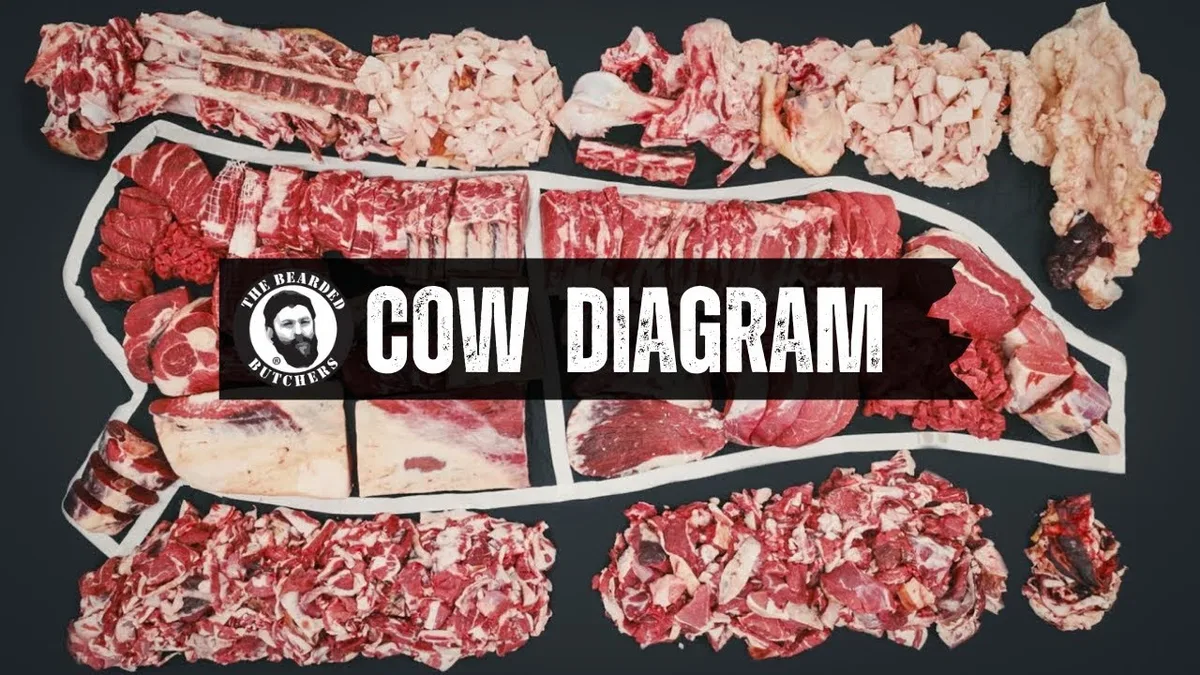
Not every steak works well in an air fryer. Some cuts are perfect. Others will leave you disappointed.
Here is the breakdown based on what works and what does not.
The best cuts are 1 to 1.5 inches thick with good marbling. Ribeye is the top performer. The fat renders during cooking and keeps the meat moist. New York strip is excellent, too.
It has a bold, beefy flavor and a moderate fat cap. Filet mignon works, but it needs careful timing. It is lean and overcooks fast.
Good options that require a little more attention. Sirloin is a solid budget choice. It is leaner than ribeye, so you need to pull it at the right temperature. Flank steak and skirt steak can work if you slice them thin and cook quickly.
They benefit from a marinade and should be sliced against the grain after resting.
Cuts to avoid. Bone-in steaks are tricky. The bone conducts heat differently, and the thickness is uneven. A bone in ribeye can cook unevenly in an air fryer.
Very thin steaks under half an inch will overcook before they develop any crust. Extremely thick steaks over two inches are hard to cook through without drying out the exterior.
The thickness sweet spot is 1 to 1.5 inches. This size allows the exterior to brown before the center overshoots your target temperature. If your steak is thicker than 1.5 inches, you may want to use a reverse sear method. Start it in the air fryer at a lower temperature, like 250°F, until the center hits about 115°F.
Then crank it to 400°F for a quick finish.
For a quick reference on kitchen appliance care, you may find our general site policies useful.
The Science of Air Fryer Steak: Heat, Crust, and Carryover Cooking
Understanding what happens inside that little basket helps you make better decisions. Let us break it down simply.
Heat transfer in an air fryer happens fast on the surface. The moving air strips away the cool boundary layer that normally forms around food. That is why an air fryer cooks faster than a conventional oven. The surface temperature rises quickly.
That is good for browning.
But the interior heats more slowly. Heat travels from the outside inward at a rate determined by the meat’s density and thickness. A 1-inch thick steak takes about 12 minutes total at 400°F to reach medium rare. The center temperature lags behind the surface.
That is why flipping halfway through is important. It balances the cooking.
The crust forms through the Maillard reaction. This is a chemical reaction between amino acids and reducing sugars. It starts above about 285°F. The surface of the steak needs to be dry and hot for this to happen.
In an air fryer, the dry circulating air helps. But the temperature is lower than a pan. So the crust will be thinner and less crunchy.
Carryover cooking is a physics problem, not a suggestion. The heat at the surface continues to migrate inward after you remove the steak. The larger the temperature difference between the surface and the center, the more carryover you get. A steak cooked at 400°F will have a significant temperature gradient.
Pulling it early accounts for this.
Resting is not optional. USDA research confirms that resting allows the juices to redistribute. Cut too early and the juices run out onto the cutting board. You lose moisture and flavor.
Five minutes is the minimum. Ten minutes is better for thicker steaks.
Step-by-Step: How to Cook Steak in an Air Fryer
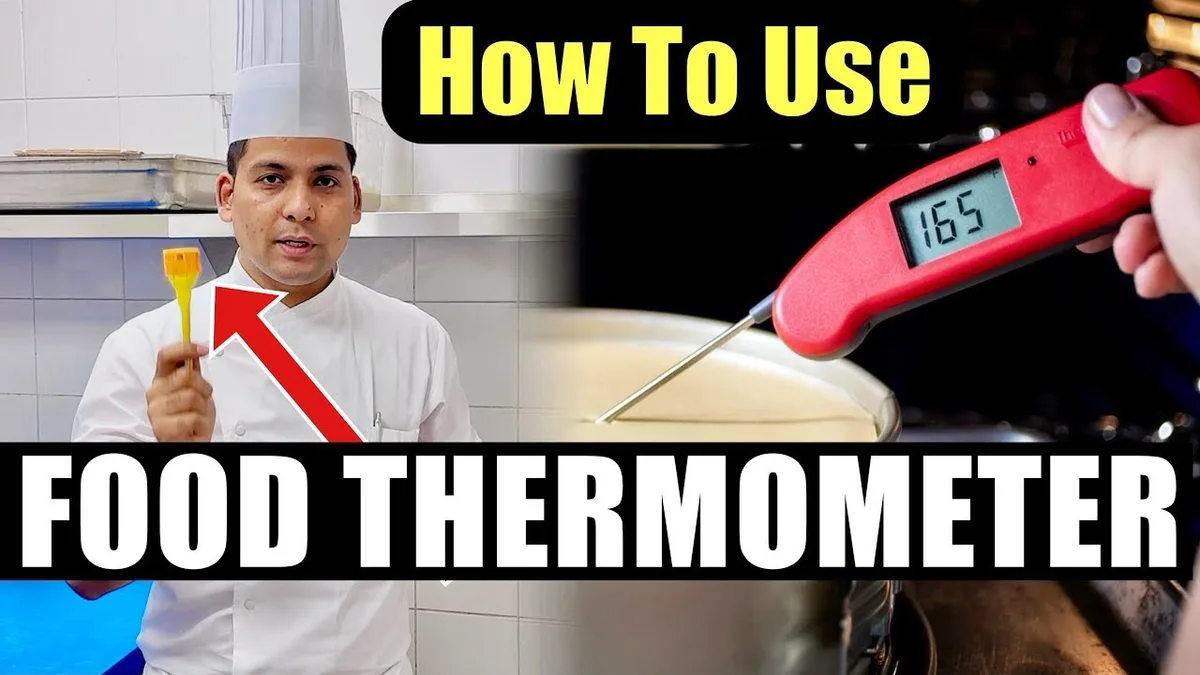
Follow these steps exactly, and you will get a reliably good result. Deviate at your own risk.
Step 1: Take the steak out of the fridge 20 minutes before cooking
Cold steak cooks unevenly. Let it come closer to room temperature. 20 minutes is enough. Do not leave it out longer than an hour for food safety reasons.
Step 2: Pat the steak bone dry with paper towels
This is the most important prep step. Use multiple paper towels. Press firmly.
You want zero surface moisture. A dry surface browns. A wet surface steams.
Step 3: Season generously with salt
Use kosher salt or sea salt. Apply it from about 6 inches above the steak so it distributes evenly. Use about half a teaspoon per side for a typical 8-ounce steak.
Add black pepper after cooking. Pepper burns at high temperatures and can turn bitter.
Step 4: Lightly coat the steak with high-smoke-point oil
Avocado oil or grapeseed oil works best. Use just enough to film the surface. Too much oil creates smoke.
Too little oil prevents browning. Rub it in with your fingers.
Step 5: Preheat the air fryer to 400°F for 3 to 5 minutes
Do not skip this. A cold start wastes time and produces uneven results. Let the basket get hot before the steak goes in.
Step 6: Place the steak in a single layer in the basket
Do not crowd the basket. The steak needs space for air to circulate. If you are cooking multiple steaks, cook them in batches.
Overcrowding drops the temperature and steams the meat.
Step 7: Cook for 5 to 7 minutes per side
For a 1-inch steak, start with 5 minutes on the first side. Flip using tongs. Cook another 5 minutes on the second side.
For a 1.5-inch steak, go to 7 minutes per side. These are starting points. Your actual time depends on your specific air fryer.
Step 8: Check internal temperature with a digital thermometer
Insert the probe into the thickest part of the steak from the side. Avoid hitting bone. Aim for the center.
Pull the steak at 5°F below your target temperature to account for carryover.
Step 9: Rest the steak for 5 to 10 minutes
Place the steak on a cutting board or a wire rack. Do not cover it tightly with foil. That traps steam and ruins the crust.
Let it rest uncovered.
Step 10: Slice against the grain and serve
Find the direction of the muscle fibers. Cut perpendicular to them. This shortens the fibers and makes each bite more tender.
Add flaky salt and fresh pepper at the table.
For details on our editorial approach and standards, you can review our about page.
The Doneness Guide: Internal Temps and What to Look For
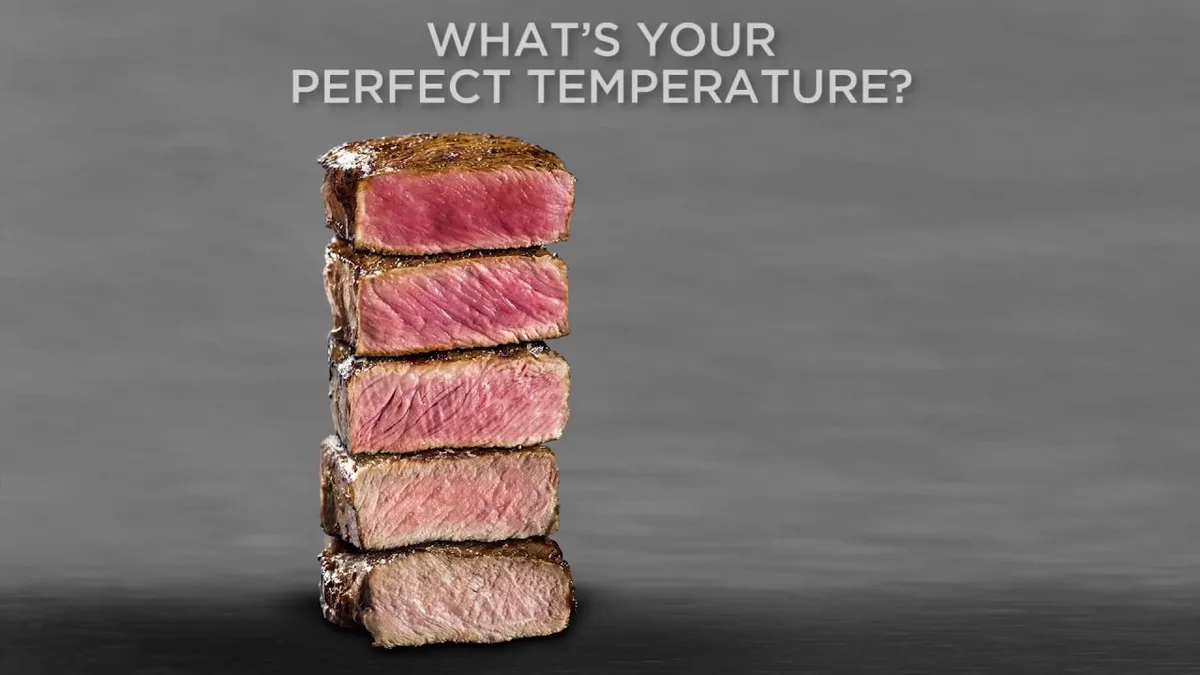
Pulling the steak at the right internal temperature is the single most important skill. Here is the USDA-recommended range and the chef’s preferred range.
Rare (125°F pull, 130°F after rest). Cool red center. Soft to the touch. Best for lean cuts like filet mignon.
Medium rare (130°F pull, 135°F after rest). Warm red center. The most recommended target. Juicy and tender.
Works for ribeye, strip, and sirloin.
Medium (140°F pull, 145°F after rest). Pink center with a light brown ring. Firmer texture. Good for people who want some pink but not too much.
Medium well (150°F pull, 155°F after rest). Slight pink in the very center. Mostly brown. Starts to dry out.
Well done (160°F+ pull, 165°F+ after rest). No pink. Fully browned throughout. Dry.
Not recommended for air fryer cooking.
Our recommendation. Pull the steak at 125°F to 130°F for the best results. Rest it for 5 minutes. The carryover will bring it to 130°F to 135°F.
That is textbook medium rare.
Always use a digital instant-read thermometer. Do not guess based on time or touch. ASM and NSF food safety guidelines endorse this approach. Insert the probe from the side into the thickest part.
Avoid touching the bone.
Common Mistakes That Ruin Air Fryer Steak (and How to Fix Them)
Mistake 1: Not patting the steak dry. This is the biggest offender. Surface moisture creates steam. Steam prevents browning.
You get a gray, soggy exterior instead of a crust. Fix: Use multiple paper towels and press firmly. Let the steak air dry for a few minutes if you have time.
Mistake 2: Skipping the preheat. A cold air fryer takes longer to come to temperature. The steak sits in a lukewarm environment. It starts cooking slowly and unevenly.
Fix: preheat for 3 to 5 minutes at 400°F before adding the steak.
Mistake 3: Overcrowding the basket. When steaks touch, air cannot circulate. The temperature drops. The steaks steam instead of searing.
Fix: Cook one steak at a time for a 1-inch cut. If your basket is larger, leave at least one inch of space around each steak.
Mistake 4: Using too much oil. Excess oil drips into the bottom of the basket. It smokes at high temperatures. It also makes the steak greasy instead of crispy.
Fix: Use a light coating. Rub a small amount of oil onto the steak with your fingers. Do not pour oil into the basket.
Mistake 5: Cutting into the steak too early. You check doneness by cutting a slit. The juices flood out. The steak loses moisture.
Fix: Use a thermometer. Never cut until after resting.
Mistake 6: Forgetting carryover cooking. You pull the steak at your target temperature. It continues to climb. By the time you eat it, it is overdone.
Fix: pull 5°F early. Let the steak rest.
Mistake 7: Cooking a cold steak straight from the fridge. The outside cooks before the center thaws. You end up with a burnt exterior and a raw interior. Fix: Let the steak sit at room temperature for 20 minutes before cooking.
Cooking from Frozen: Yes, You Can — Here’s How
It works, but you need to adjust. Cooking a frozen steak in an air fryer is possible. It is not ideal, but it is convenient. The USDA confirms that cooking frozen beef is safe as long as you reach the proper internal temperature.
The process is different. Do not thaw the steak first. Season it while frozen. Salt will not stick well.
Use a dry rub or a light oil spray before seasoning.
Cook at a lower temperature first. Set the air fryer to 300°F. Cook for 10 to 12 minutes. This thaws the interior without burning the exterior.
Then increase to 400°F for the final 4 to 6 minutes per side.
Expect a longer total time. A 1-inch frozen steak takes about 18 to 22 minutes total. That is almost double the fresh time. The crust will be thinner.
The interior may be slightly less tender.
Use a thermometer. Frozen steaks cook unevenly. The center may still be frozen while the outside looks done. Check the internal temperature in multiple spots.
Do not serve until the center reaches at least 130°F for medium rare.
Thin frozen steaks are risky. Anything under half an inch will overcook before the center thaws. Stick to 1-inch thick cuts for frozen cooking.
When the Air Fryer Isn’t the Best Choice (and What to Use Instead)
The air fryer excels for quick weeknight steaks. But it has limits. Here is when you should choose a different method.
When you want a deep, crunchy crust. A cast-iron skillet reaches 500°F or higher. That creates a much thicker crust. If texture is your top priority, use a pan.
When you need a heavy sear for reverse sear. Thick steaks over 1.5 inches benefit from reverse searing. You cook them low and slow first, then sear hard. The air fryer can handle the low part, but the high-heat sear is better in a pan or on a grill.
When cooking for a crowd. Most air fryer baskets fit one or two steaks. Cooking four steaks means four batches. That is slow.
Use a grill or a large skillet instead.
When you want a smoky flavor. The air fryer adds no smoke or charcoal flavor. If you want that outdoor taste, use a grill or a smoker.
When the steak has a bone. Bone-in steaks cook unevenly in the air fryer. The bone conducts heat differently. Stick to boneless cuts for air frying.
The alternative tools worth considering. Cast iron skillet. Grill (gas or charcoal). Sous vide followed by a hot sear.
Oven broiler. Each has strengths. Choose based on what matters most to you that day.
Expert Tips for a Better Crust, Juicier Center, and Less Smoke
Dry brine overnight. Season the steak with salt and leave it uncovered in the fridge for 8 to 24 hours. The salt draws out moisture, then reabsorbs it. The surface dries out completely.
This produces a noticeably better crust.
Use a wire rack inside the basket. Some air fryers come with a rack insert. If yours does not, buy one. It lifts the steak off the bottom.
Air circulates underneath. The crust forms on both sides.
Flip only once. Resist the urge to flip multiple times. Each flip cools the surface and slows browning. Flip once at the halfway point.
Let the other side develop undisturbed.
Add butter at the end. After you pull the steak, place a pat of butter on top. The residual heat melts it. The butter adds richness and helps carry flavor.
Do not add butter during cooking. It burns at 400°F.
Let the steak rest on a wire rack. Resting on a flat surface traps steam underneath. The bottom of the crust softens. A wire rack lets air circulate.
The crust stays crisp.
Clean the basket between batches. If cooking multiple steaks, wipe out the basket between batches. Leftover fat and drippings can burn and create smoke. A quick wipe with a paper towel prevents this.
Adjust for your specific air fryer model. Each model runs differently. Keep notes on your first attempt. Write down the time and temperature that worked.
Use that as your baseline for next time.
Safety and Food Handling: What You Actually Need to Worry About
The biggest risk is undercooking. Use a digital thermometer to confirm the center reaches at least 130°F for medium rare. The USDA recommends 145°F with a three-minute rest for ground beef, but whole steaks are safe at lower temps if handled properly.
Wash your hands and surfaces after touching raw meat. Do not reuse the plate that held the raw steak. Let the air fryer cool before cleaning the basket to avoid burns.
The Quick Reference Cheat Sheet: Times and Temps at a Glance
| Steak Thickness | Cook Time Per Side at 400°F | Pull Temp | Final Doneness |
|---|---|---|---|
| 1 inch | 5 minutes | 125°F | Medium rare |
| 1.5 inches | 7 minutes | 125°F | Medium rare |
| 2 inches | 9 minutes | 125°F | Medium rare |
Adjust down by 1 minute per side for medium. Add 1 minute per side for frozen steaks.
Frequently Asked Questions
Can I use butter instead of oil?
Butter burns at 400°F. Use oil for cooking and add butter after resting for flavor.
Do I need to flip the steak?
Yes. Flip once halfway through for even cooking and browning.
Why is my steak tough in the air fryer?
Overcooking or cutting with the grain are the usual causes. Use a thermometer and slice against the grain.
Can I cook multiple steaks at once?
Only if they fit in a single layer with space between them. Overcrowding causes steaming.
How do I get a better crust?
Pat the steak very dry. Dry brine overnight. Use a wire rack in the basket.
Preheat fully.
Final Take: Is Air Fryer Steak Worth It?
Yes, for convenience and speed. It will not match a cast-iron sear or a grill’s smoky flavor. But for a fast, reliable weeknight dinner with minimal cleanup, the air fryer delivers.
Master the prep and temperature control, and you will consistently get a steak worth eating.