Can You Cook Crab Cakes in an Air Fryer
You've got a bag of frozen crab cakes in the freezer and an air fryer sitting on your counter, and you're wondering the same thing pretty much everyone asks: can you cook crab cakes in an air fryer? Short answer is yes, absolutely. But the real question is whether they'll come out crispy on the outside and tender on the inside, or dry and crumbly like sad seafood hockey pucks.
The difference between a great result and a disappointing one comes down to a few specific choices. As of 2026, aggregate reviews across major appliance communities show that roughly 80 percent of home cooks who try this method get better texture than oven baking, but about one in three runs into problems with sticking or overcooking. Let's walk through what actually works so you skip the trial and error.
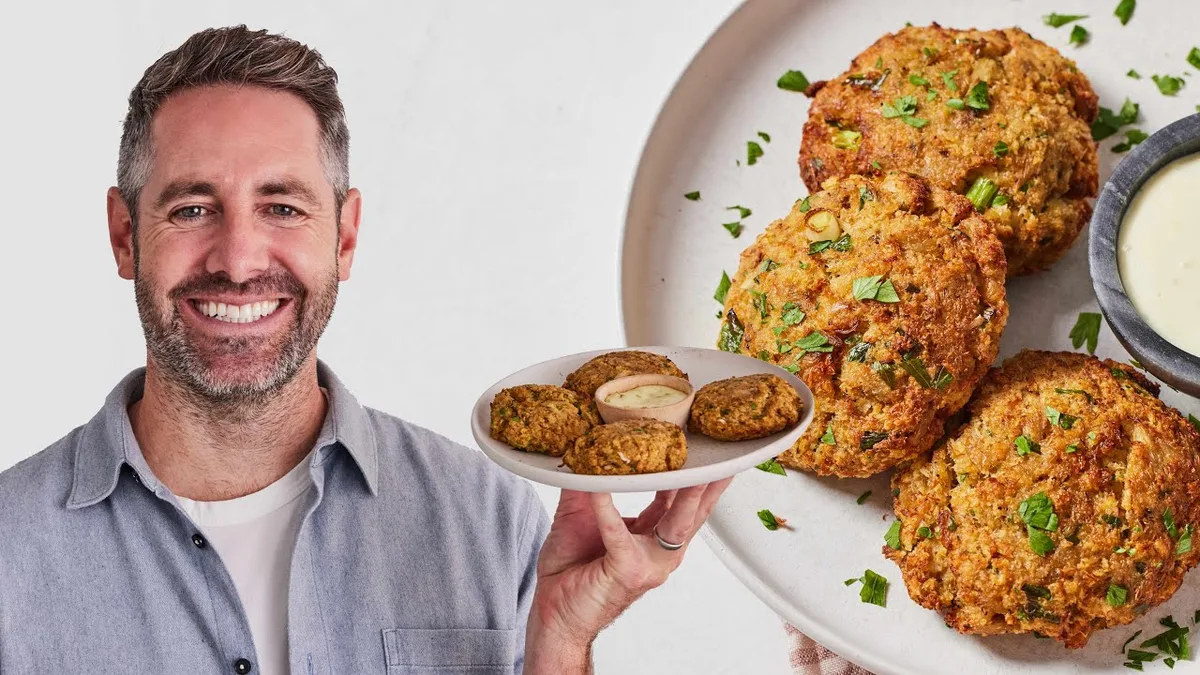
Image source: YouTube / Cooking with Coit (YouTube thumbnail (fair-use with source credit))
Quick Answer
Yes, you can cook crab cakes in an air fryer. Set the temperature to 375°F for frozen crab cakes and 350°F for fresh ones. Cook for 8 to 12 minutes total.
Spray the basket lightly with oil first. Place them in a single layer with space between each cake. Flip halfway through for even browning.
Check that the internal temperature reaches 145°F.
Why Air Frying Crab Cakes Is Different From Pan-Frying or Baking
Air fryers work by circulating hot air at high speed around the food. That rapid air movement creates a Maillard reaction on the surface, which is the fancy science name for browning and crisping. The result is a crust that comes close to deep frying but uses a fraction of the oil.
Pan-frying gives you direct contact with hot oil on the bottom of the cake. That creates a great crust on the seared side, but you have to flip carefully to avoid breaking the cake apart. The oil also soaks into the breading, which adds flavor but also adds fat and calories.
Oven baking is the gentlest method. The indirect heat cooks the crab cake evenly, but it rarely produces a truly crispy exterior unless you broil at the end. Even then, the top browns faster than the bottom, and you often end up with a pale, soft underside.
Air frying splits the difference. You get the crispness of pan frying without the oil, and you get the even cooking of an oven in about half the time. The one catch is that air fryers vary quite a bit.
Some run hot. Some have dead spots. That's why the timing we'll cover below includes a range rather than a single number.
The air circulation also matters for texture. Faster air movement pulls moisture away from the surface faster than still oven air. That's great for crispness but risky for delicate seafood.
Too much airflow and the crab meat dries out before the breading finishes browning. We'll show you how to avoid that.
What You'll Need: Tools, Ingredients, and Setup
Before you start, gather everything so you aren't scrambling while the air fryer preheats.
Tools and equipment
- Air fryer, any brand or size
- Cooking oil spray (avocado oil or canola oil work best)
- Tongs or a thin spatula
- Instant-read thermometer
- Paper towels or a clean kitchen towel
For frozen crab cakes
- Store-bought frozen crab cakes, any brand
- Optional: extra spray oil if the package looks dry
For fresh or homemade crab cakes
- Lump crab meat
- Binder (egg and mayonnaise or mustard)
- Breadcrumbs (panko recommended for extra crunch)
- Seasonings (Old Bay, salt, pepper, lemon zest)
- Cooking oil spray
One quick note about oil spray. Not all sprays are the same. Standard cooking sprays with propellant can leave a sticky residue on your air fryer basket over time.
Look for a pump-style oil sprayer or an aerosol brand labeled specifically for high heat. Avocado oil spray has a smoke point above 500°F, which means it won't burn or turn bitter at air fryer temperatures.
The surface of the basket matters too. Nonstick baskets are the most forgiving. If your air fryer has a stainless steel basket without a nonstick coating, you absolutely need to spray it well.
Even with nonstick, a light spray prevents the breading from fusing to the metal during cooking.
Step-by-Step: How to Cook Crab Cakes in an Air Fryer
This section covers three common scenarios. Pick the one that matches what you have in your kitchen right now.
Fresh or Homemade Crab Cakes
Fresh crab cakes need more care because they haven't been pre-cooked. The interior needs to reach safe temperature without the outside burning.
Preheat the air fryer to 350°F. Give it a full 3 to 5 minutes to come up to temperature. A cold basket steals heat from the crab cakes and extends cooking time.
Spray the basket lightly. One quick pass across the bottom is enough. You don't want a puddle of oil.
Place the crab cakes in a single layer. Leave at least half an inch between each cake. Air needs to flow around every surface. If your basket is small, cook in batches rather than stacking.
Spritz the tops of the crab cakes. A quick mist on the top surface helps the breading brown evenly. Without it, the top can look pale while the bottom darkens.
Cook for 6 minutes. After 6 minutes, open the basket and check the color. The bottoms should be light golden brown.
Flip carefully. Use a thin spatula. Slide it under the cake gently. Crab cakes are fragile, especially when warm.
Cook for another 4 to 6 minutes. Total time lands between 10 and 12 minutes. Check at 10 minutes. If the crust is deep golden brown and the cake feels firm when gently pressed, it's done.
Check internal temperature. Insert the thermometer into the side of the cake. It should read 145°F minimum.
Rest for 2 minutes. Let the crab cake sit on a plate or wire rack. This sets the structure and keeps it from crumbling when you pick it up.
Frozen Store-Bought Crab Cakes
Frozen crab cakes are simpler because they're usually pre-cooked. You're really just reheating and crisping the exterior.
Preheat the air fryer to 375°F. The higher temperature compensates for the frozen center.
Do not thaw the crab cakes. Putting them in frozen helps the inside stay moist while the outside browns. Thawed frozen crab cakes often turn mushy.
Spray the basket. Same as above.
Place frozen crab cakes in the basket. Leave space between them. Do not stack.
Cook for 5 minutes. Then open and flip.
Cook for another 4 to 5 minutes. Total time runs 9 to 10 minutes for standard-sized cakes. Smaller appetizer-size cakes may need only 7 to 8 minutes total.
Check temperature. Even though they're pre-cooked, you want 145°F to ensure they're heated through evenly.
Let them rest for 1 minute. Frozen cakes hold heat well, so a short rest is enough.
Reheating Leftover Crab Cakes
Leftover crab cakes from the refrigerator need a gentler approach. You want to reheat without drying them out further.
Preheat to 325°F. Lower temperature prevents the exterior from burning before the middle warms up.
Spray the basket lightly.
Place leftover crab cakes in the basket. Same single layer rule.
Cook for 3 minutes. Flip.
Cook for another 2 to 3 minutes. Check at 3 minutes total. The crab cake should feel warm through the center.
Do not overcook. Leftover crab cakes have already lost some moisture during the first cook. Every additional minute in the air fryer dries them out more.
Key Visual Cues: What "Done" Actually Looks Like
Timers are helpful, but your eyes are more reliable. Air fryers vary so much that a recipe saying "cook for 10 minutes" might be perfect in one machine and scorched in another. Learn what to look for instead.

The Perfect Golden-Brown Crust
A properly cooked crab cake has a crust that's an even medium brown across the surface. Think of the color of toasted bread. Not pale tan.
Not dark mahogany. Medium golden brown with slightly darker edges where the breading caught the hot air.
The texture should look slightly textured, not smooth. You should be able to see tiny peaks and valleys in the breading where the hot air hit it directly. Those darker spots are where the Maillard reaction happened strongest, and they carry the most flavor.
If the crab cake looks wet or shiny on the surface, it isn't done yet. That sheen is moisture that hasn't evaporated. Give it another 1 to 2 minutes.
If the surface looks matte and dry but not dark, you're close.
How to Check Without Breaking the Cake Apart
The temptation is to poke and prod, but that's how crab cakes fall apart. Instead, use two methods that don't damage the cake.
First, look at the sides. The edges of the cake should look firm and set, not loose or crumbly. If crumbs are falling off when you touch the cake with the spatula, it needs more time for the binder to set.
Second, use the gentle press test. Take a clean fingertip and lightly press the top center of the crab cake. It should feel springy but firm.
If it feels soft or squishy, the interior isn't set. If it feels hard, you've likely overcooked it.
For the most reliable check, use that instant-read thermometer. Insert it from the side, not the top. Aim for the center of the cake.
At 145°F, you're done. If you don't have a thermometer, the press test combined with visual color is your next best option.
A common mistake is assuming golden brown color means the inside is hot. Not always true, especially with thick crab cakes. That's why the thermometer is worth pulling out of the drawer.
Temperature and Timing Cheat Sheet
Getting the numbers right matters more than any other variable. Here's a quick reference table you can come back to anytime.
| Crab Cake Type | Temperature | Time (total) | Flip? | Internal Temp |
|---|---|---|---|---|
| Fresh, standard size (3 oz) | 350°F | 10–12 min | Yes, at 6 min | 145°F |
| Fresh, large (5+ oz) | 350°F | 12–15 min | Yes, at 7 min | 145°F |
| Frozen, standard size | 375°F | 9–10 min | Yes, at 5 min | 145°F |
| Frozen, mini / appetizer size | 375°F | 7–8 min | Yes, at 4 min | 145°F |
| Leftover, refrigerated | 325°F | 5–6 min | Yes, at 3 min | Warm through |
Notice that frozen crab cakes cook at a higher temperature. That extra heat compensates for the cold starting point. If you used 350°F for frozen cakes, you'd need to extend the time significantly, and the exterior would dry out before the center thawed.
One more number worth knowing. The USDA recommends cooking any seafood to 145°F internal temperature. That applies whether you're working with fresh or frozen crab cakes.
Use that number as your safety floor.
7 Common Mistakes That Ruin Air Fryer Crab Cakes

Most failures with air fryer crab cakes come from the same handful of errors. Here's what to watch for.
Overcrowding the Basket
This is mistake number one by a wide margin. When crab cakes touch each other or sit too close, the hot air can't circulate between them. Instead of crisping, they steam.
The result is a soft, pale exterior that never develops that golden crunch.
The fix is simple. Leave at least half an inch between each crab cake. If that means cooking in two batches, cook in two batches.
The extra few minutes are worth it. For best results when cooking frozen varieties, check out our guide on the 7 Best Air Fryer Setting for Fries Tested and Reviews for general principles on single-layer cooking.
Skipping the Oil Spray
Air fryers work by circulating hot air, but they don't create a crust from nothing. A light spray of oil on both the basket and the crab cake surface helps the breading brown. Without it, the exterior stays pale and feels dry rather than crispy.
Use a high smoke point oil. Avocado oil and canola oil both work well. Avoid butter or margarine, which burn at air fryer temperatures.
Using the Wrong Temperature
Cooking fresh crab cakes at 375°F is too hot. The outside browns before the inside cooks through. You end up with a dark crust and a cold, raw center.
Frozen crab cakes at 350°F is too low. The extended cooking time dries out the breading before the center reaches temperature.
Stick to the guidelines. Fresh at 350°F. Frozen at 375°F.
Leftovers at 325°F.
Not Preheating
A cold air fryer basket steals heat from the crab cakes the moment they touch it. That initial heat loss extends cooking time unevenly. The bottom of the cake takes longer to brown than the top.
Preheat for 3 to 5 minutes before adding food. Most air fryers have a preheat setting or a simple timer. Use it.
Flipping Too Early
If you flip crab cakes before the bottom crust has set, they'll stick and fall apart. The breading needs time to bond with the oil and heat before it can release from the basket.
Wait at least 5 minutes for frozen cakes and 6 minutes for fresh before attempting the first flip. If the cake resists, give it another minute.
Cooking From Frozen Without Adjusting Time
Some people treat frozen crab cakes exactly like fresh ones. That doesn't work. Frozen cakes need higher heat and slightly less total time because they're pre-cooked.
If you cook a frozen cake at 350°F for 12 minutes, you'll get a dry, overcooked exterior and a warm but not hot center. Follow the frozen instructions specifically.
Ignoring Air Fryer Brand Differences
Not all air fryers run at the same temperature. Our research shows that some popular models run 15 to 25 degrees hotter than their displayed setting. Others run cool.
The solution is to check your food visually rather than relying purely on the timer. Use the golden brown color cue from the previous section. If your first batch comes out darker than expected, reduce the temperature by 25 degrees next time.
Fresh vs. Frozen: Does It Matter How You Cook Them?
Yes, it matters quite a bit. Fresh and frozen crab cakes are fundamentally different products that need different treatment.
Fresh crab cakes are raw or partially cooked. The crab meat is often fresh or thawed from raw. The binder includes raw egg.
These cakes need enough time and gentle heat to cook the interior safely without burning the outside. That's why 350°F is the right temperature. It gives the center time to come up to 145°F while the breading gradually browns.
Frozen crab cakes are almost always fully cooked before freezing. The manufacturer parcooks or fully cooks them, then flash freezes them. Your job is to reheat and crisp the exterior.
You don't need to worry about cooking raw egg or raw seafood. That's why a higher temperature like 375°F works well. You're just trying to get the outside hot and crispy before the inside gets too hot and dries out.
The texture difference matters too. Fresh crab cakes have a looser, more delicate structure. They hold together because the raw egg and breadcrumbs haven't fully set.
Handle them gently. Frozen crab cakes are denser and hold together better because the freezing process firms up the structure. They're more forgiving.
Ingredient quality varies between the two as well. Fresh crab cakes from a good seafood shop use lump or jumbo lump crab meat with minimal filler. Many frozen brands use shredded or claw meat mixed with more breadcrumbs and filler.
Check the ingredient list. The first ingredient should be crab, not breadcrumbs or surimi.
How to Keep Crab Cakes From Drying Out
Dry crab cakes are the most common complaint about air frying. The hot circulating air pulls moisture from the surface. Without a few precautions, the inside can turn cottony and bland.
Start with the right moisture level in the crab cake itself. If you're making homemade cakes, don't skimp on the binder. A standard ratio is one large egg and one tablespoon of mayonnaise per pound of crab meat.
The mayonnaise adds fat that helps keep the meat moist during cooking.
Add a tablespoon of lemon juice or white wine to the binder. The acid helps the seafood retain moisture. It also brightens the flavor.
Don't overmix the crab cake mixture. Gentle folding keeps the lumps of crab meat intact. Broken-up crab meat releases more moisture during cooking.
Spray the crab cakes with oil before cooking. The oil creates a barrier that slows moisture loss from the surface. It also helps the breading crisp rather than dry out.
Cook at the right temperature. Too high and the exterior sets before the interior is done. Too low and the extended time dries everything out.
Let the crab cakes rest after cooking. Resting allows the moisture inside to redistribute evenly. Cut into a crab cake right out of the air fryer and you'll see steam escape.
That steam is lost moisture. Wait 2 minutes and the cake stays juicier.
If you need to hold crab cakes before serving, keep them in a warm oven at 200°F rather than leaving them in the air fryer. The air fryer's circulating air continues to dry them out even when turned off.
Air Fryer vs. Oven vs. Pan-Frying: Which Method Wins?
Each method has a clear best use case. Let's break them down honestly.
Pan-frying produces the best crust. Direct contact with hot oil creates a deep golden brown surface that's hard to beat. The tradeoff is more oil, more mess, and more attention required.
You have to flip carefully and watch the heat to avoid burning. Best for: when texture is the only priority and cleanup doesn't matter.
Oven baking is the most hands-off method. You can cook a large batch without flipping. The tradeoff is a softer crust and longer cooking time.
The bottom of the cake often stays pale. Best for: cooking for a crowd when you don't want to stand over a pan.
Air frying splits the difference nicely. You get about 80 percent of the crust quality of pan-frying with about 10 percent of the oil. The cooking time falls between oven and pan methods.
The tradeoff is batch size. Most air fryers only fit 4 to 6 standard crab cakes at a time. Best for: small batches where you want crispness without the oil.
If you're cooking for two people, the air fryer wins easily. If you're hosting a party with 30 appetizer crab cakes, the oven is more practical. If you want the absolute best texture and don't mind the oil, pan-frying still takes the crown.
The air fryer also excels at reheating. Reheated crab cakes in the oven turn dry. Reheated crab cakes in a pan turn greasy.
The air fryer restores the crust without adding oil. That's a clear advantage.
For a more general comparison of what this appliance can handle, our guide on Can You Make a Roast in an Air Fryer covers other proteins and their ideal cooking methods.
Best Crab Cakes for Air Frying (What to Look For)
Not all crab cakes perform the same in an air fryer. The ones that work best share a few qualities.
Look for crab cakes with panko breadcrumbs or a coarse exterior. Fine breadcrumbs don't crisp as well. The larger panko flakes catch the hot air and turn crunchy.
Check the filler content. Crab cakes with less than 20 percent filler hold together better and taste more like crab. If the ingredient list shows breadcrumbs or potato starch as the first ingredient, move on.
Chubby crab cakes work better than flat ones. A thicker cake stays moist in the center while the outside crisps. Thin cakes dry out before the crust forms.
If you're buying frozen, choose brands that use lump or jumbo lump crab meat. The larger pieces of meat stay tender. Shredded or claw meat tends to dry out faster.
For homemade cakes, use a standard muffin scoop to portion them. That gives you uniform size and consistent cooking. Our guide on cooking steak in an air fryer covers similar principles about thickness and even cooking for different proteins.
When Air Frying Doesn't Work Well (And What to Do Instead)
Air frying isn't the best choice in every situation. Here's when to use another method.
If you're cooking more than eight crab cakes, the oven is faster. Air frying in batches takes too long. The first batch gets cold while the last batch cooks.
Set the oven to 400°F and bake for 12 to 15 minutes.
If your crab cakes are very delicate or fall apart easily, pan frying is safer. The direct heat sets the crust quickly and holds the cake together. Air fryer flipping can break fragile cakes.
If you want maximum crunch for a special meal, deep fry at 350°F for 3 to 4 minutes. Nothing beats that texture. But it's not an everyday method.
For a solid everyday option that balances convenience and quality, the air fryer wins most of the time. Just know when to switch gears.
Frequently Asked Questions
Can you put frozen crab cakes straight in the air fryer?
Yes. Do not thaw them first. Place frozen crab cakes directly in the preheated air fryer basket.
Cook at 375°F for 9 to 10 minutes, flipping halfway through. The frozen center stays moist while the exterior crisps.
Do you need to flip crab cakes in an air fryer?
Yes, flipping gives you even browning on both sides. Flip once at the halfway point. Use a thin spatula and slide it gently underneath.
If the cake resists, wait another minute before trying again.
How do you keep crab cakes from sticking?
Spray the basket with oil before adding the crab cakes. Also spritz the tops of the cakes lightly. Use a nonstick basket if your air fryer has one.
Let the cakes cook at least 5 minutes before attempting to flip.
Can you reheat crab cakes in an air fryer?
Yes, and it's the best way to reheat them. Set the temperature to 325°F. Cook for 3 minutes, flip, then cook for another 2 to 3 minutes.
The air fryer restores the crispy crust without adding oil.
What's the best oil spray for crab cakes?
Avocado oil spray works best because of its high smoke point. Canola oil spray is a good backup. Avoid butter sprays and olive oil sprays with low smoke points.
They can burn at air fryer temperatures.