Tutorial: How to Clean Air Fryer Basket
After a few rounds of cooking, that air fryer basket starts looking rough. Grease builds up in the mesh holes, bits of breading get baked onto the non-stick surface, and suddenly your crispy fries come with a side of burnt flavor you didn't ask for. If you're wondering how to clean air fryer basket without wrecking the coating, you're not alone.
It's the number one frustration people have with these machines, and honestly, most cleaning advice out there is either too aggressive or not thorough enough.
Manufacturer specifications across the top brands as of 2026 all agree on one thing: the non-stick coating is the most delicate part of your air fryer. Scratch it with the wrong tool, and you've permanently lost that easy-release surface. Aggregate reviews from thousands of users report that the basket is the first component to show wear, and improper cleaning is almost always the cause.
Let's walk through exactly what works and what doesn't.
Quick Answer
Clean your air fryer basket after every use. Let it cool completely first. Hand wash with warm water, mild dish soap, and a soft sponge.
Soak stuck-on food for 10 to 15 minutes before scrubbing. Never use metal scrubbers or abrasive pads. Dry thoroughly before putting it back.
That's the short version. Keep reading for the full breakdown.
Why This Cleaning Method Matters More Than You Think
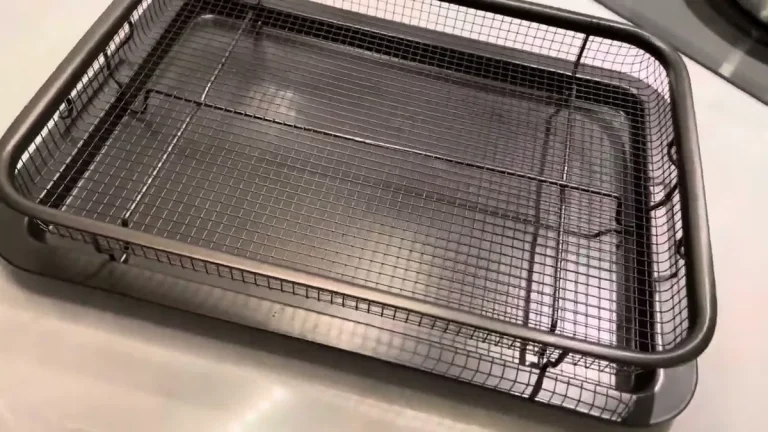
Your air fryer basket does a lot more than just hold food. It's responsible for directing hot air evenly across every surface of your meal. When the mesh holes get clogged with old grease or burnt crumbs, that airflow gets disrupted.
You end up with uneven cooking, longer cook times, and food that's crispy on one side and soggy on the other.
There's also a safety angle worth mentioning. Built-up grease inside the basket can start smoking when you preheat the air fryer. That's not just unpleasant.
It's a fire hazard waiting to happen. The USDA recommends keeping all cooking appliances free of grease buildup, and air fryers are no exception.
And then there's the taste issue. Old food particles that stay stuck in the basket will burn during your next cook. That burnt flavor transfers directly to whatever you're making.
It's why some people complain their air fryer food tastes "off" even when they're using fresh ingredients. A clean basket solves that problem immediately.
What You'll Need: Tools and Supplies
You don't need fancy products to get your basket clean. In fact, the simpler your approach, the better. Here's what works best according to manufacturer guidelines and verified user experience.
| Tool / Supply | Purpose | Why It Matters |
|---|---|---|
| Soft sponge (non-scratch) | Daily cleaning | Won't damage non-stick coating |
| Mild dish soap | Breaking down grease | Effective without harsh chemicals |
| Baking soda | Stubborn stuck-on food | Gently abrasive, safe for coating |
| White vinegar | Odor removal | Neutralizes lingering smells |
| Bottle brush or soft toothbrush | Cleaning mesh holes | Reaches where sponges can't |
| Microfiber cloth | Drying | Lint-free, prevents water spots |
| Warm water | Soaking and rinsing | Loosens food without warping metal |
Avoid steel wool, metal scrubbers, stiff bristle brushes, and any cleaner marked "abrasive." These will scratch the non-stick surface. Once that coating is damaged, food starts sticking more, which creates a vicious cycle of harder scrubbing and more damage.
Step 1: Let It Cool (Seriously)
This seems obvious, but it's where most people rush. You finish cooking, you want to eat, and you figure you'll soak the basket while dinner's on your plate. The problem is thermal shock.
Dropping a hot non-stick basket into cold water can warp the metal and crack the coating.
Wait until the basket is cool enough to handle comfortably. That usually takes 10 to 15 minutes after cooking. If you're in a hurry, run the empty basket under warm tap water from the outside first to bring the temperature down gradually.
Never go from hot to cold in one splash.
A cooled basket also makes cleanup easier. Hot grease is liquid and slippery. It just slides around when you try to scrub.
Once it cools, it firms up and releases from the surface more readily. Let physics do some of the work for you.
Step 2: Dump and Rinse the Loose Stuff
Start by removing the basket from the air fryer drawer if your model allows it. Most baskets detach with a button on the handle. Pop that off and dump any loose crumbs or food bits into the trash.
Give the basket a quick rinse under warm running water. This washes away the loose particles and wets the surface so your soap can work better. You don't need to scrub yet.
Just let the water run over both sides for about 10 to 15 seconds.
Don't pour grease down your sink drain. If there's a noticeable amount of oil in the bottom of the basket, wipe it out with a paper towel first and toss that in the trash. Fats and oils solidify as they cool and will clog your pipes over time.
A quick paper towel wipe saves you a plumbing headache later.
Step 3: The Soak — Hot Water and Dish Soap
This is the step that does most of the heavy lifting. Fill your sink or a large bowl with hot water. Not boiling, but hot enough that you wouldn't want to keep your hand in it for long.
Add a generous squirt of mild dish soap and swish it around to create some suds.
Submerge the basket completely. If it floats, weigh it down with a cup or a small plate. Let it soak for 10 to 15 minutes for a normal amount of residue.
For heavy buildup, especially if you've cooked something sticky like teriyaki chicken or breaded fish, let it sit for 30 minutes.
The hot water and soap work together to break down the bonds between the food particles and the non-stick coating. You'll actually see the residue start to loosen and float away. This is why soaking isn't optional.
It's the difference between wiping clean and scrubbing until your arm hurts.
If you're short on time, fill the basket itself with hot soapy water and let it sit in the sink. That way you're only soaking the component that needs it, not the whole drawer assembly.
Step 4: Scrubbing Without Ruining the Coating
Once the basket has soaked, grab your soft sponge. Run it under warm water to activate the soap residue, then gently scrub in circular motions. Start with the flat surfaces and the walls of the basket.
Those are usually the easiest to clean.
Now for the mesh holes. This is where most people mess up. You can't effectively clean the holes with just a sponge.
The food gets trapped inside them and a sponge just pushes it around. Use a soft-bristled bottle brush or a clean toothbrush dedicated to kitchen use. Insert the brush into each hole from the outside and push through to the inside.
You'll see bits of food come loose as you go.
Be gentle with the non-stick surface. You don't need to press hard. The combination of soaking and the right tool means the food should release with light pressure.
If you find yourself really bearing down, soak it longer next time.
Rinse the basket thoroughly under warm running water after scrubbing. Run your fingers over the surface to check for any remaining grit. If it feels smooth, you're done.
If you catch any rough spots, hit those areas again with the brush.
Step 5: Handling the Stubborn Baked-On Grease
Sometimes soaking and scrubbing aren't enough. That dark, baked-on layer that builds up over time on the bottom of the basket is a different beast. You need something stronger than soap, but still safe for the coating.
Make a paste from baking soda and a tiny splash of water. You want a thick consistency, like toothpaste. Spread it over the stubborn spots and let it sit for 15 to 20 minutes.
The baking soda is mildly abrasive, just enough to lift the grease without scratching the coating.
After the paste has sat, scrub with your damp sponge in small circles. The baked-on layer should start breaking up. Rinse and check your progress.
If there's still residue, repeat the process. Sometimes it takes two or three applications for really old buildup.
For lingering odors, especially after cooking fish or strongly spiced foods, use white vinegar. Wipe the basket with a cloth dampened with undiluted vinegar. Let it sit for 5 minutes, then rinse thoroughly with warm water.
The vinegar neutralizes the odors chemically. Your next batch of fries won't taste like last night's salmon.
Step 6: Rinse, Dry, and Reassemble
Rinse the basket one final time under warm water. Make sure all soap, baking soda, and vinegar residue is gone. Any leftover cleaner can affect the taste of your next meal.
Dry the basket immediately with a microfiber cloth. Don't let it air dry on the rack. Water spots form on non-stick surfaces, and standing water in the mesh holes can lead to mineral buildup over time.
A quick towel dry takes 30 seconds and prevents that.
Reassemble the basket into the drawer only after both parts are completely dry. Putting a damp basket back into the drawer creates a humid environment inside the air fryer. That moisture can lead to mold growth in the heating element area, especially if you don't use the machine for a few days.
Slide the assembled drawer back into the air fryer. Leave it slightly ajar if you won't be using it right away. Air circulation helps keep the interior dry between uses.
The Dishwasher Question: Safe or Not?
This is the most debated topic in air fryer maintenance. Some manufacturers say their baskets are dishwasher safe. Others explicitly warn against it.
The real answer depends on your specific model.
Check the bottom of your basket. Many brands stamp a dishwasher symbol or "dishwasher safe" directly onto the plastic or metal. If there's no marking, consult your user manual.
As a general rule of thumb, baskets with a non-stick coating are best hand washed regardless of what the manual says.
The issue with dishwasher cleaning is twofold. First, the high heat and harsh detergents can degrade the non-stick coating over time. Second, the water jets don't effectively clean the mesh holes.
Food particles stay trapped and get baked on even harder during the drying cycle.
If you do use the dishwasher, place the basket on the top rack only. Skip the heated dry cycle. Remove the basket immediately after the wash cycle ends and hand dry it.
Check the mesh holes for any remaining food before putting it away.
For everyday use, hand washing takes less than 5 minutes and keeps your basket in good condition for years. The dishwasher is a convenience trade off that shortens the life of the coating.
Common Mistakes That Destroy Your Basket
Let's talk about what not to do. These are the errors aggregate reviews and manufacturer feedback reports as the most common reasons baskets fail prematurely.
Using metal utensils during cooking. That fork or tongs you're flipping food with can scratch the basket. Use silicone, wood, or nylon tools instead. Once the coating is scratched, food sticks and cleaning gets harder.
Stacking baskets in the sink. If you have a dual basket air fryer, don't nest them together for storage or cleaning. The friction between the two coated surfaces causes micro scratches over time.
Using aerosol cooking sprays. Many non-stick sprays contain lecithin, which bonds to the coating and creates a sticky residue that's incredibly hard to remove. Use a refillable oil spray bottle or brush on oil manually.
Soaking for too long. Leaving the basket submerged for hours or overnight can cause the coating to peel at the edges. Stick to 30 minutes max for heavy buildup.
Putting the basket away wet. Moisture trapped against the non-stick surface promotes peeling and, in some cases, rust on the metal underneath. Always dry thoroughly before storage.
How Often Should You Really Clean It?
Frequency depends on how you use the air fryer. Here's a practical breakdown based on usage patterns.
| Usage Level | Cleaning Routine |
|---|---|
| Light (1-2 times per week) | Wipe down after each use. Deep clean every 2 weeks. |
| Moderate (3-5 times per week) | Hand wash after each use. Deep clean weekly. |
| Heavy (daily or multiple times daily) | Hand wash after each use. Deep clean every 3-4 days. |
| After sticky or greasy food (wings, bacon, breaded items) | Always deep clean immediately after cooking. |
A "wipe down" means removing loose crumbs and giving the basket a quick wash with soap and water. A "deep clean" means the full soak, scrub, and baking soda paste treatment described in the steps above.
The biggest mistake heavy users make is skipping the daily wash. They figure a quick rinse is enough, but oil builds up layer by layer. After a week, that oil layer has polymerized into a hard, dark coating that's much harder to remove.
Clean it every time and you'll never need to fight that baked-on layer.
Deep Clean Routine for Heavy Users
If you use your air fryer daily, especially for fatty foods like bacon, chicken thighs, or frozen apps, you need a deeper cleaning cadence. Here's what that looks like.
Once a week, remove the basket and the drawer liner if your model has one. Wash them both with the full soak and scrub method. Pay extra attention to the corners where the basket meets the drawer.
Grease collects there and gets missed during quick washes.
Flip the basket over and clean the outside bottom. This surface gets hot and can develop a brown oil film that burns and smokes during preheat. A quick scrub with the baking soda paste sorts it out.
Check the heating element at the top of the air fryer cavity. Wipe it with a damp cloth if you see splatters. Be careful not to drip water into the fan mechanism.
Just a gentle wipe is enough.
This deep clean takes about 15 minutes total, but it keeps your air fryer performing like new. Users who follow this routine report their baskets still look good after two years of daily use.
Quick Clean Between Uses
Sometimes you need to cook multiple batches in one session. Maybe you're meal prepping or feeding a crowd. You don't have time for a full wash between rounds, but you also don't want old crumbs burning onto your next batch.
Here's the quick clean method. After dumping the first batch, run the basket under hot water and give it a 30 second scrub with the soft sponge. Focus on the mesh holes.
Dry it with a paper towel. That's it.
If the basket is still too hot to handle safely, just dump the crumbs and wipe the interior with a dry paper towel. The residual heat will help release loose particles. It's not perfect, but it prevents flavor transfer between batches.
For the final batch of the day, do the full wash. Never let a dirty basket sit overnight. Grease that dries and hardens overnight is exponentially harder to remove the next day.
Frequently Asked Questions
Can I use bleach to clean my air fryer basket?
No. Bleach and other harsh chemicals can damage the non-stick coating and leave residue that transfers to food. Stick to mild dish soap and baking soda.
If you need to sanitize, use white vinegar instead.
Why does my air fryer basket smell like fish?
Fish oils absorb into the non-stick surface and release odors when heated. Wipe the basket with undiluted white vinegar, let it sit for 5 minutes, then wash normally. The vinegar neutralizes the odor chemically.
My basket has brown spots that won't come off. What are they?
Those are polymerized oil deposits, essentially a very thin layer of baked-on grease. They won't hurt you, but they can affect taste. Use the baking soda paste method described in Step 5.
It may take a few applications for old buildup.
How do I clean the heating element above the basket?
Unplug the air fryer first. Use a damp microfiber cloth to gently wipe the exposed heating element. Don't use excessive water.
Never spray cleaner directly into the air fryer. Just a light wipe to remove splatters.
Can I put my air fryer basket in the dishwasher if the manual says yes?
You can, but hand washing is better for the coating's longevity. If you use the dishwasher, top rack only and skip the heated dry cycle. Check the mesh holes afterward for trapped food.
The Bottom Line: Keep It Simple, Keep It Clean
Cleaning an air fryer basket doesn't need to be complicated. Warm water, mild soap, and a soft sponge handle the vast majority of messes. Add a baking soda paste for stubborn spots and vinegar for odors.
That's the entire toolkit.
The real secret is consistency. A two minute wash after every use prevents the buildup that turns into a 20 minute scrub session later. Your air fryer will cook better, last longer, and your food will taste exactly like it should.
And here's the part nobody tells you. A clean air fryer is actually more energy efficient. When the basket is clear of residue, hot air circulates freely and cooks food faster.
You save time and electricity. That's a win you can feel in your wallet and your dinner plate.
The Dishwasher Question: Safe or Not?
This is the most debated topic in air fryer maintenance. Some manufacturers say their baskets are dishwasher safe. Others explicitly warn against it.
The real answer depends on your specific model.
Check the bottom of your basket. Many brands stamp a dishwasher symbol or "dishwasher safe" directly onto the plastic or metal. If there's no marking, consult your user manual.
As a general rule of thumb, baskets with a non-stick coating are best hand washed regardless of what the manual says.
The issue with dishwasher cleaning is twofold. First, the high heat and harsh detergents can degrade the non-stick coating over time. Second, the water jets don't effectively clean the mesh holes.
Food particles stay trapped and get baked on even harder during the drying cycle.
If you do use the dishwasher, place the basket on the top rack only. Skip the heated dry cycle. Remove the basket immediately after the wash cycle ends and hand dry it.
Check the mesh holes for any remaining food before putting it away.
For everyday use, hand washing takes less than 5 minutes and keeps your basket in good condition for years. The dishwasher is a convenience trade off that shortens the life of the coating.
Common Mistakes That Destroy Your Basket
Let's talk about what not to do. These are the errors aggregate reviews and manufacturer feedback reports as the most common reasons baskets fail prematurely.
Using metal utensils during cooking. That fork or tongs you're flipping food with can scratch the basket. Use silicone, wood, or nylon tools instead. Once the coating is scratched, food sticks and cleaning gets harder.
Stacking baskets in the sink. If you have a dual basket air fryer, don't nest them together for storage or cleaning. The friction between the two coated surfaces causes micro scratches over time.
Using aerosol cooking sprays. Many non-stick sprays contain lecithin, which bonds to the coating and creates a sticky residue that's incredibly hard to remove. Use a refillable oil spray bottle or brush on oil manually.
Soaking for too long. Leaving the basket submerged for hours or overnight can cause the coating to peel at the edges. Stick to 30 minutes max for heavy buildup.
Putting the basket away wet. Moisture trapped against the non-stick surface promotes peeling and, in some cases, rust on the metal underneath. Always dry thoroughly before storage.
How Often Should You Really Clean It?
Frequency depends on how you use the air fryer. Here's a practical breakdown based on usage patterns.
| Usage Level | Cleaning Routine |
|---|---|
| Light (1-2 times per week) | Wipe down after each use. Deep clean every 2 weeks. |
| Moderate (3-5 times per week) | Hand wash after each use. Deep clean weekly. |
| Heavy (daily or multiple times daily) | Hand wash after each use. Deep clean every 3-4 days. |
| After sticky or greasy food (wings, bacon, breaded items) | Always deep clean immediately after cooking. |
A "wipe down" means removing loose crumbs and giving the basket a quick wash with soap and water. A "deep clean" means the full soak, scrub, and baking soda paste treatment described in the steps above.
The biggest mistake heavy users make is skipping the daily wash. They figure a quick rinse is enough, but oil builds up layer by layer. After a week, that oil layer has polymerized into a hard, dark coating that's much harder to remove.
Clean it every time and you'll never need to fight that baked-on layer.
Deep Clean Routine for Heavy Users
If you use your air fryer daily, especially for fatty foods like bacon, chicken thighs, or frozen apps, you need a deeper cleaning cadence. Here's what that looks like.
Once a week, remove the basket and the drawer liner if your model has one. Wash them both with the full soak and scrub method. Pay extra attention to the corners where the basket meets the drawer.
Grease collects there and gets missed during quick washes.
Flip the basket over and clean the outside bottom. This surface gets hot and can develop a brown oil film that burns and smokes during preheat. A quick scrub with the baking soda paste sorts it out.
Check the heating element at the top of the air fryer cavity. Wipe it with a damp cloth if you see splatters. Be careful not to drip water into the fan mechanism.
Just a gentle wipe is enough.
This deep clean takes about 15 minutes total, but it keeps your air fryer performing like new. Users who follow this routine report their baskets still look good after two years of daily use.
Quick Clean Between Uses
Sometimes you need to cook multiple batches in one session. Maybe you're meal prepping or feeding a crowd. You don't have time for a full wash between rounds, but you also don't want old crumbs burning onto your next batch.
Here's the quick clean method. After dumping the first batch, run the basket under hot water and give it a 30 second scrub with the soft sponge. Focus on the mesh holes.
Dry it with a paper towel. That's it.
If the basket is still too hot to handle safely, just dump the crumbs and wipe the interior with a dry paper towel. The residual heat will help release loose particles. It's not perfect, but it prevents flavor transfer between batches.
For the final batch of the day, do the full wash. Never let a dirty basket sit overnight. Grease that dries and hardens overnight is exponentially harder to remove the next day.
FAQs People Actually Ask
Can I use bleach to clean my air fryer basket?
No. Bleach and other harsh chemicals can damage the non-stick coating and leave residue that transfers to food. Stick to mild dish soap and baking soda.
If you need to sanitize, use white vinegar instead.
Why does my air fryer basket smell like fish?
Fish oils absorb into the non-stick surface and release odors when heated. Wipe the basket with undiluted white vinegar, let it sit for 5 minutes, then wash normally. The vinegar neutralizes the odor chemically.
My basket has brown spots that won't come off. What are those?
Those are polymerized oil deposits. Essentially a very thin layer of baked-on grease. They won't hurt you, but they can affect taste.
Use the baking soda paste method from the deep clean section. It may take a few applications for old buildup.
How do I clean the heating element above the basket?
Unplug the air fryer first. Use a damp microfiber cloth to gently wipe the exposed heating element. Don't use excessive water.
Never spray cleaner directly into the air fryer. Just a light wipe to remove splatters.
Can I put my air fryer basket in the dishwasher if the manual says yes?
You can, but hand washing is better for the coating's longevity. If you use the dishwasher, top rack only and skip the heated dry cycle. Check the mesh holes afterward for trapped food.
The Bottom Line: Keep It Simple, Keep It Clean
Cleaning an air fryer basket doesn't need to be complicated. Warm water, mild soap, and a soft sponge handle the vast majority of messes. Add a baking soda paste for stubborn spots and vinegar for odors.
That's the entire toolkit.
The real secret is consistency. A two minute wash after every use prevents the buildup that turns into a 20 minute scrub session later. Your air fryer will cook better, last longer, and your food will taste exactly like it should.
And here's the part nobody tells you. A clean air fryer is actually more energy efficient. When the basket is clear of residue, hot air circulates freely and cooks food faster.
You save time and electricity. That's a win you can feel in your wallet and your dinner plate.