Beginner’s Guide to How Do You Warm up Pizza in an Air Fryer
Nobody likes a sad, floppy slice that tastes like a wet sock. If you've ever microwaved leftover pizza and regretted it, you already know the struggle. That's exactly why you're asking how do you warm up pizza in an air fryer.
The answer is simple: the air fryer restores that crispy crust and melty cheese in minutes.
Manufacturer specifications and aggregate reviews point to one clear winner for reheating. The hot, circulating air drives off surface moisture, which is the exact thing that ruins pizza in a microwave. As of 2026, most air fryers hit temperatures between 200°F and 400°F, giving you precise control over the final texture.
Let's break down the best way to do it, step by step.
Why the Air Fryer Wins for Pizza Reheating
The Problem: Soggy Microwave Slice, Burnt Oven Crust
The microwave does two things terribly. First, it bombards the pizza with radiation that excites water molecules. That steam has nowhere to go, so it soaks into the dough.
You end up with a rubbery, limp slice that tastes reheated. Second, the microwave heats unevenly. The cheese might bubble and burn while the center stays cold.
A conventional oven solves the sogginess problem but creates a new one. It takes ten to fifteen minutes just to preheat. Then, the radiant heat from the heating elements often scorches the toppings before the crust gets crispy.
You're left juggling timers and flipping slices just to get an edible result.
The air fryer splits the difference. It's a miniature convection oven, which means a fan continuously circulates hot, dry air around the food. That airflow pulls moisture away from the crust's surface, letting it crisp up instead of steam.
You get the crunch of an oven-baked slice in under half the time.
What the Air Fryer Does Differently (Convection Heat + Dry Air)
The magic isn't just the heat. It's the movement of air. A regular oven relies on still, ambient heat that surrounds the food.
An air fryer's fan actively pushes that heat against every surface of the slice. This constant circulation dehydrates the exterior rapidly.
That dry, moving air is the key to reviving texture. It flash-dries the outer layer of the crust into a crisp shell while the interior reheats gently. The cheese melts from the top down without turning into a greasy puddle.
It's the closest thing to fresh-out-of-the-oven results you can get at home.
There's a practical win here too. The air fryer preheats in two to three minutes, compared to ten or more for a full-size oven. For a single slice or a quick snack, that's a massive time saver.
Plus, you're only heating a tiny space, so your energy bill barely notices.
Quick Answer
Set your air fryer to 350°F. Place your pizza slices in a single layer, leaving space between them. Heat thin-crust slices for 3 to 4 minutes.
Heat thick-crust slices for 5 to 6 minutes. Check the cheese is melted and the crust is crisp, then serve. Always ensure the internal temperature reaches at least 165°F per USDA guidelines for leftover safety.
| Pizza Type | Temperature | Time |
|---|---|---|
| Thin Crust (NY, Neapolitan) | 350°F | 3–4 minutes |
| Thick Crust (Sicilian, Deep Dish) | 300°F | 5–6 minutes |
| Frozen Single Slice | 350°F | 8–10 minutes |
| Full Frozen Pizza | 350°F | 10–15 minutes |
Crust Thickness: The #1 Variable You Need to Match
Thin Crust (New York, Neapolitan, Tavern Style)
Thin crusts are fragile. They have less dough to hold onto moisture, so they crisp up quickly. The risk here isn't sogginess.
It's burning. If you crank the heat too high, the edges will char before the cheese melts.
Set the temperature to 350°F and check at the 3-minute mark. Most thin slices will be done in 3 to 4 minutes. The crust should be golden brown and stiff enough to hold its weight when you lift it.
If you're reheating a Neapolitan slice with a soft, blistered rim, drop the temp to 325°F.
Thick Crust (Sicilian, Detroit-Style, Deep Dish)
Thick crusts need more time and gentler heat. The center is dense, and the bottom is often fried in oil. High heat will brown the outside while leaving the middle cold.
That's a classic mistake.
Use 300°F for 5 to 6 minutes. The lower temperature allows the heat to penetrate the dough without scorching the surface. If you're reheating a deep-dish slice with layers of sauce and cheese, add a minute or two.
You want the center to be piping hot, not just the edges.
Stuffed Crust and Pan Pizza
Stuffed crusts are a special case. They have cheese or other fillings sealed inside the dough. Those fillings need time to warm through, and the thick dough needs uniform heating.
Keep the temperature at 325°F and plan for 6 to 7 minutes. If the crust is browning too fast but the filling isn't hot, lower the temp to 300°F and add time. Patience is the game here.
Rushing it will give you a burnt exterior and a lukewarm center.
Toppings Matter: Adjusting for What's on Top
Heavy Toppings (Pepperoni, Sausage, Veggies)
A slice loaded with pepperoni or sausage will release grease as it reheats. That oil can splatter and smoke in the air fryer. It also pools on the top and can make the slice greasy.
You need to account for that.
Place heavier toppings face-down for the first minute or two, then flip. This lets the cheese and meat crisp without the oil dripping into the fan. If you see excessive smoke, that's the grease hitting the hot element.
Pause, flip the slice, and continue.
Delicate Toppings (Fresh Basil, Arugula, Thin Prosciutto)
Some toppings don't survive heat. Fresh herbs wilt. Delicate greens turn into slimy mush.
Cured meats become chewy or burnt. If you're reheating a slice topped with these, you need a different strategy.
Reheat the pizza bare, then add the fresh toppings after it's done. The heat from the slice will gently wilt the herbs and warm the prosciutto without destroying it. This is the same technique professional kitchens use for finishing dishes.
It preserves the texture and bright flavor.
Cheese-Heavy Slices: Preventing the Grease Pool
Extra cheese is delicious, but it also means extra oil. When that cheese melts, the fat separates and can create a pool on top of the slice. In the air fryer, that pool can slide off or splatter.
To prevent this, use a slightly lower temperature. 325°F gives the cheese time to melt slowly without breaking its emulsion. You can also place a small piece of bread or a corn tortilla underneath the slice. It'll absorb the excess grease and keep your basket clean.
Frozen Pizza: The Deeper Decision Branch
Frozen Single Slices vs. Full Frozen Pizzas
Frozen pizza presents a whole different challenge. It's not just cold. It's a solid block of ice and dough.
Your cooking strategy depends entirely on what you're reheating.
A frozen single slice will take about 8 to 10 minutes at 350°F. It's thin enough that the heat can penetrate within a reasonable time. A full frozen pizza, however, needs 10 to 15 minutes.
Treat it more like baking than reheating. Check the center is hot and the crust is crispy before serving.
Time and Temp Adjustments for Rock-Hard Pizza
The biggest mistake is using the same settings as fresh leftovers. Frozen dough needs time to thaw. Starting at high heat will burn the outside while the inside stays icy.
Start lower and longer.
Preheat your air fryer to 320°F for a frozen pizza. Let it run for the first half of the time at this lower temp to thaw the dough. Then, crank it up to 380°F for the last few minutes to crisp the crust.
This two-stage method gives you a fully cooked center with a crunchy exterior.
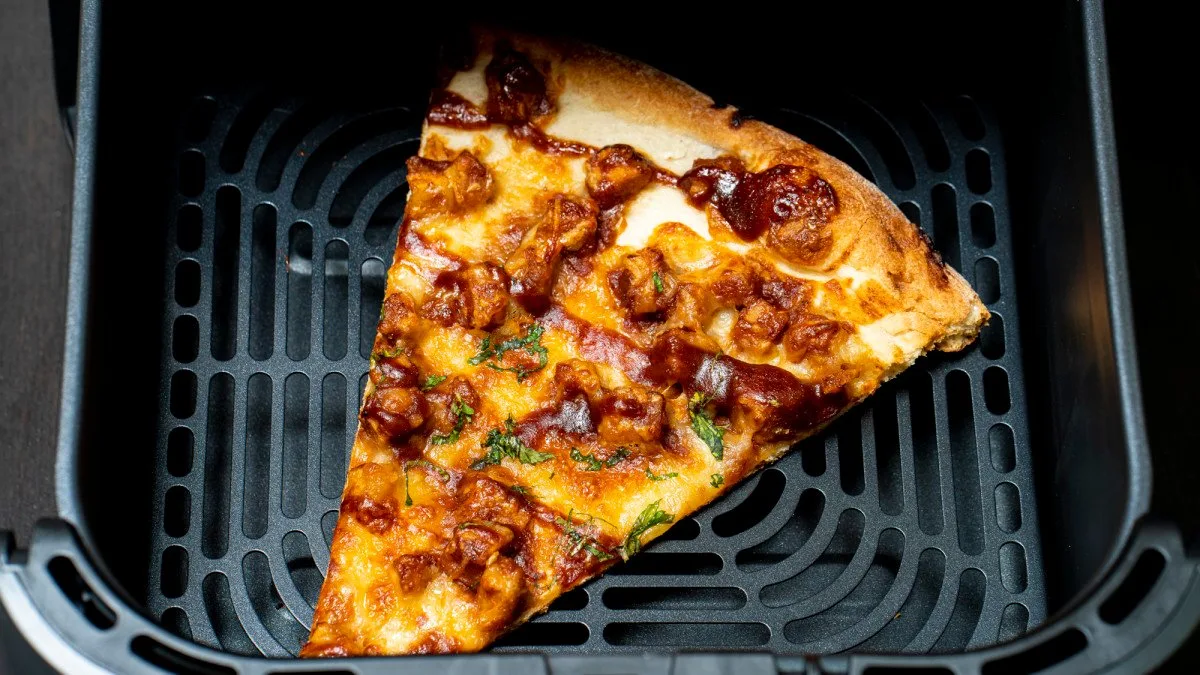
Image source: Bing (Web (fair-use with source credit))
The Step-by-Step Walkthrough: From Fridge to Crispy Slice
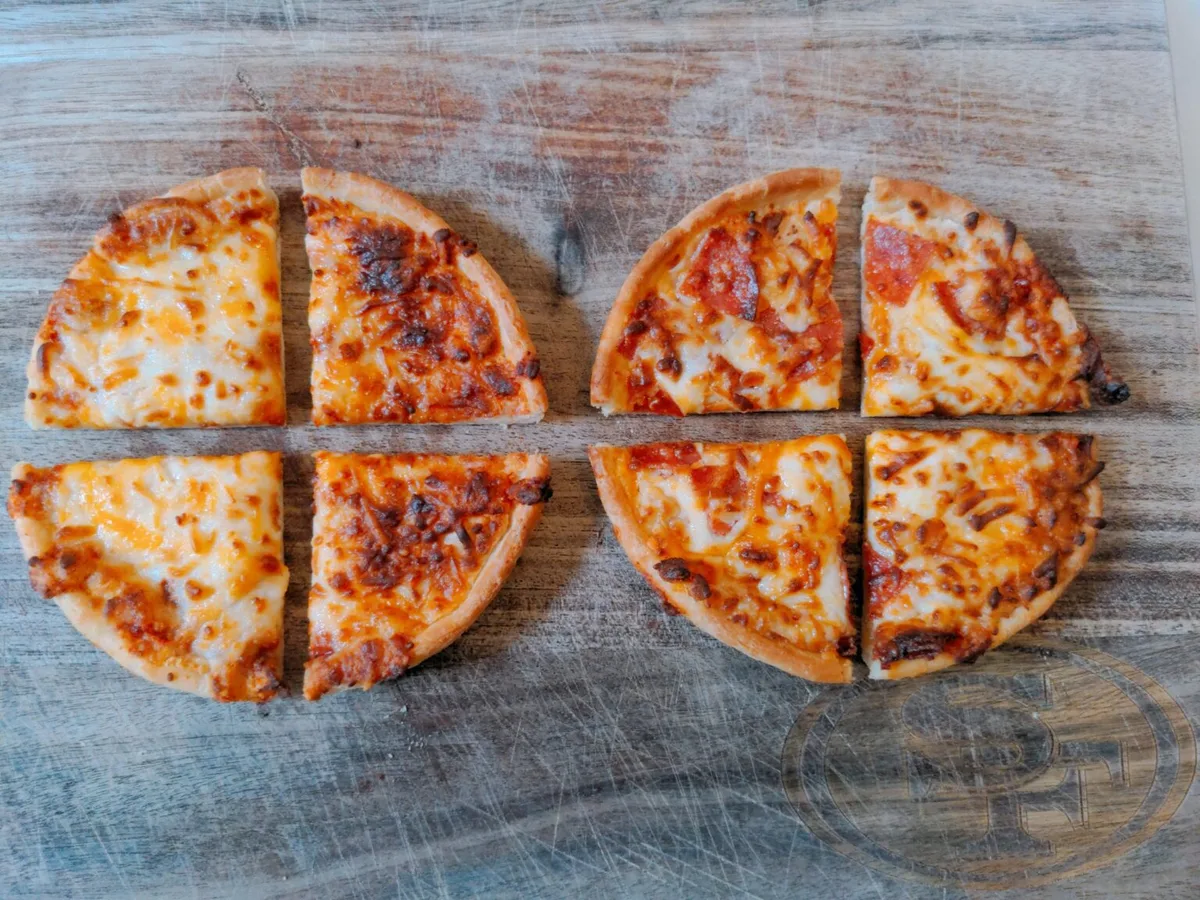
Image source: Web (Bing) / costcofdb.com (Web image (fair-use with source credit))
Preheating: Yes or No?
Yes, preheat your air fryer. A cold basket will soak up heat meant for the pizza. That extends the cook time and leads to uneven results.
Most modern air fryers preheat in two to three minutes at 350°F.
If your model doesn't have a preheat button, just run it empty at your target temperature for three minutes. That's plenty of time to get the basket hot. This same principle applies to regular oven cooking, as we highlight in our piece on whether to preheat or not.
A hot start makes a huge difference in the final texture.
Placement: Single Layer, Spacing, and Lining the Basket
Never stack slices. The air needs to touch every surface to crisp it. Overlapping means the bottom slice steams while the top slice burns.
Use a single layer and leave at least half an inch between pieces.
If you're reheating just one slice, place it in the center of the basket. For multiple slices, spread them out evenly. Avoid the corners where airflow is weaker.
Lining the basket with perforated parchment paper helps with cleanup. It keeps the cheese from sticking without blocking air circulation. We cover more cleaning tricks in our guide on how to remove grease from an air fryer.
Timing Checks: The 3-Minute Mark
Start checking at the 3-minute mark. Pull the basket out and give the slice a gentle shake or peek. Thin-crust slices are often done by now.
Thick crusts will need more time.
Watch for visual cues. The cheese should be fully melted and bubbly. The edges of the crust should look golden and dry.
If the cheese is melted but the crust feels spongy, give it another 90 seconds.
Resting: Why You Wait a Minute Before Biting
Let the pizza rest for one full minute after you pull it out. This isn't just about avoiding a burnt mouth. The internal temperature continues to equalize during this time.
The cheese and sauce cool slightly, setting their structure. The crust finishes crisping as steam escapes. If you cut into it immediately, you'll lose all that texture you worked for.
Mistakes That Ruin the Slice (and How to Avoid Them)
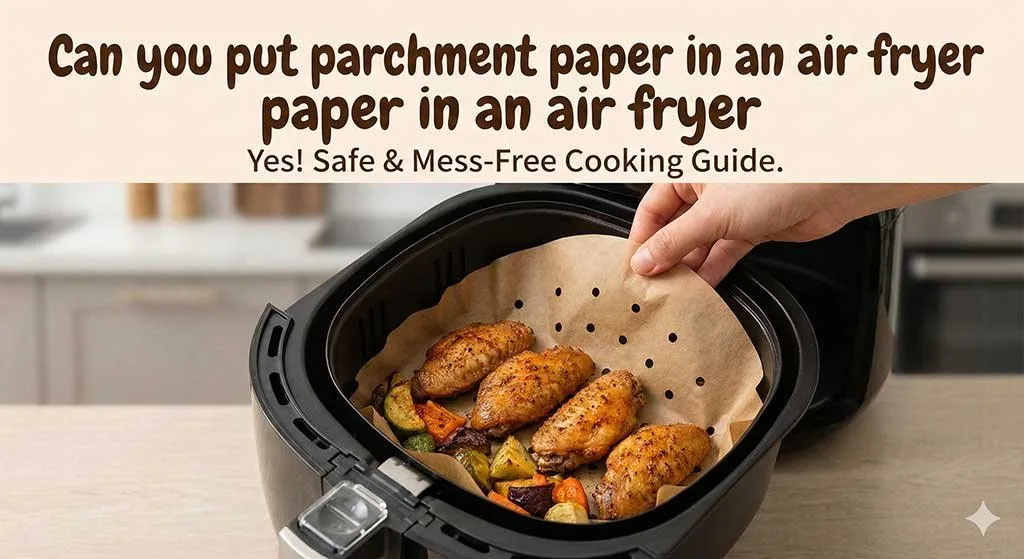
Image source: Bing (Web (fair-use with source credit))
The Parchment Paper Fire Risk
This is the most dangerous mistake you can make. Loose parchment paper can fly up inside the basket and touch the heating element. That's an instant fire hazard.
Only use parchment paper that's weighed down by food on all sides. Never use it during preheating when the basket is empty. Many air fryer manuals explicitly warn against this practice.
If you want to avoid the risk entirely, skip the liner and clean the basket after.
Overcrowding the Basket
More slices don't mean faster reheating. Overcrowding blocks the airflow that makes the air fryer work. You'll get a warm, soggy, uneven mess.
Cook in batches if you have a lot of pizza to reheat. It takes longer, but you won't face a sad, limp end result. One full batch is the max your basket should hold.
Cranked-Up Heat That Burns the Cheese Before the Crust Crisps
High heat is tempting because it's fast. But it's the wrong tool here. At 400°F, the cheese burns and separates before the dough has time to warm through.
Stick to the temperature ranges from earlier. Thin crusts get 350°F. Thick crusts get 300°F.
Slower and lower wins this race.
Alternatives to the Air Fryer: A Quick Comparison
Microwave (Fast, Soggy)
The microwave is the fastest option at 30 to 60 seconds. It works when you're desperate. But it turns the crust into a rubbery, chewy mess.
The texture is so different that it's barely recognizable as pizza.
Conventional Oven (Great for Quantity, Slow)
A full-size oven handles multiple slices or a whole pizza beautifully. It's the best choice for feeding a crowd. The downside is the 10 to 15 minute preheat time.
You'll also want a lower rack position to avoid burning the toppings.
Skillet on Stovetop (Good for Thin Crusts)
A cast-iron or non-stick skillet gives you excellent control. Place the slice in a cold pan, then set it to medium heat. Cover it for two to three minutes to melt the cheese, then uncover for a crispy bottom.
This works best for thin crusts.
Toaster Oven (Middle Ground)
A toaster oven sits between an air fryer and a conventional oven. Results are good, but it's slower. The lack of a circulating fan means less even browning.
It's a solid backup if you don't own an air fryer.
Real-Life Scenarios: Which Method Fits Your Situation?
One Slice on a Weeknight
You're hungry after work, and there's one slice left from last night. The air fryer is perfect. It's 350°F for 3 to 4 minutes, and you've got a crispy snack while boiling water for pasta.
Minimal prep, minimal cleanup.
Four Slices for the Family
You need to reheat four slices for the kids. Your air fryer basket probably holds two slices comfortably. That means two batches.
It takes about eight minutes total, which is still faster than a conventional oven.
Late-Night Snack vs. Full Meal Approach
A late-night snack gets the quick treatment. Lower expectations, faster settings, no sides. A full meal means treating the pizza as the star.
If that's the case, consider a conventional oven to reheat everything at once. Pair it with a simple salad, and you have a proper dinner without the soggy microwave texture.
Frequently Asked Questions
Can I Use Foil Instead of Parchment Paper?
Yes, but only for the bottom of the basket. Crumple the foil slightly so it doesn't block airflow. Never let it come within an inch of the heating element.
Foil reflects heat, so it can cook faster than parchment. Keep an eye on it.
Why Did My Cheese Stick to the Basket?
Cheese melts and drips during reheating. If it hits the hot basket, it bonds to the non-stick coating. The easiest fix is using a liner or spraying the basket with a light coat of oil before placing the pizza.
You can also check our guide on how to clean a very dirty air fryer for stubborn residue.
Is It Safe to Reheat Pizza in the Air Fryer?
Yes, it's completely safe. Just ensure leftovers aren't kept at room temperature for more than two hours per the USDA's guidelines. Reheat until the internal temperature reaches 165°F.
As long as you store the pizza refrigerated and reheat it properly, you're good to go.
The Final Verdict: Your One-Paragraph Decision Guide
Here's the whole process distilled into something you can remember. Set your air fryer between 300°F and 350°F depending on crust thickness. Thin crusts go hotter and faster.
Thick crusts go lower and slower. Place slices in a single layer with space between them for airflow. Check at the 3-minute mark and adjust from there.
Let the pizza rest for a minute before you dive in.
If you're reheating a frozen pizza, start at 320°F to thaw, then crank it to 380°F to crisp. Always use a liner if you want easy cleanup, but never let parchment paper fly loose during preheat. And remember, the air fryer works because it circulates dry heat.
That's exactly what separates a crispy slice from a soggy one. Keep these settings in mind, and you'll never dread leftover pizza again.