How to How Long Do I Put Pizza in Air Fryer
Let's be honest: the microwave ruins leftover pizza. It turns a crispy slice into a sad, rubbery mess. The air fryer doesn't do that.
It revives the crust, melts the cheese properly, and brings back that "just delivered" texture you thought was gone forever.
But here's the question everyone asks: how long do I put pizza in air fryer? The honest answer is that it depends on what you're starting with. A cold leftover slice needs different treatment than a frozen personal pizza.
Per USDA food safety guidelines, reheated leftovers need to hit an internal temperature of 165°F before serving. That's the benchmark we'll build everything around.
As of 2026, air fryers have become standard kitchen equipment in most households. They're fast, energy-efficient, and perfect for single servings. So let's walk through the exact times and temperatures for every pizza scenario you might face.
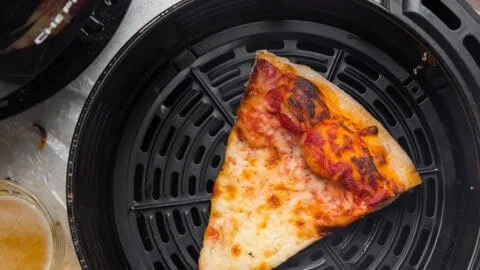
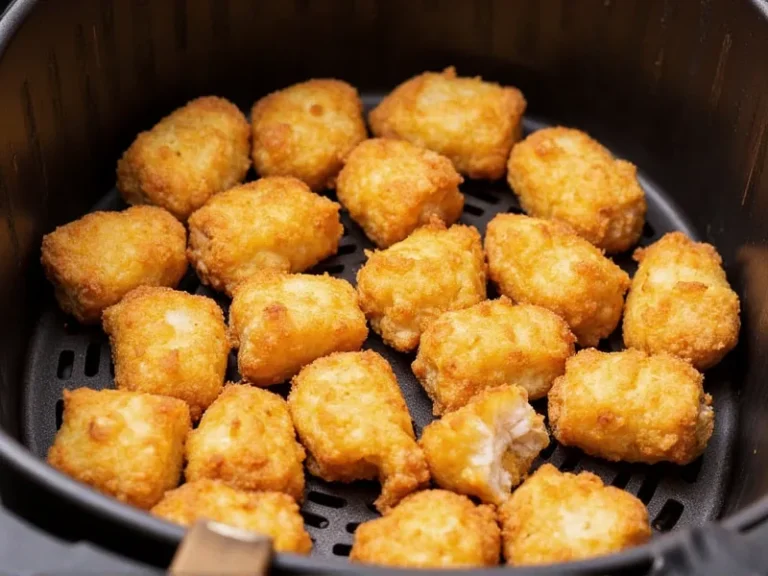
Image source: Bing (Web (fair-use with source credit))
Quick Answer
Put leftover pizza slices in the air fryer for 3 to 5 minutes at 400°F. Put frozen personal pizzas in for 8 to 12 minutes at 370°F. Check for bubbling cheese and a crispy bottom.
Those visual cues tell you it's done, not the timer.
The Short Answer: Quick Time & Temperature Chart
Here's the cheat sheet you came for. Bookmark it, screenshot it, whatever works.
| Pizza Type | Temperature | Time | Notes |
|---|---|---|---|
| Leftover slice (thin crust) | 400°F | 3–5 minutes | Pull when cheese bubbles at the edges |
| Leftover slice (thick crust) | 370°F | 6–8 minutes | Lower heat warms the middle without burning the top |
| Frozen personal pizza (10-inch) | 370°F | 8–12 minutes | Flip or rotate halfway for even cooking |
| Frozen mini pizza / cheese toast | 375°F | 5–7 minutes | Check package instructions first, then subtract a minute |
| Raw dough (homemade) | 350°F | 10–14 minutes | Pre-bake the bare crust for 5 minutes first |
| Stuffed crust (reheat) | 370°F | 6–8 minutes | The cheese inside needs gentler heat |
The golden rule: the timer is your starting point, not your final word. Air fryers run hot or cool depending on the brand, model, and wattage. Your eyes and a quick probe check matter more than any fixed number.
Why Air Fryers Cook Pizza Differently Than Ovens
Understanding the mechanics helps you nail the timing every single time.
An air fryer is essentially a small convection oven. It has a heating element and a powerful fan that circulates hot air rapidly around the food. That fan is the secret.
It strips moisture from the surface, which is exactly what creates that crispy crust you're after.
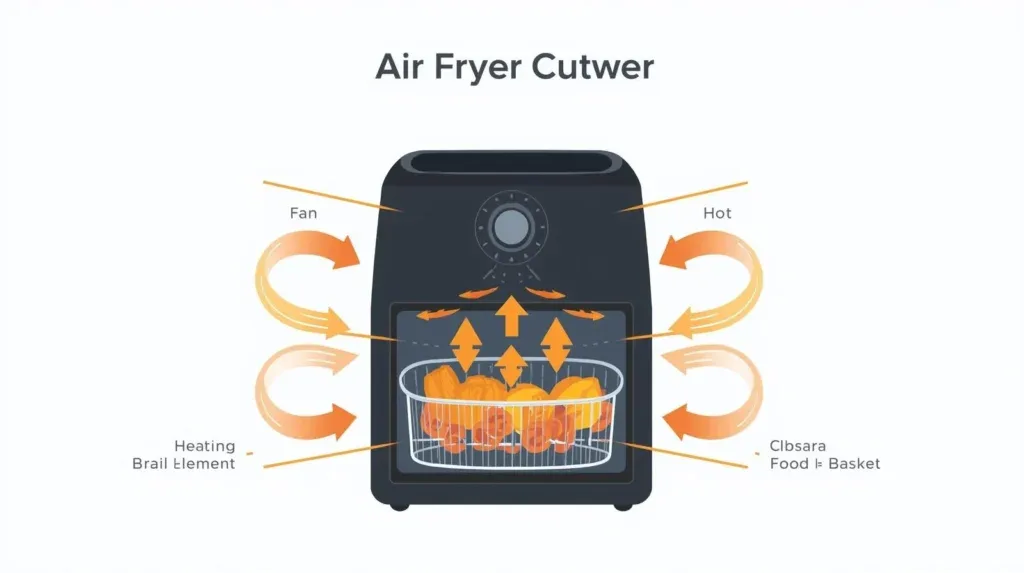
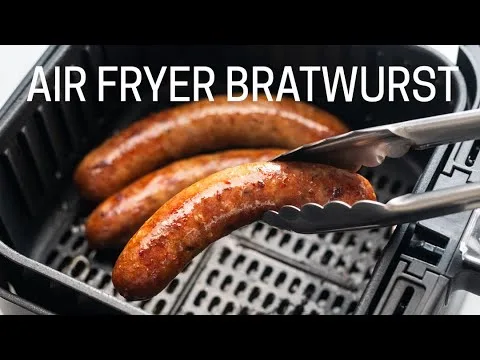
Image source: Bing (Web (fair-use with source credit))
Because the cooking chamber is compact, the air doesn't have to travel far. That means faster cook times than a full-size oven, but it also means less room for error. Food goes from perfectly golden to burnt in about a minute.
Most air fryers run between 800 and 1800 watts. Higher wattage means more heat output, which means shorter cook times. If you have a 1500-watt model, it'll cook faster than an 800-watt budget unit.
That's why a one-size-fits-all time chart never works perfectly.
The other key difference is airflow. Ovens have dead spots where heat doesn't circulate well. Air fryers force air through the basket constantly, so every inch of the pizza gets hit with hot air.
That's why the bottom crisps up so beautifully, but it's also why cheese can dry out if you leave it in too long.
Aggregate reviews and manufacturer specifications confirm this consistently. The fan speed and wattage are the two biggest variables between models. If you're unsure about your specific unit, check the manual.
The Leftover Slice: The Reheat That Actually Works
This is the scenario most people care about. You've got a slice or two from last night's delivery, and you want them to taste fresh again.
Start with a cold slice straight from the fridge. Set your air fryer to 400°F. Put the slice directly on the basket grates, not on a paper towel or foil.
You want maximum airflow hitting the bottom of the dough.
Set the timer for 3 minutes. That's the baseline. At that point, the cheese should be bubbling around the edges.
The crust should feel firm when you touch it. If you like extra crispiness, give it another 30 to 60 seconds.
Here's the critical visual cue: bubbling cheese means the pizza is hot enough inside. If the cheese hasn't started to bubble, the center is probably still cold. Give it another minute and check again.
Pro tip: If you're reheating multiple slices, don't stack them. Place them in a single layer with space between each slice. The air needs room to circulate.
Crowding the basket leads to uneven cooking, with some parts crispy and others soggy.
The pull test: Gently lift the slice with a spatula. The bottom should feel firm and slightly crisp, not floppy. If it bends too easily, it needs another minute.
One thing to watch: cup pepperoni can turn into hard, crunchy discs at higher temperatures. They're already crispy from the original bake. If your slice has cup pepperoni, check it at the 2-minute mark and pull it early if the pepperoni looks overcooked.
Frozen Pizza: The 10-Inch Doesn't Fit Problem
Frozen pizza in an air fryer is a different beast entirely. You're not reheating cooked food. You're fully cooking raw dough from a frozen state.
Most air fryer baskets are round or square and range from 3 to 8 quarts. A standard 10-inch frozen pizza might barely fit in a larger basket. If it touches the sides, it won't cook evenly.
The edges will burn while the center stays doughy.
The fix: Cut the frozen pizza in half or quarters before cooking. You can use a sharp knife or kitchen shears. It's not pretty, but it works perfectly.
The pieces cook faster and more evenly, and you get the crispy-bottomed result you want.
Set the temperature to 370°F. Run it for 8 minutes as a starting point. At that mark, check the top.
The cheese should be fully melted and starting to brown. The crust edges should be golden.
Flip the pieces at the halfway point if your air fryer has hot spots. Some models cook faster on one side. Rotating the pizza ensures even browning.
If the top looks done but the bottom is still pale, that's a common issue. The cheese browns faster than the dough cooks. Drop the temperature to 350°F and add 2 to 3 more minutes.
Lower heat gives the dough more time to catch up without burning the toppings.
The internal check: The thickest part of the crust should hit 165°F, per USDA guidelines. An instant-read thermometer is the only reliable way to verify this. Poke the probe into the center of the crust, not the toppings.
Thick Crust and Deep Dish: Low Heat Is the Secret
Thick crust pizza needs a different approach. The volume of dough is larger, so it takes longer to heat through. Crank the heat to 400°F and you'll burn the outside while the middle stays cold.
Drop the temperature to 370°F. This gentler heat gives the dough time to warm up without scorching the cheese. The baseline time is 6 to 8 minutes for a leftover thick slice or deep-dish square.
For a deep-dish slice with a buttery, flaky crust, add a minute or two. The extra dough density demands it. Watch the cheese on top.
If it starts to brown before the 6-minute mark, your air fryer runs hot. Pull it early and check the internal temperature.
Stuffed crust is the trickiest. The cheese inside the crust needs time to melt completely. The visual cue for regular slices, bubbling surface cheese, doesn't tell you anything about the interior.
You need to check the crust temperature directly.
Use a probe thermometer and insert it through the side of the crust, aiming for the center of the stuffed portion. It should read 165°F or higher. If it's not there yet, drop the temperature to 350°F and go another 2 minutes.
For cold thick crust, let the slice sit on the counter for 5 minutes before cooking. This takes the chill off the dough and reduces the temperature shock. It also shortens the cooking time by about a minute.
Raw Dough: The Two-Stage Process That Saves You
Cooking raw pizza dough in an air fryer is a completely different game. The fan moves so much heat that the outside cooks before the middle gets a chance. That leaves you with a burnt edge and a doughy center.
The fix is simple: cook the crust twice.
Stage one: stretch your dough to fit the basket. Poke it all over with a fork to prevent big air bubbles. Brush it lightly with olive oil.
Cook it at 350°F for 5 minutes. The crust will come out pale and slightly puffed, but that's exactly what you want.
Stage two: pull the crust out. Add your sauce, cheese, and toppings. Crank the temperature to 380°F and cook for another 5 to 7 minutes.
Watch for bubbling cheese and a golden-brown edge. That combination means it's done.
The internal temperature of the finished crust should read 200°F. That's the number that confirms the dough is fully baked through, not just hot on the surface. Per USDA guidance, any reheated or fully cooked food should clear 165°F to be safe.
Why two stages work: the pre-bake builds a firm, dry barrier on the surface. That keeps the sauce from soaking into the dough and making it soggy. Skip this step and you'll end up with a floppy, gummy base every time.
Real Scenarios: What People Actually Type
People don't search in perfect sentences. They type fragments of their immediate kitchen problem. Here are the real scenarios that come up constantly, with straight answers.
"Can I put a whole frozen pizza in an air fryer?"
Only if it fits without touching the basket walls. Most frozen personal pizzas are 10 inches, and most baskets are 3 to 8 quarts. If your pizza touches the sides, it cooks unevenly and traps moisture.
Otherwise, cut it in halves or quarters and cook at 370°F for 8 to 12 minutes, flipping halfway.
"How to reheat Costco pizza in an air fryer?"
Costco slices are massive. A single slice often takes up the entire basket. Set it to 400°F and cook for 3 to 5 minutes.
The thick crust needs that higher heat to crisp the bottom. Let the slice sit on the counter for 5 minutes first to take the chill off the dough.
"Best air fryer temperature for stuffed crust?"
Stuffed crust is all about gentle heat. Crank it too high and the outer crust burns while the cheese inside stays solid. Use 370°F and cook for 7 to 9 minutes.
Check the internal temperature through the side of the crust. It should hit 165°F minimum, but 200°F is better for fully melted cheese.
"Do I need to preheat my air fryer for pizza?"
It depends on your model. Some air fryers have a built-in preheat function. Others don't.
If yours doesn't, run it empty for 3 minutes at the target temperature before adding the pizza. This ensures the basket and surrounding air are hot from the start, which gives you a better crust-to-cheese ratio. Check your settings before you start.
Mistakes That Wreck Your Pizza (and Your Basket)
These are the mistakes surface every single time. Avoid them and you'll have a much better result.
- Crowding the basket. Stacking slices or overlapping frozen pieces blocks air circulation. That kills crispness. Cook in a single layer, with space between each slice.
- Using a liner that blocks airflow. Some parchment paper and silicone liners prevent the hot air from reaching the bottom of the dough. Use a liner with holes, or skip it entirely and place pizza directly on the grates.
- Cranking the heat to "cook faster." High heat burns the cheese and crust before the middle warms through. More heat doesn't mean faster cooking. It means uneven cooking.
- Forcing a full-size pizza into a small basket. If it crinkles or folds to fit, the dough won't cook evenly. The exposed edges burn, the folded parts stay doughy. Cut it down first.
- Opening the basket every 30 seconds. Every time you pull the basket out, you release the hot air. That resets the cooking temperature and adds time. Trust the timer and check once at the halfway point.
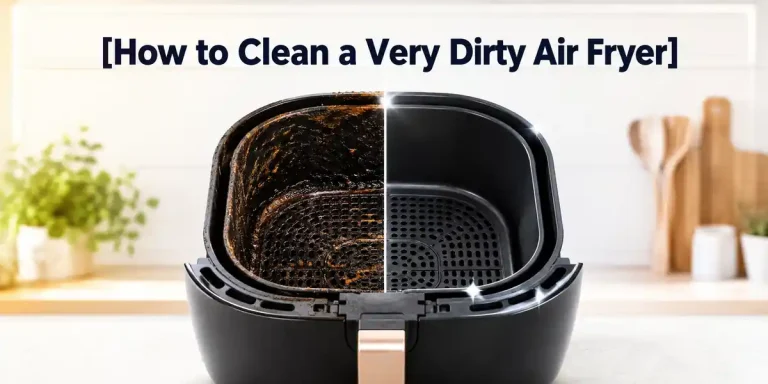
If your pizza comes out soggy despite following these rules, airflow might be your issue. This guide can help you fix that problem. And if you're dealing with grease buildup after multiple batches, it's worth learning how to get the basket properly clean.
Safety First: Melted Cheese, Smoke, and 165°F
The air fryer gets dangerously hot. The basket, the pizza, and especially the melted cheese are all at temperatures that cause serious burns. You should treat this like handling anything fresh out of a conventional oven.
The cheese burn is the real risk. Bubbling cheese is molten. Pulling a slice from the basket and biting into it immediately is practically a guarantee you'll blister the roof of your mouth. Let the cooked pizza rest for 2 minutes.
That brief pause lets the filling set and the temperature drop to something manageable.
Smoke management matters too. Grease and oil from the pizza can drip onto the heating element as it cooks. That produces smoke, which can trigger your smoke alarm and leave a lingering smell in your kitchen. Keep the area ventilated, and consider a quick clean after particularly greasy pizzas.
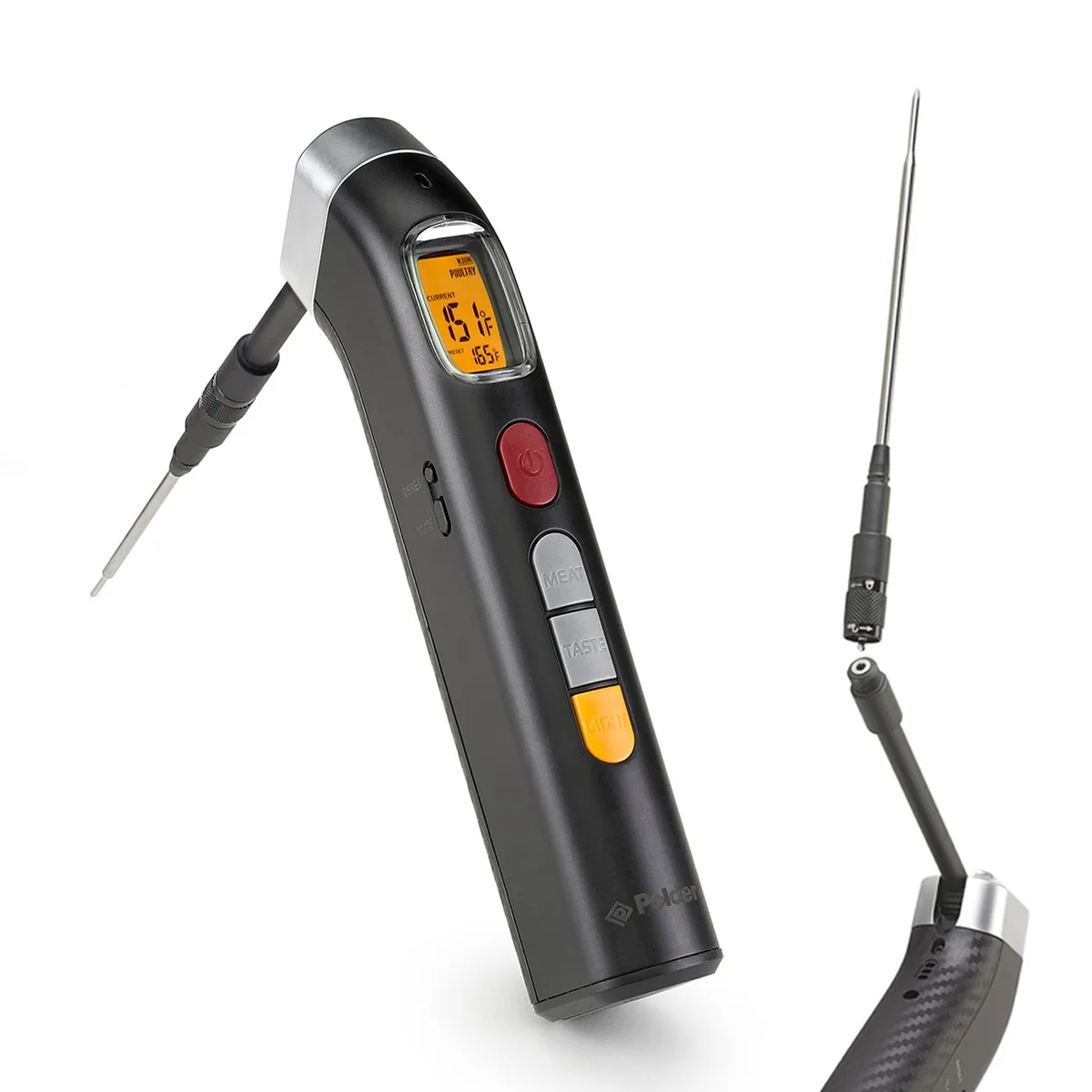
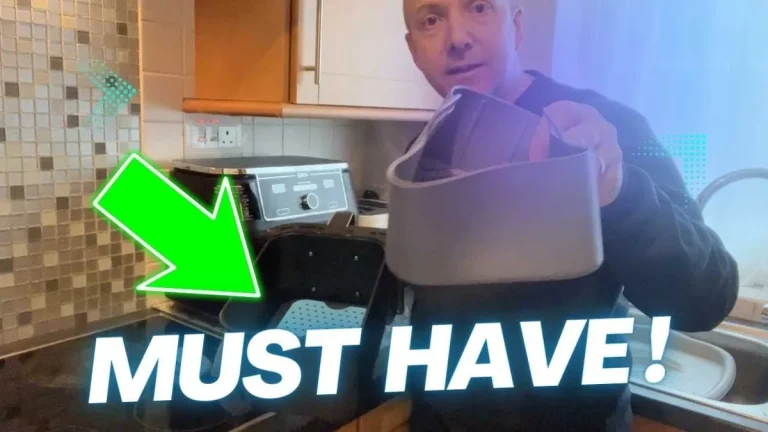
Image source: Web (Bing) / polder.com (Web image (fair-use with source credit))
The 165°F rule is non-negotiable. The USDA Food Safety and Inspection Service states that reheated leftovers must reach an internal temperature of 165°F to kill harmful bacteria. This is especially important for pizzas with meat toppings like pepperoni or sausage. An instant-read thermometer is the most reliable way to verify this.
Insert the probe into the thickest part of the crust or a piece of meat, not the cheese on top, for an accurate reading. Don't skip this step if you've got any doubts about storage time or reheating.
Pro Tips: Little Tweaks That Deliver Better Crust
These are the details that turn a decent air-fryer pizza into one that rivals delivery. They take an extra minute but the payoff is real.
Preheat the basket. A cold basket steals heat from the pizza for the first minute of cooking. Running it empty for 3 minutes at the target temperature gives you an immediate, aggressive sear on the crust. The difference is noticeable.
Brush the crust with olive oil. A thin coat on the exposed dough edge before cooking produces that golden, bakery-style finish. It also adds a layer of flavor and helps the crust crisp up faster.
Give the pizza a rest after cooking. We touched on this for safety, but it also serves a culinary purpose. Resting lets the cheese set slightly, so it doesn't slide off the slice when you pick it up. It also allows the moisture in the toppings to redistribute.
The result is a more cohesive, less messy pizza slice.
Finally, match the basket to the pizza. If you have a rectangular basket, use it for long slices. Square baskets work better for personal pizzas. This lets you cook the largest possible piece at once, which means less waiting around for a second batch.
Quick Troubleshooting: Diagnose What Went Wrong
- Crispy top, raw dough center? Your heat's too high. Drop to 350°F and add 2 to 3 minutes. The lower temperature lets the middle catch up without scorching the cheese.
- Soggy bottom? Check your liner. Parchment paper or silicone mats without holes trap steam underneath. Skip the liner and place pizza directly on the basket grates.
- Cheese sliding off the slice? Let the pizza sit at room temperature for 5 minutes before cooking. A cold slice shocks the cheese, causing it to separate before the dough heats through.
- Uneven cooking? Your model likely has hot spots. Rotate the pizza halfway through the cycle. Cut frozen pizzas into smaller pieces to ensure even airflow around each piece.
The 2-Minute Air Fryer Pizza FAQ
Do I add water or oil to the basket?
No and no. Water creates steam, which ruins the crispiness you're chasing. A light brush of olive oil on the crust before cooking helps it brown, but oil in the basket itself just creates a mess and smoke.
Can I cook two slices at once?
Only if they don't touch. Place them in a single layer with gaps between each slice. If your basket's too small for two slices to work, cook them one at a time.
Overcrowding kills airflow and produces an unevenly cooked, floppy result.
Should I use a baking dish inside the air fryer?
You can, but it changes the result. A dish shields the bottom crust from direct heat, so you lose that crispy finish. Use it only for deep-dish pizzas or heavily loaded slices where a floppy base is acceptable.
Final Verdict: The Time That Works Every Time
Here's the decision path that covers every scenario. Leftover thin slice? 3 to 5 minutes at 400°F. Frozen personal pizza? 8 to 12 minutes at 370°F.
Thick crust or stuffed crust? 6 to 9 minutes at 370°F. Raw dough? Two-stage cook at 350°F for 5 minutes, then 380°F for 5 to 7 minutes.
The timer is a starting point, not a guarantee. Air fryer models vary in wattage and airflow. The real check is visual: bubbling cheese and a firm, golden-brown crust.
That combination tells you it's done every single time.
Per USDA safety guidance, verify the internal temperature hits 165°F for reheats. For fully cooked dough, aim for 200°F in the center. Then let it rest for 2 minutes.
That final pause sets the cheese and saves you from a serious burn. Now go rescue that pizza.