What Is How Long Do Chicken Legs Take in the Air Fryer
Drumsticks, whole legs, leg quarters. They're cheap, forgiving, and absolutely perfect in the air fryer. But ask anyone "how long do chicken legs take in the air fryer" and you'll get a shrug, a guess, or somewhere between 15 and 30 minutes.
That's a huge gap. And if you pull them out too early, you're dealing with undercooked poultry near the bone. Too late, and you've got dry, rubbery meat that tastes like a disappointment.
Here's the good news, as of 2026: nailing it is straightforward once you understand the variables. Air fryer wattage, leg size, and whether your chicken is frozen all shift that time window. But the golden number you're chasing isn't a minute count.
It's 165°F internal temperature, the safe standard set by the USDA Food Safety and Inspection Service. Hit that, and you're golden. Let's break down exactly how to get there.
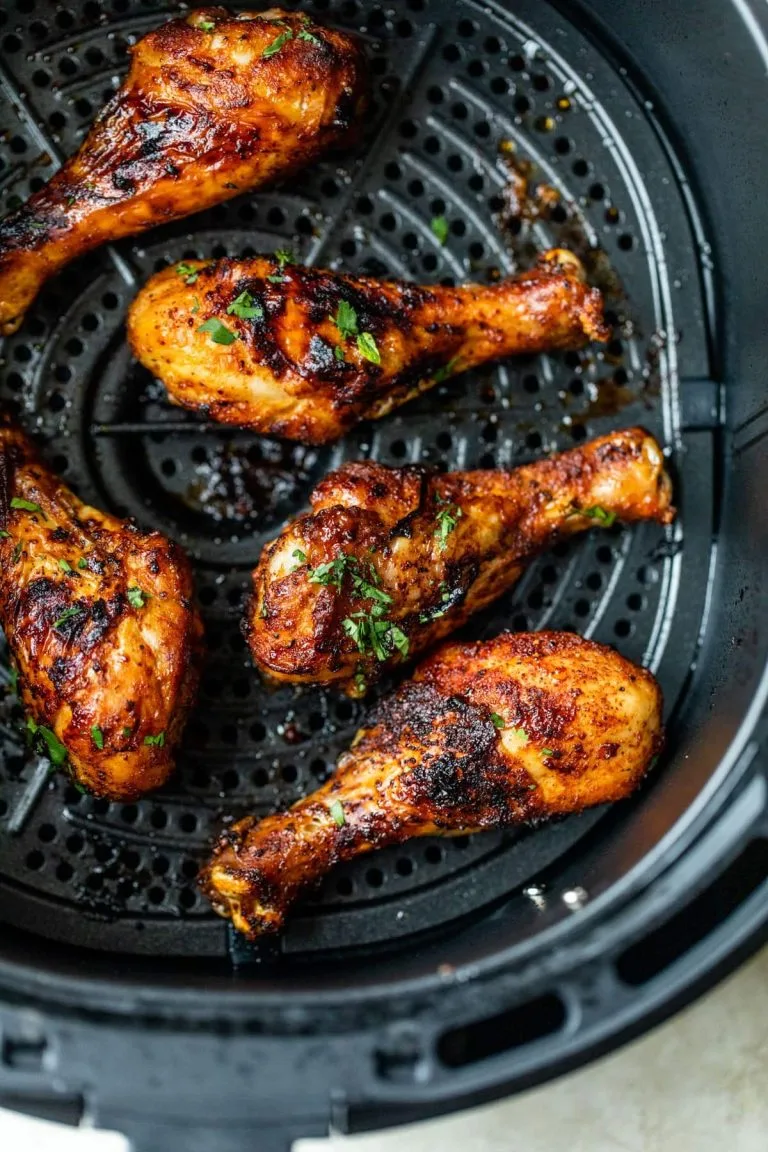
Image source: Web (Bing) / wellplated.com (Web image (fair-use with source credit))
Quick Answer
Fresh, bone-in chicken legs take 18 to 22 minutes at 400°F in an air fryer. For frozen legs, plan on 25 to 30 minutes. You must flip the legs halfway through.
Check the thickest part of the meat with an instant-read thermometer. It must read 165°F. Never judge doneness by the color of the skin or juices.
Why the Exact Time Depends on Your Specific Situation
First, let's clear something up. The phrase "chicken legs" gets thrown around loosely. But it actually covers two different cuts.
Drumsticks are the lower part of the leg. They're the classic lollipop shape. These are smaller, usually around 4 to 5 ounces each.
They cook faster.
Leg quarters include the drumstick attached to the thigh. They're bigger, heavier, and denser. A single leg quarter can weigh 8 to 12 ounces.
They need several extra minutes.
So when someone gives you a single time and calls it done, they're oversimplifying. Your cook time depends on a few specific things:
- Air fryer wattage. A 1500W basket heats differently than a 2000W model. Higher wattage generally means faster cooking. Your time might be on the lower end with a powerful machine like a high-end Philips or Ninja.
- Leg size and thickness. Bigger legs need more minutes. It's just physics.
- Frozen vs. thawed. Frozen legs roughly double the cooking time. We'll cover that in detail.
- Basket crowding. Legs need space. If they're touching, the hot air can't circulate. You end up with uneven cooking and longer times.
- Bone structure. Bones conduct heat differently than meat. That means the area right next to the bone is often the last part to reach a safe temperature.
| Variable | Impact on Time |
|---|---|
| Drumsticks (4-5 oz) | 18-20 minutes at 400°F |
| Leg quarters (8-12 oz) | 22-28 minutes at 400°F |
| Frozen drumsticks | 25-30 minutes at 400°F |
| Frozen leg quarters | 30-35 minutes at 400°F |
| Overcrowded basket | Add 3-5 minutes, risk uneven cook |
Those are solid starting points. But the thermometer always has the final say.
The 165°F Rule: Why Temperature Matters More Than Time
This is the part where being an expert matters. You care about doneness for one big reason: safety. The USDA standard for poultry is crystal clear.
Chicken must reach a minimum internal temperature of 165°F to be safe to eat. That's not a suggestion. That's the baseline that kills the harmful bacteria like Salmonella and Campylobacter.
Here's what trips people up. You can't tell if chicken is done by looking at it. Pink juice doesn't always mean undercooked.
Clear juice doesn't always mean done. And the skin can look perfectly golden brown while the meat near the bone is still raw.
That's why we hammer this point so hard in our research: you need a reliable instant-read meat thermometer. Not a fork. Not a guess.
Not a timer that says "it should be done."
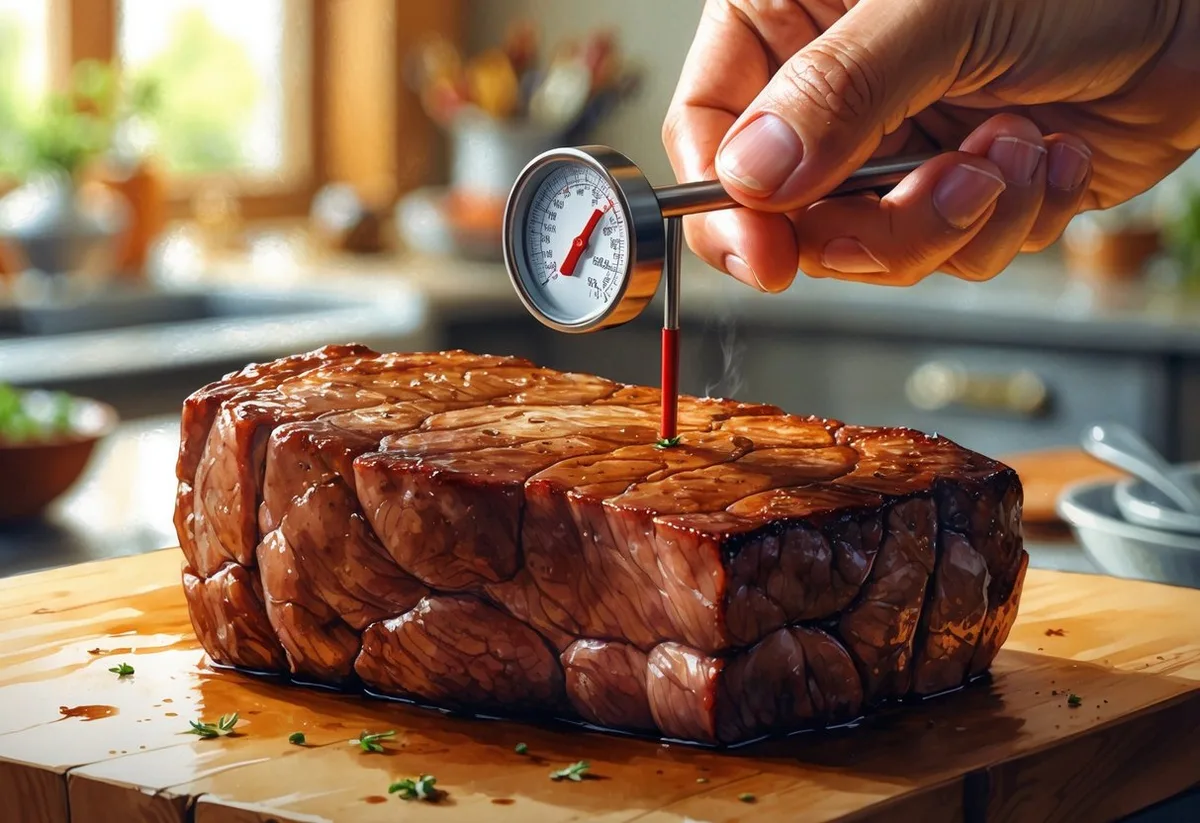
Image source: Web (Bing) / fity.club (Web image (fair-use with source credit))
Where you probe matters too. Stick the thermometer into the thickest part of the meat, avoiding the bone. The bone conducts heat differently and can give you a false reading.
You're looking for the coldest spot, which is usually in the middle of the meatiest section.
Carryover cooking is your friend. After you pull the legs out of the air fryer, the internal temperature will rise another 5 to 10 degrees as the meat rests. That means you can pull them at around 160°F and safely let the carryover heat push them to 165°F. This little trick keeps the meat juicier.
If you wait until the thermometer reads 165°F during cooking, you risk slight dryness because the carryover will push it even higher.
What You Need Before You Start
You don't need a lot of equipment for great air-fried chicken legs. But a few essentials make a real difference. Let's walk through the short list.
Instant-read thermometer. This is non-negotiable. Get a decent digital one. They're affordable, fast, and accurate.
The ThermoPop or similar models work great. If you're looking for a good guide on keeping your equipment in shape, the process is pretty simple. But honestly, any digital thermometer is better than no thermometer.
Air fryer. Whatever you own is fine. Basket-style models work best for chicken legs because they circulate heat efficiently. Oven-style air fryers work too, but you might need a little extra time since the air circulation is slightly different.
Cooking oil spray. You need a little fat to help the skin crisp up. Avocado oil or olive oil sprays work well. Just give the legs a light mist.
Avoid aerosol sprays with propellants, as they can damage some non-stick coatings over time. A simple pump sprayer or brushing on a teaspoon of oil works fine.
Seasoning. This is your chance to make it yours. Salt and pepper are the base. From there, you can go any direction.
| Seasoning Style | What to Use | Vibe |
|---|---|---|
| Classic | Salt, black pepper, garlic powder, paprika | Savory, crowd-pleasing |
| Spicy | Cayenne, chili powder, smoked paprika | Heat with depth |
| Herb-forward | Thyme, oregano, rosemary, lemon zest | Fresh and aromatic |
| BBQ-ish | Brown sugar, smoked paprika, onion powder, mustard powder | Sweet and smoky (watch burning) |
Paper towels. Pat those legs completely dry before seasoning. Dry skin is crispy skin. Wet skin steams, and steamed skin never crisps.
This single step matters more than almost anything else.
One quick tip before you start: if your air fryer tends to smoke, check out some guidance on keeping it clean. Residue in the basket can cause unnecessary smoke during cooking.
Step-by-Step: Cooking Fresh Chicken Legs in the Air Fryer
Alright, let's get to the actual process. Follow these steps and you'll nail it every single time.
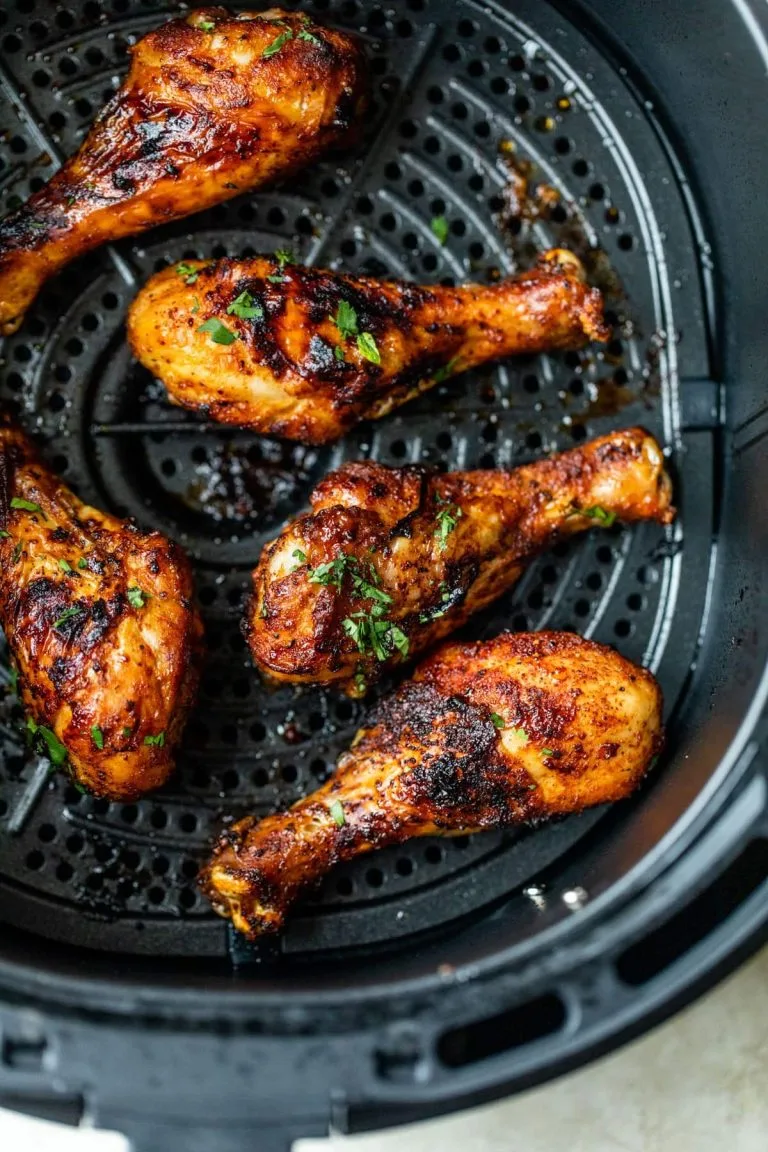
Image source: Web (Bing) / wellplated.com (Web image (fair-use with source credit))
Step 1: Pat the skin dry. Start with your chicken legs at room temperature for about 15 minutes. Then grab paper towels and really dry the surface. The drier the skin, the crisper the result.
This is the step most people skip.
Step 2: Season generously. A light coat of oil first helps the seasoning stick. Then apply your spice blend. Don't be shy with the salt.
Chicken legs can handle a generous amount. Season on all sides, getting into the nooks and crannies.
Step 3: Preheat the air fryer. Run it empty at 400°F for 3 to 5 minutes. A preheated basket means the skin starts cooking immediately. That's a huge part of getting it crisp rather than leathery.
If you're unsure about preheating, a quick guide on the topic covers the basics.
Step 4: Arrange the legs in the basket. Place them in a single layer. Make sure they aren't touching. Crowding traps steam and leads to soggy skin.
If you're cooking more than your basket can hold, work in batches. Six medium drumsticks usually fit in a standard basket without a problem.
Step 5: Cook at 400°F. Start by setting the timer for 15 minutes for drumsticks, or 18 minutes for larger leg quarters. After the halfway mark, flip the legs with tongs. This ensures even browning on all sides.
It's tempting to skip the flip, but don't. The difference is noticeable.
Step 6: Check the temperature. When the timer goes off, start checking internal temperature. Stick your thermometer in the thickest part, away from the bone. The target is 165°F.
If you're not there yet, put them back in for 2 to 3 minute intervals.
Step 7: Rest before serving. This is not optional. Letting the legs rest for 5 minutes allows the juices to redistribute. Cutting into them immediately lets all that flavor run onto the cutting board instead of your plate.
If your chicken ever comes out dry, don't automatically blame the recipe. Sometimes the technique needs a tweak. There's a deeper look at common causes and fixes that can help you troubleshoot.
How Long for Frozen Chicken Legs (And How to Do It Safely)
Life happens. You forgot to pull the chicken out of the freezer this morning. The good news?
You can absolutely cook frozen chicken legs in the air fryer. The air fryer handles this surprisingly well.
Frozen drumsticks take roughly 25 to 30 minutes at 400°F. Leg quarters that are fully frozen can take 30 to 35 minutes. The key phrase here is "roughly." Even with times that long, you absolutely must verify with your thermometer.
The method is nearly identical to fresh legs. But there are a few changes:
- Skip the oven-style preheat debate. For frozen chicken, just get the basket hot and go.
- Do not oil or season before cooking. Seasoning slides right off a frozen surface. It also doesn't stick or penetrate. Start them plain, then season after they've thawed a bit, around the halfway mark.
- Extend the flip interval. Flip the legs at the 12 to 15 minute mark instead of halfway. They'll still be mostly frozen, but the surface will be cooked enough to handle the movement.
- Add a few minutes if they look large. A big frozen leg quarter can easily push past 35 minutes. Check the temperature and add time in 3 to 5 minute increments.
Safety warning: Never cook frozen chicken on a lower temperature to "thaw it out." That keeps the chicken in the danger zone, between 40°F and 140°F, where bacteria multiply rapidly. You want high heat from the start. The air fryer's rapid circulation handles defrosting and cooking simultaneously.
The 165°F internal temperature check still applies at the end. Don't skip it because the skin looks dark. Frozen chicken can brown beautifully while the center stays dangerously raw.
If you're dealing with a smaller air fryer and need to check whether your basket can handle the load, there's useful info on replacement options that helps you know what you're working with.
Common Mistakes That Ruin Air-Fried Chicken Legs
Even with the right time and temp, a few classic mistakes can tank your results. Here's what goes wrong most often, based on aggregate reviews and cooking forums.
Overcrowding the basket. This is mistake number one. Legs piled on top of each other trap steam. Steam means soggy skin and uneven cooking.
If your basket fits four legs comfortably, don't force six. Cook in batches and keep the extras warm in a low oven.
Skipping the thermometer. A timer is a guide, not a guarantee. Legs vary in thickness. Your air fryer runs hot or cold.
Checking with a probe takes five seconds and removes all guesswork. Never serve poultry without that 165°F confirmation.
Setting the temperature too high. Cranking it to 450°F won't speed things up. It burns the skin before the interior cooks through. You get dark, bitter exteriors and raw meat near the bone.
Stick with 400°F.
Not letting the meat rest. Cutting into hot chicken immediately sends all those juices onto the cutting board. That's flavor lost. Five minutes of rest makes a noticeable difference in tenderness.
Troubleshooting: What Went Wrong and How to Fix It
Sometimes things just don't turn out right. Here's how to diagnose and fix the most common issues.
| Problem | Likely Cause | Quick Fix |
|---|---|---|
| Undercooked near the bone | Legs too large, temp too low | Add 3-5 minutes, check at 2-minute intervals |
| Dry, tough meat | Overcooked or no rest time | Pull at 160°F, rest 5 minutes for carryover |
| Skin won't crisp | Wet skin, too much oil, overcrowded | Pat dry thoroughly, use less oil, more space |
| Smoke coming out | Excess fat dripping, dirty basket | Trim fat, clean the basket before cooking |
| Legs stick to basket | Not enough oil, cold basket | Light oil spray, always preheat first |
If the outside burns but the inside is raw: your temperature is too high. Drop it to 375°F and extend the cook time. The gentler heat gives the interior time to catch up.
If everything cooks unevenly: your air fryer might be packed too tight. Also check that you flipped the legs at the halfway mark. That single motion is responsible for more even results than any other step.
If you're dealing with soggy results consistently: there's a deeper look at why air-fried food ends up limp. The root cause is usually moisture control, not the appliance itself.
Expert Tips for Consistently Good Results
You've got the basics down. These are the little things that separate average chicken from genuinely great air-fried legs.
Salt ahead of time. If you have 20 extra minutes, salt the legs and let them sit uncovered in the fridge. The salt draws out surface moisture. That drier skin crisps up much faster in the hot air.
Add baking powder. Mix a teaspoon of baking powder into your seasoning. It's a classic trick from the oven-baked wing world. Baking powder raises the pH on the skin's surface, which helps it brown faster and get crunchier.
Don't use baking soda. They're not the same thing.
Know your air fryer's personality. Every model runs a little differently. A 2000W basket cooks faster than a 1500W one. Our research shows that most modern air fryers delivered by major brands like Ninja, Philips, and Cosori have slightly different heating patterns.
Learn yours and adjust accordingly.
Don't be afraid of a second flip. Flipping once at the halfway mark works. But flipping a third time in the last few minutes gives you extra-even browning across the rounded sides.
Work in batches. It's tempting to cram everything in at once. Cooking in smaller batches takes longer overall but gives you far better texture. Your patience is rewarded with genuinely crispy skin.
Safety First: Handling, Storage, and Doneness Checks
Let's talk about the unglamorous side of cooking: food safety. It matters more than any recipe tip. Chicken is a leading source of foodborne illness when mishandled.
Cross-contamination is the real danger. Raw chicken juices can spread bacteria to everything they touch. Use a separate cutting board. Wash your hands with soap and water for at least 20 seconds after handling raw poultry.
Sanitize any surfaces that came into contact with the meat.
Storing leftovers properly. Cooked chicken legs last 3 to 4 days in the refrigerator. Store them in an airtight container within two hours of cooking. That two-hour window shortens to one hour if your kitchen is especially warm, like above 90°F.
Reheating safely. Reheat leftovers to an internal temperature of 165°F again. The air fryer is actually perfect for this. It brings back crispiness that the microwave destroys, especially with fried chicken.
When in doubt, throw it out. Bad chicken has a sour or sulfurous smell. It feels sticky or slimy. If the texture seems off, trust your instincts.
The cost of tossing a few legs is nothing compared to a hospital bill. Per USDA guidelines, these are clear signs that your food isn't safe.
Frequently Asked Questions
Can I stack chicken legs in the air fryer?
No. Stacking traps steam and prevents even cooking. Legs need to sit in a single layer with small gaps between them.
If you have more legs than your basket holds, cook them in batches. The extra time is worth it for the texture.
Do I need to flip chicken legs halfway through?
Yes, absolutely. Flipping ensures both sides get equal exposure to the hot circulating air. Without it, you'll get one side crispy and the other side soft or even pale.
A quick tong flip at the 10-minute mark takes two seconds and makes a real difference.
Can I use a marinade with sugar in the air fryer?
You can, but be cautious. Sugar burns at high temperatures. In the air fryer, that means a marinade with honey, brown sugar, or BBQ sauce can blacken quickly at 400°F.
Keep the temperature at 375°F or apply the sugary glaze during the last 5 minutes of cooking.
What's the difference between a drumstick and a leg quarter for timing?
A drumstick is just the lower part of the leg. It's smaller, usually 4 to 5 ounces. A leg quarter includes the thigh, making it 8 to 12 ounces.
Leg quarters take 5 to 8 extra minutes because there's simply more meat to cook. Always confirm with a thermometer.
Can I reheat leftover chicken legs in the air fryer?
Yes, and it's the best way. Reheat at 375°F for 3 to 4 minutes until the internal temperature hits 165°F. Your legs come out crispy, not soggy like microwaved ones.
This also works for frozen leftovers if you add a few minutes to the time.
The Bottom Line
Air-fried chicken legs are fast, crispy, and hard to mess up once you know the rules. Fresh drumsticks need 18 to 20 minutes at 400°F. Leg quarters take 22 to 28 minutes.
Frozen cuts add 10 minutes or more.
But the timer is never the final word. Your instant-read thermometer is. Pull the legs when they hit 165°F in the thickest part, rest them for five minutes, and you'll have consistently great results.
Keep the basket clean between batches. A quick wipe down prevents smoke and stuck-on residue. If you're wondering about the best way to tackle buildup, proper cleaning extends both performance and flavor quality.
Master these fundamentals, and you've got a reliable weeknight dinner that beats takeout every time.