Beginner’s Guide to How Long Do You Cook Burgers in an Air Fryer
You're standing in front of your air fryer, burger patties thawed or frozen, and one question: how long do you cook burgers in an air fryer? It sounds simple, but the answer depends on thickness, starting temperature, and your target doneness. That's why most guides give you a single number and hope it works.
The truth is, air fryer cooking times vary more than people expect. A half-inch thin patty cooks in about 8 minutes, while a thick restaurant-style patty needs closer to 15. And frozen patties?
They're a completely different beast, usually pushing 18 to 20 minutes. As of 2026, manufacturer specifications and USDA guidance agree on one thing: the internal temperature hitting 160°F for ground beef matters more than any timer. In our research across Ninja, Cosori, and Instant Pot manuals, the time range stays consistent, but the variables shift everything.
Let's figure out exactly what works for your situation.
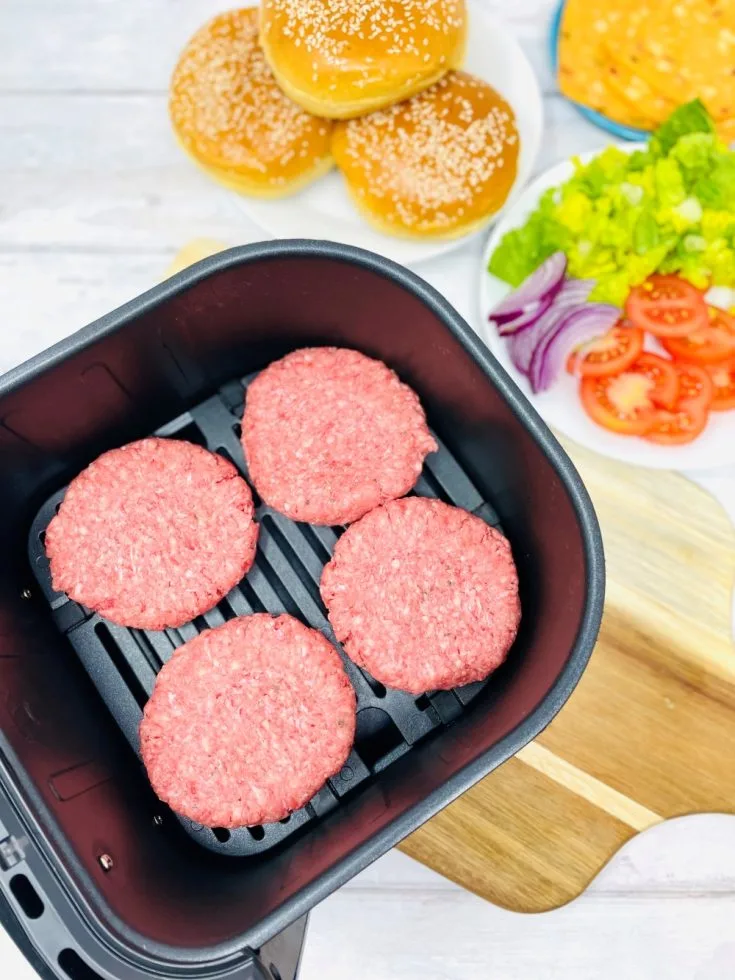
Image source: Bing (Web (fair-use with source credit))
The Real Problem: Dry Burgers, Burnt Edges, and Guessing Games
Air fryer burgers have one fatal flaw: they're easy to overcook. The rapid hot air circulation that makes fries crispy can turn a decent patty into a dry hockey puck in minutes. Unlike a grill where you see flames and control zones, the air fryer basket hides your food.
You can't peek through the grates to check on browning.
Most home cooks rely on visual cues that don't translate to air fryer cooking. They press the patty with a finger, check for pink, or simply set a timer and pray. That approach results in the most common complaints we see in aggregate user reviews: burnt edges, raw centers, and a gray, steamed texture that tastes nothing like a proper burger.
The real issue is that burgers in an air fryer cook differently than on a griddle. The intense convection hits the exterior fast, browning the outside while the inside lags behind. This uneven cooking window is why the time you set matters less than how you monitor the process.
If you treat the air fryer like a mini oven, you'll get dried-out results. If you treat it like a grill with a timer and a thermometer, you'll nail it every time.
The Short Answer: Time Depends on Thickness, Not Weight
Here's the direct answer before we go deeper. For a standard 4-ounce patty about ¾-inch thick, cook at 375°F for 12 minutes total, flipping halfway through. For thinner ½-inch patties, drop to 10 minutes.
For thick 1-inch burgers, plan for 14 to 15 minutes. Frozen patties need 16 to 20 minutes at the same temperature, depending on size.
| Patty Type | Thickness | Temperature | Total Time | Flip At |
|---|---|---|---|---|
| Fresh thin | ½ inch | 375°F | 10 min | 5 min |
| Fresh standard | ¾ inch | 375°F | 12 min | 6 min |
| Fresh thick | 1 inch | 375°F | 14–15 min | 7–8 min |
| Frozen standard | ¾ inch | 375°F | 16–20 min | 8–10 min |
That's the baseline, and it works for most basket-style air fryers between 4 and 8 quarts. But don't set the timer and walk away. The single most important variable is your specific machine.
Some models run hot, others run cool, and both scenarios shift cooking time by several minutes. If a recipe says 12 minutes and your patty hits 160°F at 9 minutes, trust the thermometer, not the timer.
Know Your Patty: Fresh vs. Frozen, Thick vs. Thin
Your starting point decides everything. Fresh patties cook predictably because they're at refrigerator temperature, typically 35°F to 40°F. Frozen patties start near 0°F, so they need significantly more time just to thaw before cooking even begins.
Patty Thickness and Cooking Time
Thickness affects cooking time more than weight. A 4-ounce patty shaped thin covers more surface area, so it cooks faster and develops better browning. A 6-ounce patty shaped thick will need more time even though the weight difference is small.
If you're making homemade burgers, shape them uniformly with a slightly depressed center. That divot prevents the patty from puffing into a ball as it cooks, keeping the thickness consistent.
Fat Content Matters More Than You Think
Ground beef fat percentage changes cooking behavior dramatically. An 80/20 blend (80 percent lean, 20 percent fat) stays juicy in the air fryer because the rendering fat keeps the interior moist. A 90/10 lean blend dries out faster, so it needs less cooking time and benefits from a slightly lower temperature.
If you must use lean beef, consider adding a tablespoon of olive oil to the surface before cooking to compensate.
Frozen Patties Are a Different Animal
Frozen patties straight from the freezer don't have that juicy fat rendering issue. The ice crystals in the meat create steam, which slows browning and extends cooking time. You can cook them frozen without thawing, and many air fryer owners report better results than with thawed patties because the outside crisps while the interior stays tender.
Just expect a longer cook time and a less even crust.
How to Cook Fresh Burgers in an Air Fryer Step-by-Step
Fresh patties are the easiest starting point because they behave predictably. Here's the full process that works across the most popular air fryer models we've researched.
Step 1: Season Generously
Get your patties out of the fridge 15 minutes before cooking. Season both sides with salt, pepper, and whatever else you like. A simple garlic powder and onion powder blend works well.
Don't skimp on salt, it helps flavor and encourages browning.
Step 2: Preheat for a Better Crust
Preheating makes a measurable difference. A hot basket sears the exterior immediately, locking in juices and creating that browned crust. Most air fryers have a preheat function that runs at the set temperature for 3 to 5 minutes.
If your model doesn't have one, just run the basket empty at 375°F for 5 minutes before adding food. If you're on the fence about whether preheating is worth it, our full preheating guide spells out when it matters.
Step 3: Arrange in a Single Layer
Spray the basket lightly with cooking oil. Place patties in a single layer with at least an inch of space between them. Overcrowding traps steam, which ruins browning and extends cooking time.
If you're cooking more than two standard patties, do them in batches. Yes, it's slower, but the results are far better than a crowded basket.
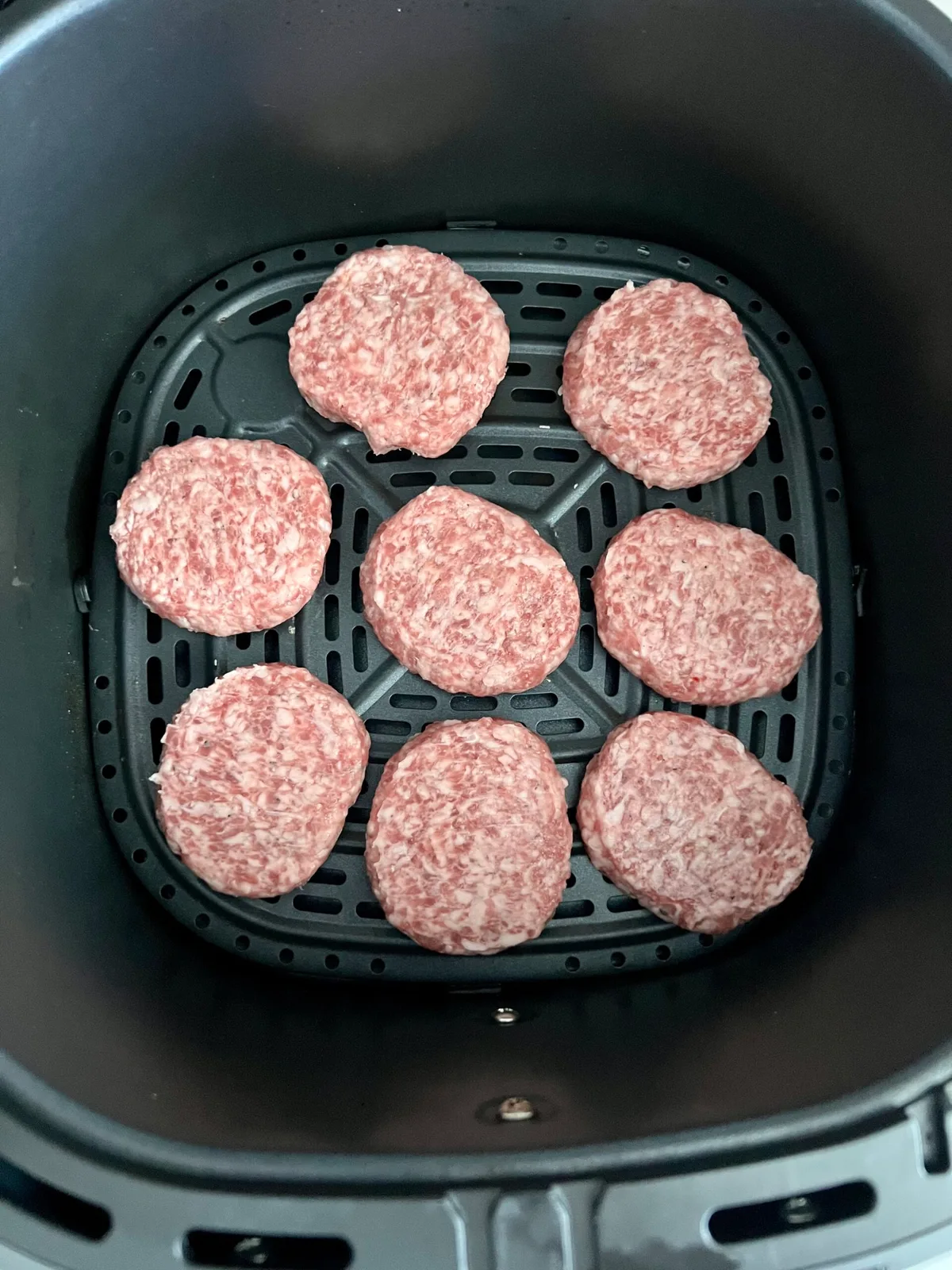
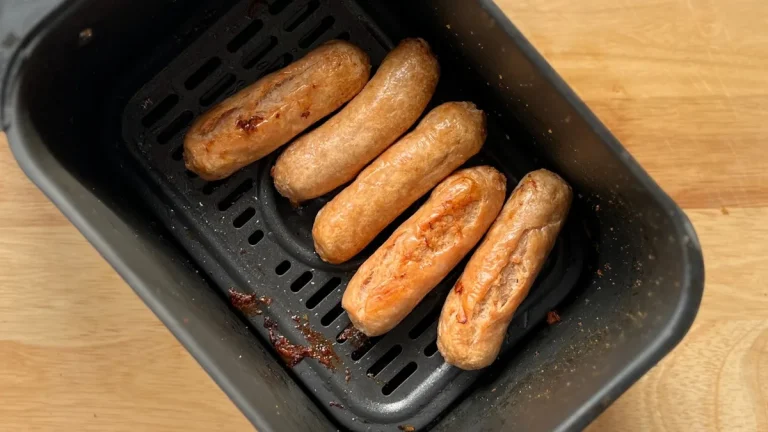
Image source: Web (Bing) / humbleoven.com (Web image (fair-use with source credit))
Step 4: Cook, Flip, and Monitor
Set the temperature to 375°F. For standard ¾-inch patties, cook for 6 minutes, then flip and cook for another 5 to 6 minutes. The exact time depends on your expected doneness and the thickness.
Check at the flip point. If the patties look pale and floppy, they need more time. If the edges are dark and pulling away, they're close to done.
Step 5: Check Temperature, Not Color
At the end of the cooking window, insert a meat thermometer probe into the side of a patty. It should read 160°F for ground beef to be safe. Color is not a reliable doneness indicator, especially in an air fryer where the hot air can brown the outside while the center stays undercooked.
Step 6: Rest, Then Add Cheese
Remove patties from the basket and let them rest for 3 to 5 minutes. This rest allows juices to redistribute. If you want melted cheese, put a slice on top in the final minute of cooking, or close the lid after removing the basket and let the residual heat melt it.
How to Cook Frozen Burgers in an Air Fryer Step-by-Step
Frozen patties are where the air fryer really shines. No thawing, no mess, just a frozen block of meat that becomes a decent burger in about 20 minutes.
Step 1: Don't Thaw, Just Cook
Skip the microwave and skip the cold water bath. Place frozen patties directly into the air fryer basket. They cook fine from frozen, and skipping the thaw prevents the patties from becoming soggy or falling apart.
If they're stuck together, separate them gently with a butter knife before placing them in the basket.
Step 2: Lower the Temperature Slightly
Cook frozen patties at 360°F rather than 375°F. The lower temperature gives the interior time to warm through before the exterior burns. At 375°F, frozen patties often develop a dark crust while the center still reads under 120°F.
Dropping 15 degrees extends the cooking time slightly but produces a more even result.
Step 3: Expect 16 to 20 Minutes
Place frozen patties in a single layer. Spray lightly with oil to help browning. Cook for 8 to 10 minutes, flip, then continue cooking for another 8 to 10 minutes.
Check the internal temperature after 16 minutes. A standard ¾-inch frozen patty should reach 160°F around the 18-minute mark. Thinner patties finish closer to 14 minutes, while thick ones may need 22.
Step 4: Watch Out for the Cold Center
The most common issue with frozen patties is a cold center. The outside browns quickly while the inside stays icy. This happens because the high heat doesn't penetrate fast enough.
If you hit this problem, reduce the temperature to 350°F and increase the total time to 20 to 22 minutes. The slower cook lets the heat reach the middle without burning the exterior.
Step 5: Finish With a Quick Rest
Frozen patties need the same resting period as fresh ones. Pull them out at 155°F if you're in a hurry; carryover cooking will push them to the safe 160°F mark during the rest. This resting step is critical, especially for frozen burgers that may have cold pockets near the center.
Give them a full 5 minutes before checking again.
The Cheese Factor: When and How to Melt It
Adding cheese to an air fryer burger requires timing. Put the cheese on too early and it slides off, melts into the basket, and makes a mess. Put it on too late and you get a cold slab on a hot patty.
The trick is to add cheese in the final 60 seconds of cooking. When the timer hits the last minute, open the basket, lay a slice of American, cheddar, or pepper jack on each patty, and close it back up. The residual heat plus the circulating hot air melts the cheese without overcooking the meat.
If your air fryer runs hot and browns cheese too quickly, try a different method. Pull the patties out when they hit 155°F, place cheese on top, and cover the basket loosely with aluminum foil. Let it sit for 2 minutes.
The trapped heat melts the cheese gently without a blast of direct convection.
Toasting Buns in the Air Fryer
Yes, you can toast burger buns in the air fryer, and it makes a noticeable difference. A toasted bun holds up better against juicy patties and adds a pleasant crunch that contrasts with the tender meat.
Split the buns and place them cut-side up in the basket. Set the temperature to 350°F and cook for 2 to 3 minutes. Check at the 2-minute mark.
The edges can go from golden to burnt quickly, especially with thinner brioche-style rolls.
Want garlic butter or mayo on the bun? Spread it on before toasting. The air fryer will crisp the edges faster than a standard toaster oven because of the forced convection.
Just watch your first batch closely to calibrate your specific machine.
Air Fryer vs. Skillet vs. Grill: Which Makes a Better Burger?
Each cooking method produces a distinctly different burger. The air fryer gives you convenience and consistency. The skillet gives you a serious crust and butter-basted flavor.
And a grill can chase smoke flavor you simply cannot recreate indoors.
| Method | Time | Crust | Fat Handling | Cleanup | Smoke Flavor |
|---|---|---|---|---|---|
| Air fryer | 10–20 min | Light to medium | Grease drips away | Minimal | None |
| Cast iron skillet | 6–10 min | Deep, hearty | Fat stays in pan | Moderate | None |
| Outdoor grill | 8–12 min | Good char marks | Some flare-ups | High | Strong |
If you love a smashed burger with lacy, crispy edges, use a cast iron skillet over high heat for about 90 seconds per side. If you want that charcoal aroma on a summer evening, fire up the gas or charcoal grill. But if you want dinner on the table in 20 minutes with almost zero cleanup, the air fryer wins without a fight.
Who Should Use the Air Fryer for Burgers (and Who Shouldn't)
The air fryer fits certain situations perfectly. Singles and couples cooking two patties at a time will love it. People living in apartments without outdoor space get a real burger fix without a smoke alarm.
Weeknight cooks who want a fast meal after work will appreciate that it needs no babysitting.
It's also great for frozen patties. The air fryer handles straight-from-the-freezer burgers better than a skillet, which tends to steam them into a gray mess.
But some people should skip the air fryer. If you're feeding four or more people, the small basket means batch cooking that never quite works out. By the time you finish the second batch, the first is cold.
If you're a burger purist who wants a deep, smoky char, the air fryer's even convection browning won't satisfy you. If you have a large family or host regular cookouts, stick with a bigger cooking surface.
Make or Break Mistakes Most People Get Wrong
A few common mistakes ruin more air fryer burgers than anything else.
Overcrowding the basket. This traps steam and makes the patties sweat instead of brown. The exterior stays pale and soft while the inside cooks unevenly. Cook in a single layer with at least an inch between patties.
Not preheating. A cold air fryer slowly warms the meat instead of searing it. The result is a dull gray surface rather than a browned crust. Preheating at the target temperature for 5 minutes transforms the final texture completely.
If you want more detail on whether preheating really matters, our preheating guide covers the arguments on both sides.
Guessing doneness by color. This is the most dangerous mistake because it's both unreliable and unsafe. Air fryer heat hits the exterior fast, so the outside can look fully browned while the center sits at 130°F. That's below the USDA safe minimum of 160°F for ground beef.
Always verify with an instant-read thermometer.
Skipping the rest. Cutting into a burger immediately launches a flood of juice onto your plate. Letting patties rest for 3 to 5 minutes lets the meat reabsorb those juices, so every bite stays moist. It also gives carryover cooking time to push borderline patties into the safe zone.
Using very lean beef without compensation. A 93/7 ground turkey patty will dry out completely at 375°F for 12 minutes. If you use lean meat, reduce the temperature to 350°F, shorten the time, or brush the patties with olive oil before cooking.
What the Numbers Say: Temps, Times, and the 160°F Rule
The table below is your cheat sheet. It combines manufacturer specs from Ninja, Cosair, and Instant Pot manuals with USDA ground beef safety guidance.
| Patty Type | Thickness | Temp | Total Time | USDA Safe Temp |
|---|---|---|---|---|
| Fresh, thin | ½ inch | 375°F | 10 min | 160°F |
| Fresh, standard | ¾ inch | 375°F | 12 min | 160°F |
| Fresh, thick | 1 inch | 375°F | 14–15 min | 160°F |
| Frozen | ¾ inch | 360°F | 16–20 min | 160°F |
Ground beef requires a minimum internal temperature of 160°F per USDA Food Safety and Inspection Service standards. Color won't tell you the truth. Only a thermometer will.
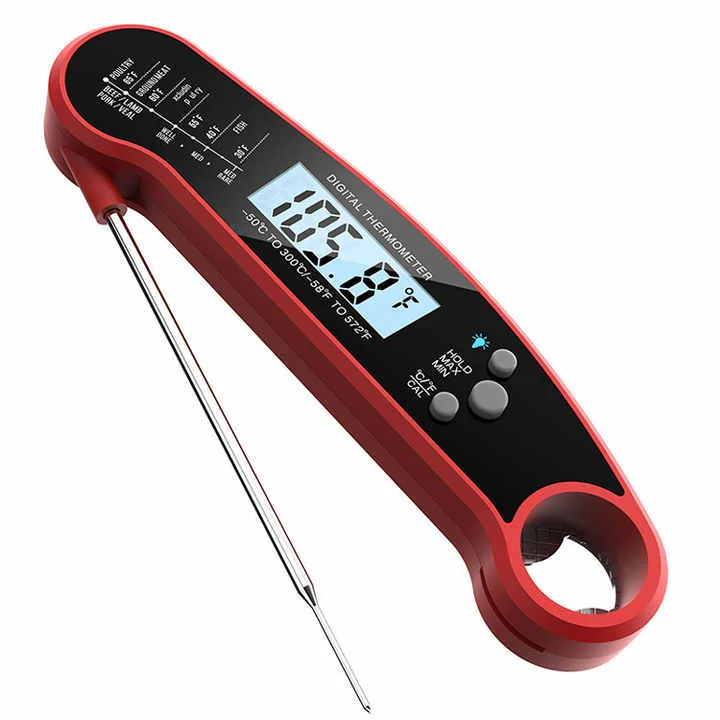
Image source: Web (Bing) / manuals.plus (Web image (fair-use with source credit))
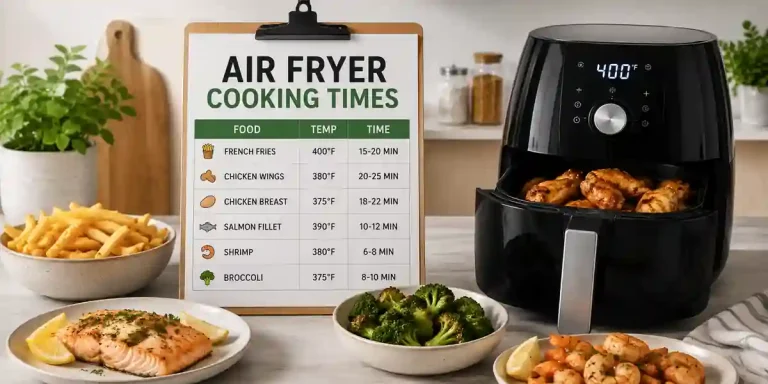
Carryover cooking matters too. If you pull patties at 155°F and rest them for 5 minutes, they'll climb to 160°F naturally. For a full breakdown of matching times to different foods, our air fryer cooking times guide covers the broader picture.
Pro Tips for Better Air Fryer Burgers
Small tweaks make a noticeable difference. Here are the ones that matter most.
- Use a wire rack insert if your basket has one. It lifts patties off the bottom, letting hot air circulate underneath for even browning.
- Smash a divot in the center of homemade patties. This stops them from puffing into a ball and keeps thickness consistent.
- Season right before cooking. Salt pulls moisture out of meat over time. Seasoning at the last minute keeps juices locked inside.
- Don't flip repeatedly. One flip halfway through the cook is enough. Constant flipping slows crust development.
- Brush lean patties with oil. A thin coat of olive oil on 93/7 ground beef prevents dry, crumbly results.
Safety First: Handling Ground Beef Responsibly
Ground beef is more susceptible to bacterial contamination than whole cuts. That's because grinding spreads surface bacteria throughout the meat. The USDA recommends cooking ground beef to 160°F to kill pathogens like E. coli and Salmonella.
Always wash your hands, cutting boards, and utensils after handling raw patties. Don't reuse plates that held raw meat. If you're cooking from frozen, thaw only in the refrigerator, never on the counter.
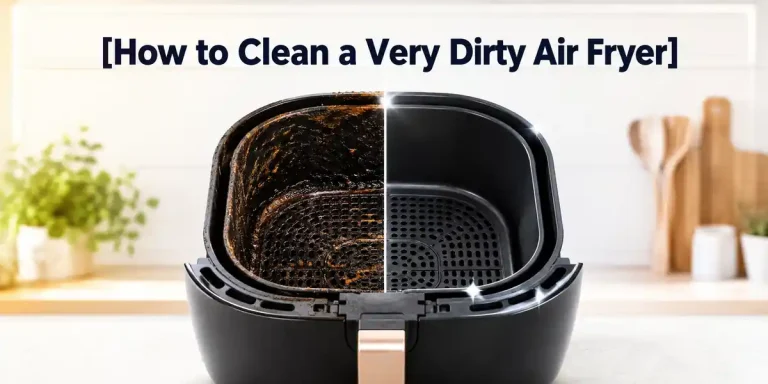
A clean basket helps too. Grease buildup can cause smoking and off-flavors. If you've noticed residue collecting, here's how to remove grease from your air fryer properly.
Frequently Asked Questions
Can I cook smash burgers in an air fryer?
Technically yes, but results are disappointing. Smash burgers need high-surface contact with a hot griddle to develop their signature crunchy lacy edges. The air fryer's forced convection can't replicate that.
Use a cast iron skillet instead.
Do I need to spray the basket?
Yes, a light coating of cooking spray prevents sticking and helps browning. Use avocado or canola oil spray. Avoid aerosol non-stick sprays containing lecithin, which can leave a sticky residue on the basket coating over time.
Can I cook multiple patties at once?
You can, but only if they fit in a single layer with space between them. Two standard 4-ounce patties usually fit in a 6-quart basket. Three is pushing it.
Overcrowding traps steam and ruins the crust.
Why are my burgers dry every time?
You're likely overcooking. Pull them at 155°F and rest for 5 minutes. Also check your fat content.
Anything leaner than 85/15 will dry out faster in the air fryer's rapid circulation.
The Verdict: A Solid Option, Not a Replacement for the Grill
The air fryer makes a genuinely good burger in under 20 minutes with almost zero cleanup. It handles frozen patties better than any other indoor method. For small households and busy weeknights, it's hard to beat.
But it won't replace your grill or your cast iron skillet. The air fryer can't produce a deep sear or smoky flavor. If you want those, cook outside or on the stovetop.
Otherwise, set the temperature to 375°F, grab your thermometer, and enjoy a fast, juicy burger that beats drive-thru every time.