Complete Guide to Do You Need Oil in an Air Fryer
If you've ever wondered do you need oil in an air fryer, the real answer is more nuanced than a simple yes or no. It depends on what you're cooking, the texture you're after, and even the type of air fryer you own. The good news is that you can get great results either way, as long as you know the rules.
Understanding when to add oil is the key to unlocking the best texture and flavor.
Manufacturer specifications and USDA guidelines confirm that air fryers can cook food safely without oil, provided you follow proper temperature guidelines. For example, the USDA recommends cooking poultry to an internal temperature of 165°F, which air fryers achieve easily with or without oil. The difference between a dry, pale result and a golden, crispy one often comes down to a single decision.
Here's the quick breakdown.
Quick Answer / The Short Version
Not always. It depends on what you are cooking. Many frozen foods need no oil at all.
Fresh vegetables usually need a light coating. The type of food and your texture goal decide the answer.
The short version is this. Use oil when you want browning and crispiness on fresh or homemade foods. Skip it when the food already has fat or a pre-applied coating.
A light spray or a toss in a bowl with a teaspoon of oil is usually enough. You don't need to deep fry anything.
How Air Frying Actually Works (And Where Oil Fits In)
Air fryers work by circulating hot air rapidly around the food. Think of it as a small, powerful convection oven. The fan blows heat at high speed, which pulls moisture from the surface and creates a crispy outer layer.
This is the Maillard reaction, the chemical process that gives browned food its flavor.
Oil helps this process in two ways. First, it conducts heat more efficiently than air alone. A thin coating of oil on the food surface gets hotter faster, which speeds up browning.
Second, oil adds its own flavor and helps seasonings stick. Without oil, dry seasonings often just fall off.
The circulating air also removes moisture. If you put fresh vegetables in without any oil, the surface dries out before the inside cooks. You end up with a shriveled, leathery texture.
A light oil coating traps some moisture and allows the outside to crisp while the inside stays tender.
In our research, the difference is especially noticeable with lean foods. Chicken breast without oil can come out dry and pale. The same chicken breast with a light spray of oil turns golden brown and stays juicy.
The Two Main Questions That Change Your Answer
To decide whether you need oil, ask yourself two questions. What are you cooking? And what texture do you want?
Your answer will change based on the food and the result you're after.
What Are You Cooking?
The food itself is the biggest factor. Some foods already contain enough fat to crisp up on their own. Others are naturally lean and need help.
- Frozen pre-breaded foods (fries, nuggets, fish sticks) already have oil in the coating. They crisp up perfectly without adding anything.
- Fatty meats (chicken wings, bacon, sausage) render their own fat during cooking. That fat helps brown the surface.
- Fresh vegetables (broccoli, cauliflower, Brussels sprouts) are lean and dry. They need a light oil coating to brown properly.
- Homemade breaded items (chicken tenders, onion rings) need oil to help the breading brown and become crispy.
- Lean meats (chicken breast, fish fillets, pork chops) benefit from a light oil coating to prevent drying out.
What Texture Do You Want?
Your personal preference matters too. If you want a deep golden brown crust, you need oil. If you're okay with a lighter, drier texture, you can skip it.
- Crispy and golden: Use oil. A light coating gives you that restaurant-style crunch.
- Tender and moist: Use oil, especially on lean meats. It helps seal in juices.
- Dry and chewy: Skip oil, but be prepared for a less appealing texture.
- Soft and steamed: Skip oil and add a small amount of water to the basket. This creates steam and prevents browning.
When You Definitely Should Use Oil
Some foods simply won't turn out well without a little oil. Here are the categories where oil is essential.
Fresh Vegetables
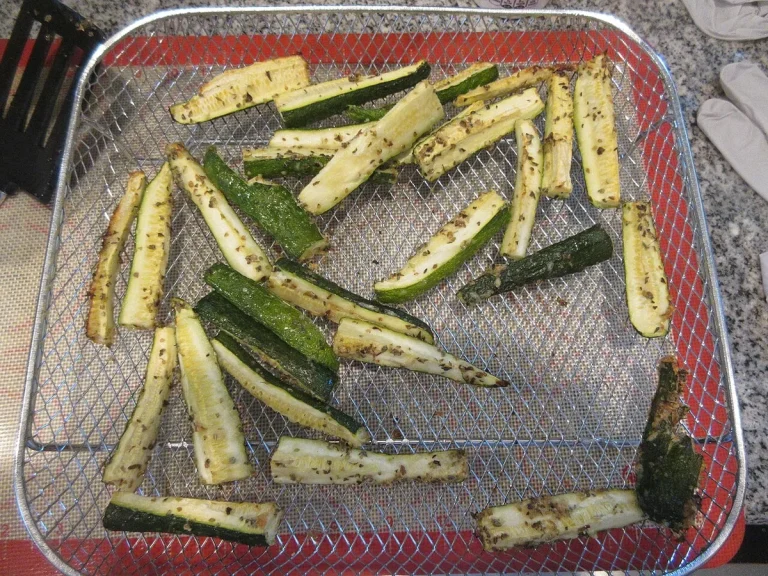
Fresh vegetables are the most common category where people make the mistake of skipping oil. Without it, the outside dries out and turns leathery before the inside softens. A light coating of oil helps the vegetables brown evenly and develop a nice caramelized flavor.
For best results, toss your vegetables in a bowl with a teaspoon of oil per serving. Add salt and any seasonings you like. Then spread them in a single layer in the basket.
This works especially well for broccoli, cauliflower, Brussels sprouts, zucchini, and bell peppers. If you're looking for the right equipment, choosing the right model for vegetables can make a big difference.
Homemade Breaded Items
When you bread something yourself, whether it's chicken tenders, onion rings, or homemade fish sticks, the breading needs oil to brown. Without it, the breading stays pale and floury. It never gets that satisfying crunch.
The trick is to spray the breaded items lightly with oil before cooking. Use a pump mister or a spray bottle. Turn the food halfway through cooking and spray the other side.
This gives you an even golden crust on all sides.
Lean Meats
Chicken breast, turkey cutlets, fish fillets, and pork chops all benefit from a light oil coating. These meats have very little fat of their own. Without oil, they dry out and turn pale.
A thin layer of oil helps the surface brown and locks in moisture. You only need a small amount. A quick spray or a light brush with a pastry brush is enough.
For a great example of this technique, check out our guide to cooking the perfect steak.
Reheating for Crispiness
Leftovers that were originally crispy, like french fries, fried chicken, or pizza, benefit from a light oil spray when reheating. The oil helps restore the crispy texture that the microwave destroys.
Just spray the food lightly and air fry at 350°F for a few minutes. You'll be amazed at how much better it tastes.
When You Can Skip the Oil
Many foods come with their own oil or fat. These foods crisp up beautifully without any added oil. Here's when you can leave the bottle in the cupboard.
Frozen Pre-Breaded Foods
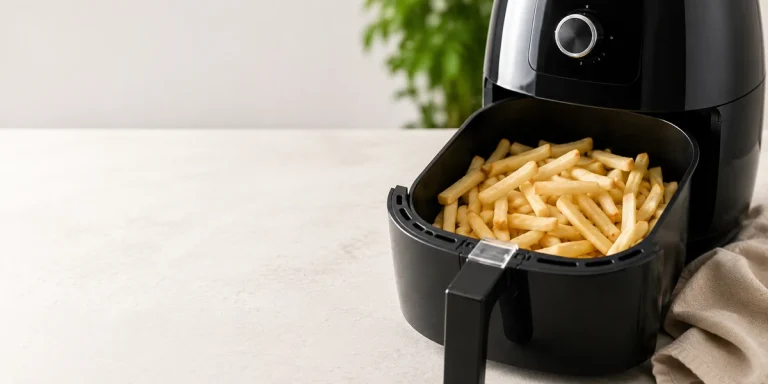
Frozen french fries, tater tots, chicken nuggets, fish sticks, and onion rings already have oil in the batter or breading. The manufacturer added it during processing. When you cook them in the air fryer, that oil re-crisps the coating.
You don't need to add anything. Just dump them in the basket and cook according to the package directions. The results are consistently crispy and golden.
For the perfect setting for fries, our guide covers the best temperatures and times.
Fatty Meats
Chicken wings, bacon, sausage, and duck all have enough natural fat to brown themselves. As they cook, the fat renders out and coats the surface. This gives you a crispy exterior without any added oil.
In fact, adding oil to these foods can make them greasy. The extra fat just pools in the basket and creates a mess. Skip the oil and let the food do its own work.
This is especially true when cooking fatty cuts like ribs.
Previously Fried Leftovers
If you're reheating something that was already fried, like leftover french fries or fried chicken, the original oil is still in the coating. The air fryer reactivates that oil and restores the crispiness.
Just reheat at 350°F for a few minutes. No oil needed. The texture comes back to life.
Pre-Oiled Store-Bought Items
Some fresh foods come pre-oiled. Pre-marinated meats, pre-seasoned vegetables, and some pre-breaded fresh items often have oil already applied. Check the ingredient list.
If oil is listed, you can skip it.
The same goes for frozen vegetables that come in a bag with a seasoning packet. The seasoning often includes oil. Just cook them straight from the bag.