Guide to How Long Do You Put Brats in the Air Fryer
You've got a pack of brats and a countertop air fryer staring at each other. Maybe it's game day. Maybe it's a Tuesday and you just don't want to fire up the grill.
The question on your mind is simple: how long do you put brats in the air fryer so they come out juicy, snappy, and fully cooked? It's not a trick question, but the answer depends on one critical factor most people overlook: whether your brats are raw or pre-cooked.
That single detail changes everything. Cook a raw brat the same way you'd reheat a smoked one, and you'll bite into either a rubbery casing or a dangerously undercooked center. In our research, we found that the most common air fryer brat complaints swirl around dry texture and uneven cooking.
Both trace back to the same root cause: treating all brats like they're identical. They're not.
Manufacturer specifications and USDA guidelines give us a clear picture. As of 2026, the USDA recommends cooking all ground meats, including sausages like bratwurst, to a safe internal temperature of 160°F. That's the standard we'll lean on throughout this guide.
Let's break down exactly what your air fryer needs to do to get you there.
Quick Answer
Cook raw brats at 375°F for 12 to 15 minutes. Flip them halfway through. Pre-cooked brats need just 8 to 10 minutes at 350°F.
Frozen raw brats run longer, about 15 to 18 minutes at 375°F. Always check the internal temperature hits 160°F. Use an instant-read thermometer for accuracy.
Let brats rest for 2 to 3 minutes before serving. That locks in the juices and makes the casing snappy.
The Decision Tree: Raw, Pre-Cooked, or Frozen?
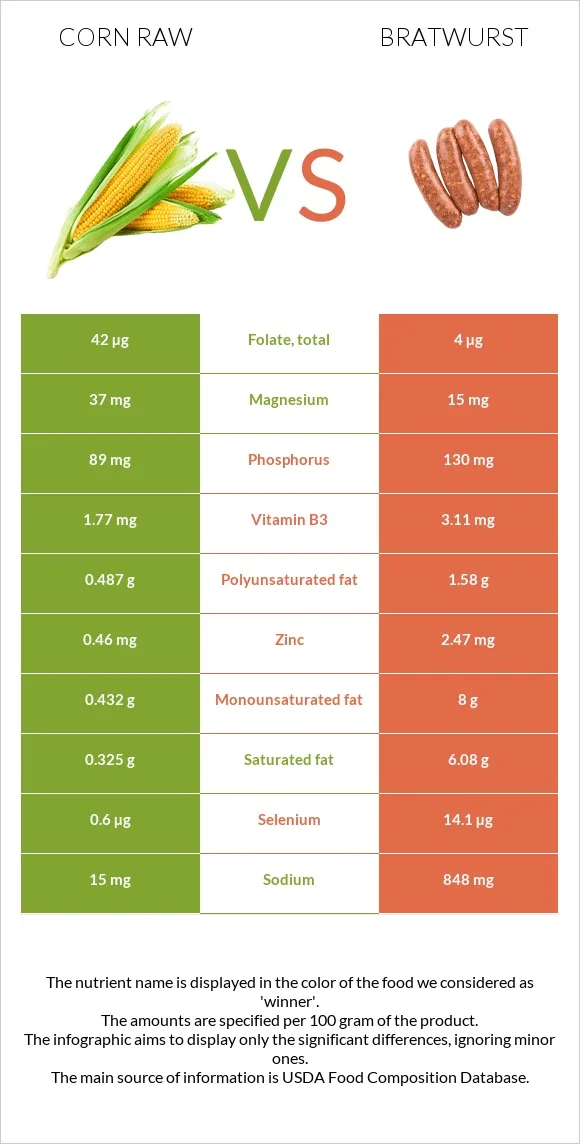
Image source: Web (Bing) / foodstruct.com (Web image (fair-use with source credit))
Here's where that crucial branching happens. Look at your packaging. It tells you everything.
Raw Brats: The Full Cook-Through (12–15 Minutes at 375–400°F)
Fresh raw bratwurst looks pale pink and feels soft to the touch. These are uncooked sausages made from fresh ground pork and seasonings. They need a complete cook-through to be safe to eat.
If your brats are raw, set your air fryer to 375°F. Place them in a single layer with a little space between each link. Cook for 12 to 15 minutes, flipping once at the halfway mark.
The exact time depends on thickness, so rely on your thermometer over the clock.
Pre-Cooked Brats: Just Heat Them Through (8–10 Minutes at 350°F)
Pre-cooked or smoked brats look darker, often reddish-brown, and they're fully cooked before they ever hit your basket. Your job is just reheating them to a serving temperature. Think of it like warming up leftovers rather than cooking dinner.
Drop the temperature to 350°F and cook for 8 to 10 minutes. You'll know they're ready when the casing tightens and they feel firm to the touch. The internal temperature should reach 140°F or hotter for best serving quality.
Frozen Brats: Thaw First or Extend the Time (15–18 Minutes at 375°F)
Frozen brats are the wild card. Try to cook them straight from the freezer and you'll likely end up with a browned exterior and a cold, raw core. Thaw them overnight in the refrigerator whenever possible.
If you're in a hurry, use your air fryer's defrost function or a cold water bath. Once thawed, follow the raw brat cooking times. In a pinch, you can cook frozen brats directly, but plan for 15 to 18 minutes at 375°F, and check the center temperature carefully.
What Affects Cooking Time Beyond the Basics
Even after you've identified your brat type, several other variables shift the final numbers. Air fryer models vary in wattage, airflow, and heating patterns. That 12-minute timer on one machine might run 14 on another.
Air Fryer Type: Basket vs. Oven-Style
Basket-style air fryers circulate heat aggressively from above and below. They cook faster and create a crisper casing. Oven-style models, sometimes called air fryer toaster ovens, have more interior space but heat less directly.
They usually need an extra 2 to 3 minutes to achieve the same result.
If you own an oven-style air fryer, start at the higher end of your time range and check frequently. The trade-off is capacity: you can fit more brats in a single layer, which means better airflow and more consistent browning across the batch.
Size, Thickness, and Casing Type
Standard bratwurst links run about 6 inches long and weigh roughly 4 ounces. But you'll find thinner breakfast links and plump, gourmet brats that tip the scales near 6 ounces each. Thicker links need more time.
Natural casings, made from animal intestines, crisp up beautifully in an air fryer. They can also split if the heat comes on too fast. Synthetic casings hold their shape better but won't get as shatteringly crisp.
Start your sausages in a preheated air fryer to get the best casing texture without overdoing the interior.
Quantity and Overcrowding
Air fryers work by circulating hot air around every surface. The moment you stack brats or cram them tight, that circulation stops. Overcrowding leads to pale, steamed sausages with uneven cooking.
Cook brats in a single layer with at least half an inch between each link. For a standard 5-quart basket, that means 3 to 4 brats per batch. Feeding a crowd?
Work in batches. The finished ones stay warm in a 170°F oven while the rest cook.
Step-by-Step: How to Make Perfect Air Fryer Brats
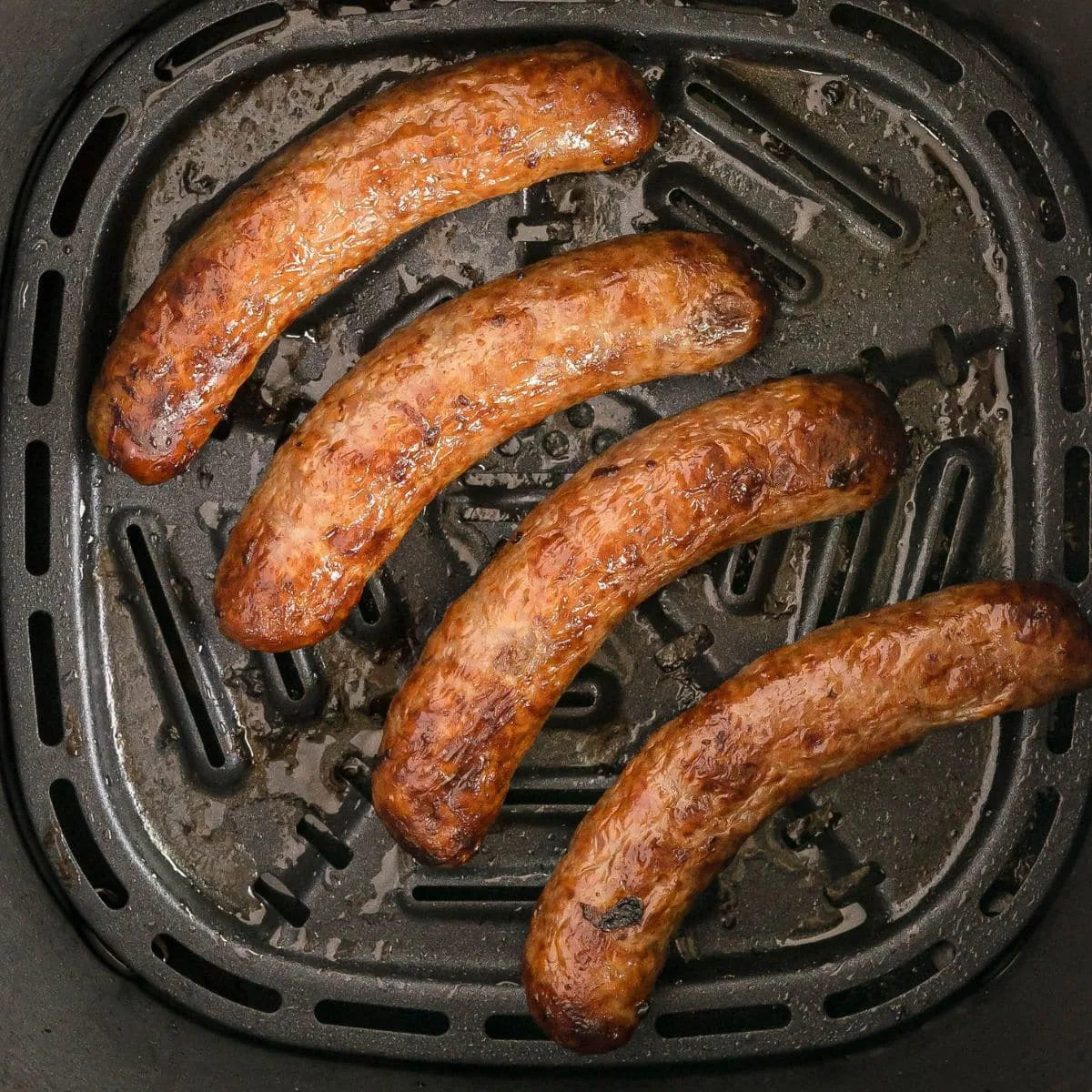
Image source: Web (Bing) / balancingmotherhood.com (Web image (fair-use with source credit))
A quick word on preheating. Many air fryers need 3 to 5 minutes to reach the set temperature. If your model has a preheat button, use it.
If not, just run the basket empty at your target temperature for a few minutes before adding the brats.
Prepping the Brats (Prick or Don't Prick?)
Here's a long-standing debate. Pricking brats with a fork releases steam and reduces splitting, but it also lets juices escape. That means drier meat.
For an air fryer, skip the pricking.
The intense dry heat firms the casing faster than a grill would. Splitting is less of an issue. If you're nervous, use a quick spray of cooking oil on each brat instead.
It promotes browning and helps the casing crisp without drying out the interior.
Arranging, Flipping, and Checking for Doneness
Place your brats directly in the basket. No parchment paper, no foil, no tucking them into buns. They need maximum exposure to the circulating air.
Set your timer for half the estimated total time. When it dings, flip each brat with tongs. That ensures even browning on all sides and prevents a hot spot from developing where the sausage rests against the basket.
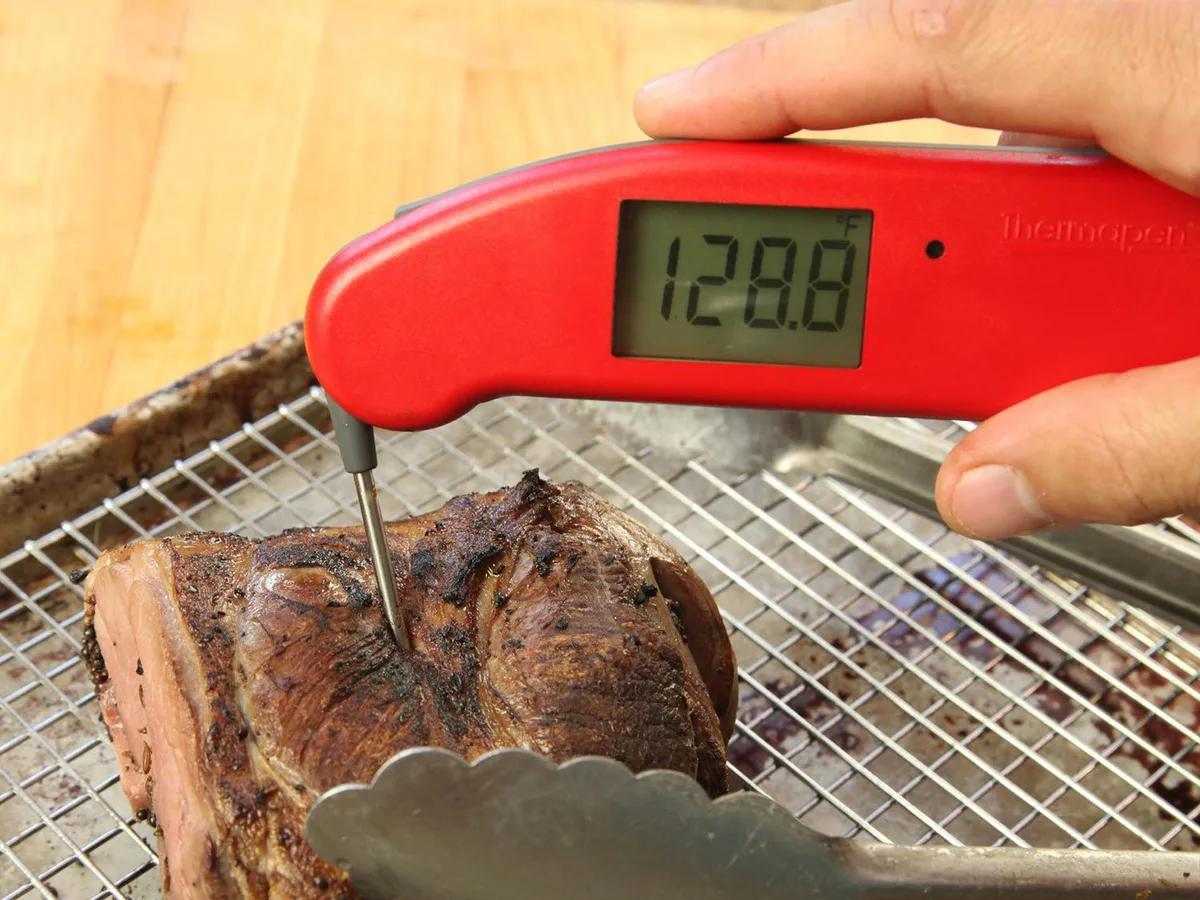
Image source: Web (Bing) / seriouseats.com (Web image (fair-use with source credit))
The thermometer is non-negotiable. Insert it into the center of the thickest brat, away from the casing's edge. For raw pork sausages, you need 160°F.
For pre-cooked, you're targeting 140°F or higher. If you're not there yet, pop the basket back in for a couple more minutes.
Resting and Serving (Bonus: Toasting the Buns)
Rest your brats for 2 to 3 minutes after pulling them from the air fryer. The internal temperature climbs another few degrees during this window, and the juices redistribute. Skip this step and you'll lose a chunk of that moisture onto the plate.
While the brats rest, toast your buns. Split them open and lay them cut-side down in the air fryer basket. Run the unit at 350°F for 2 to 3 minutes.
In our experience, this single step elevates the whole meal. A crisp bun holds the sausage and your favorite toppings without going soggy.
If you're looking for a thorough clean-up routine afterward, our guide on removing grease from your air fryer covers the easiest methods to keep your basket in top shape. A clean basket also makes the next batch of brats taste better.
Common Mistakes That Ruin Brats (And How to Dodge Them)
The biggest mistake is skipping the thermometer. Brats look the same at 140°F and 175°F, but one is safe and the other is dry. Rely on temperature, not appearance.
Another common error is cranking the heat to 400°F to rush the cook. High heat browns the outside fast while the inside lags behind. You'll get a dark, stiff casing and a lukewarm center.
Stick with 375°F as your sweet spot for raw brats.
Not flipping is its own problem. The side resting against the basket absorbs more heat, and you'll end up with uneven browning. Set a timer for halfway through and make the flip a habit.
Consistent rotation is the cheapest upgrade to your air frying technique.
Finally, don't walk away. Air fryer cooking times are shorter than oven times, and the window between perfectly done and overcooked is narrow. Set alarms, check temperatures, and stay nearby until you're confident in your specific machine.