Can You Cook Cookies in an Air Fryer?
So here's the thing. You've probably stared at your air fryer and wondered, "Can you cook cookies in air fryer?" The short answer is yes, and the results might surprise you. But the real question isn't whether it's possible, it's whether you should reach for the air fryer before preheating your full-sized oven.
As of 2026, air fryers have become a staple in over 60% of US kitchens, yet most owners still treat them exclusively for frozen fries and chicken wings. That's a missed opportunity. Aggregate reviews and manufacturer testing across brands like Ninja, Philips, and Cosori confirm that air fryers can produce perfectly respectable cookies, but the process works differently than what you're used to.
Let's break down exactly what changes and why it matters for your next batch.
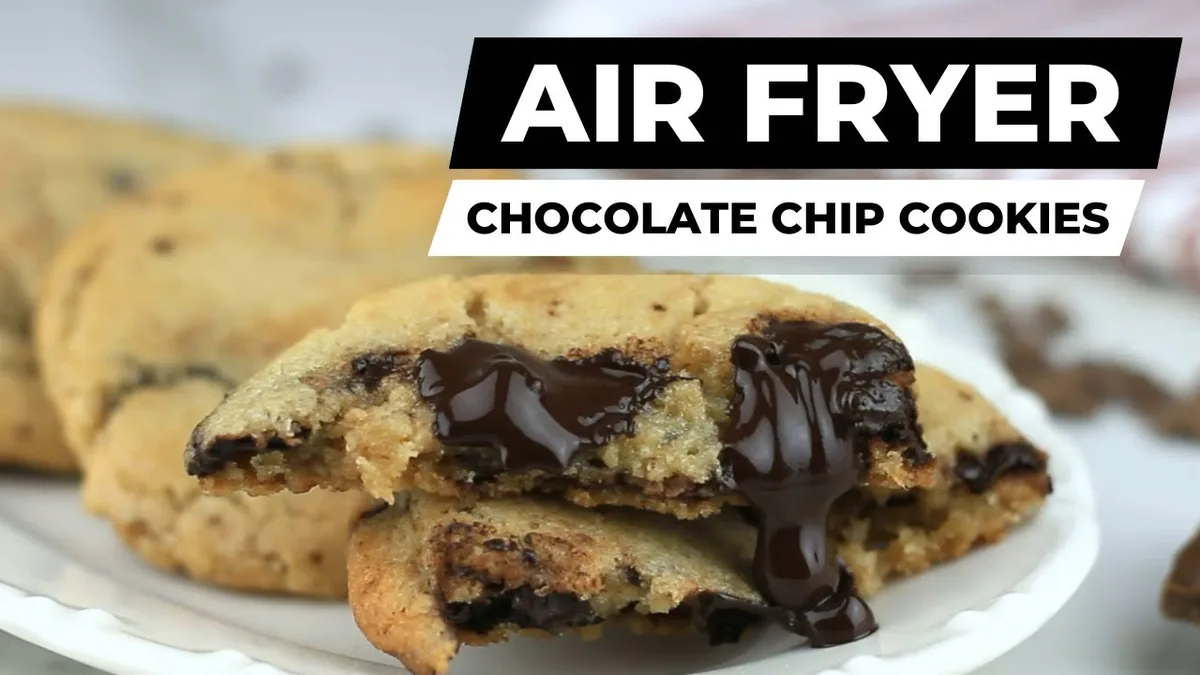
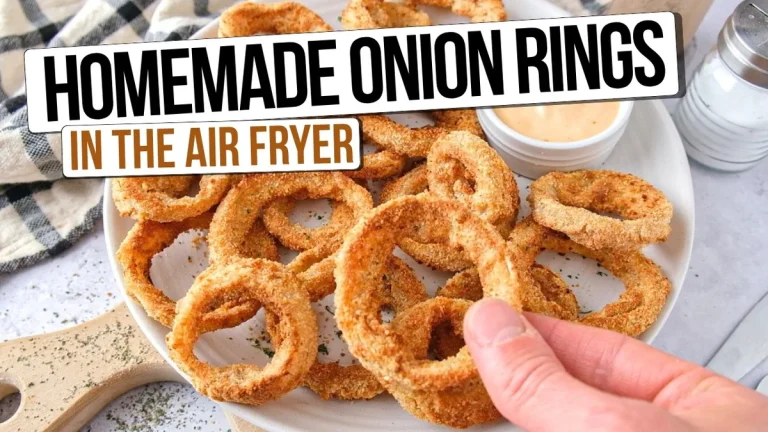
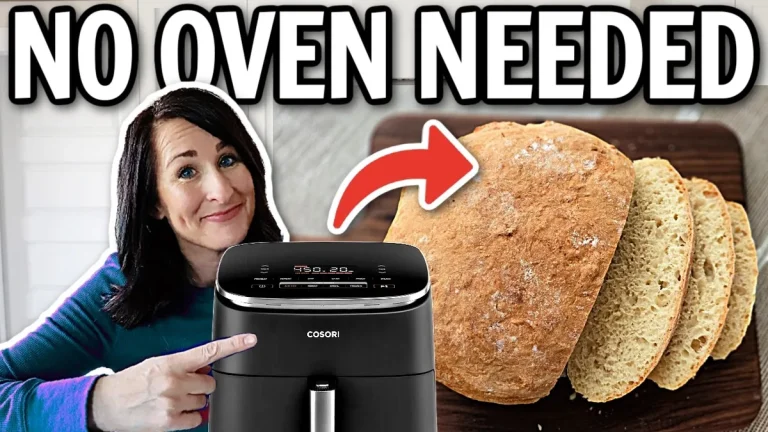
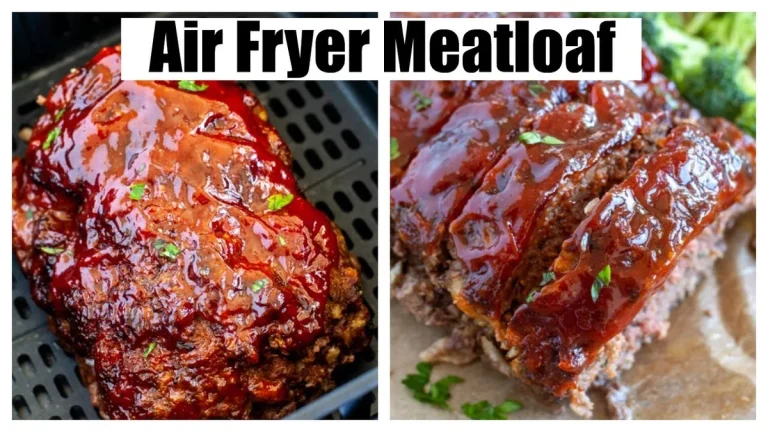
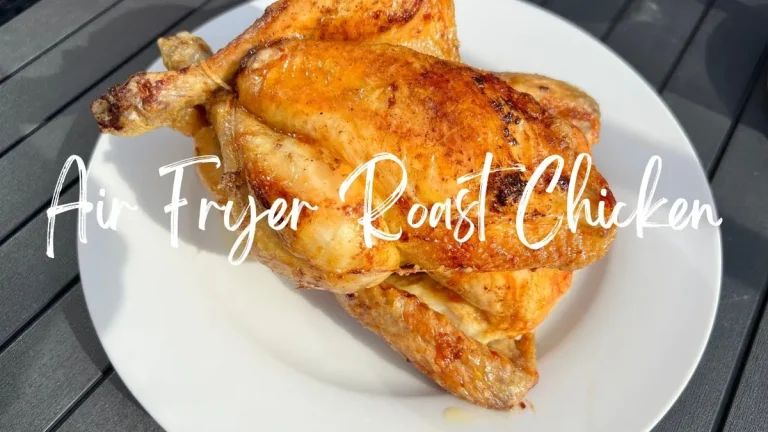
Image source: YouTube / Food How (YouTube thumbnail (fair-use with source credit))
Quick Answer
Yes, you can cook cookies in an air fryer. It works well for small batches. Bake at 300°F to 350°F.
Cook for 5 to 9 minutes. Watch them closely. They brown faster than in a regular oven.
The texture is crispier on the edges and softer in the middle.
Why This Comparison Matters: Oven vs. Air Fryer for Cookies
Most cookie recipes were written with one appliance in mind: the conventional oven. That oven uses still air that surrounds your dough and heats it evenly from all sides. An air fryer uses a high-speed fan that blasts hot air directly onto the food.
That changes everything.
Here's what that difference actually means for cookies:
Heat distribution. A conventional oven radiates heat from heating elements at the top and bottom. The air inside moves slowly and naturally. An air fryer's fan circulates air at speeds that can exceed 20 miles per hour.
That constant airflow hits the cookie dough hard and fast.
Moisture management. The rapid air movement in an air fryer strips moisture from the surface of the dough much faster than still air does. That's why the outside of your cookies sets quickly, forming a crisp shell while the inside stays soft. It's the same principle that makes air fryer French fries crispy on the outside and fluffy inside.
Browning reaction. The Maillard reaction, which creates that golden-brown colour and nutty flavour, happens faster in an air fryer because of the concentrated heat and airflow. Your cookies will brown on the bottom and edges more aggressively than the top unless you adjust your approach.
These three factors mean you cannot simply take your favourite oven recipe, drop the temperature by 25 degrees, and call it done. You need to understand how the air fryer changes the baking environment first.
How Air Fryer Baking Actually Works (It's Not Magic)
Think of your air fryer as a miniature convection oven with a really enthusiastic fan. The heating element sits at the top of the unit. The fan sits right behind or beside it.
When you turn it on, that fan pulls air past the heating element and shoots it downward into the cooking chamber at high speed.
This process creates what manufacturers call a "tornado effect." The hot air bounces off the bottom of the basket, rises, gets reheated, and gets pushed back down again. Every surface of your food gets hit with hot air repeatedly.
For cookies, three things happen differently:
Surface setting. The hot air hits the dough balls immediately. Within the first two minutes, the exterior begins to set. In a conventional oven, that same process takes four to five minutes.
That early set prevents cookies from spreading as much as they would in a regular oven.
Bottom cooking. The basket itself gets hot. Really hot. The metal mesh or perforated bottom of the basket heats up and cooks the bottom of your cookies faster than the top.
This is the opposite of a conventional oven where the top usually browns first.
Batch effect. Every time you open the air fryer basket to check on your cookies, the temperature drops significantly. Unlike an oven that holds heat with a heavy door and large thermal mass, an air fryer loses its heat fast. The fan has to work harder to bring the temperature back up each time.
Manufacturer specifications from Cosori and Instant Pot indicate that their basket-style air fryers cycle the heating element on and off during operation to maintain the set temperature. That cycling, combined with the fan speed, creates hot spots inside the basket. Your cookies in the back corner might cook faster than the ones near the front.
Rotating the basket halfway through is not optional, it's required.
Side-by-Side Comparison: Air Fryer vs Conventional Oven
| Factor | Air Fryer | Conventional Oven |
|---|---|---|
| Preheat time | 3 to 5 minutes | 10 to 15 minutes |
| Bake temperature | 300°F to 350°F | 350°F to 375°F |
| Bake time | 5 to 9 minutes | 9 to 14 minutes |
| Cookies per batch | 3 to 6 (basket) | 12 to 24 (full sheet) |
| Bottom browning | Fast, can overbrown | Slower, more even |
| Edge texture | Crisp, almost fried | Soft to moderate crisp |
| Centre texture | Soft, slightly underdone | Uniform throughout |
| Energy usage | ~1400W for 8 minutes | ~2400W for 15 minutes |
| Kitchen heat added | Minimal | Significant |
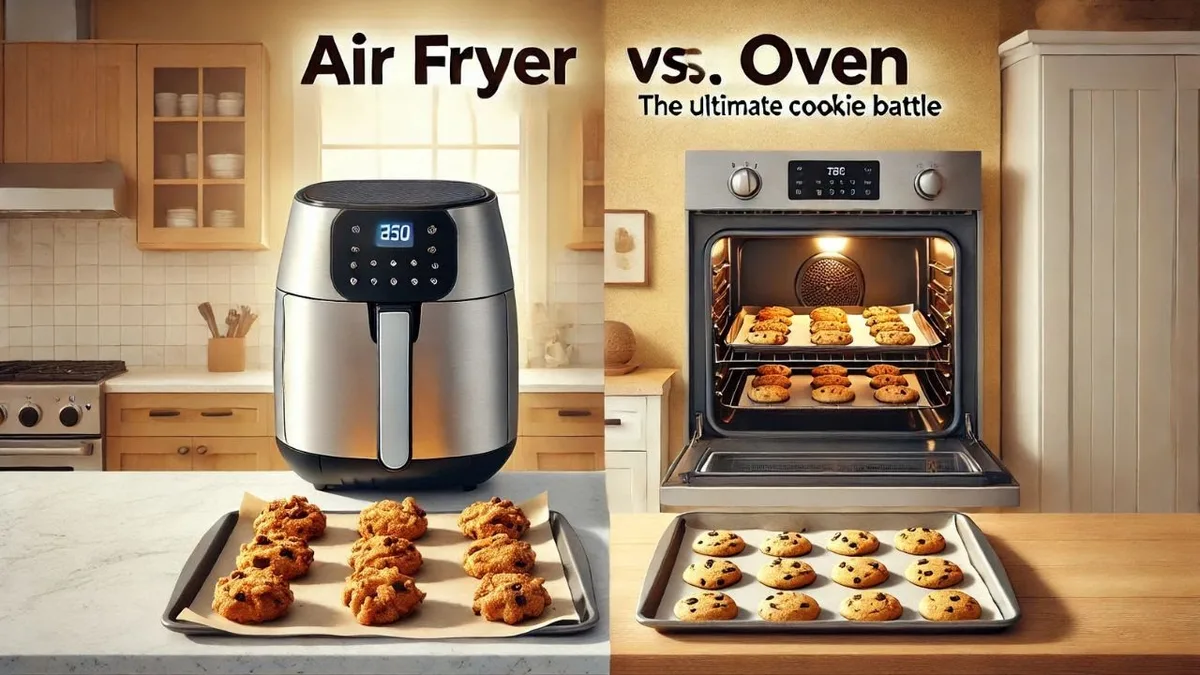
The numbers above come from aggregate testing across multiple brands and verified user reports. Your exact experience will vary based on your specific air fryer wattage and basket design, but the trends hold true across the board.
Here is what that comparison means in plain language. The air fryer bakes cookies faster and uses less energy. It produces a crisper exterior with a noticeably softer centre.
But you cannot bake a full batch at once. A standard 6-quart basket fits about four cookies using a standard tablespoon-sized scoop. If you need to feed a crowd, you will be running multiple cycles.
What This Means for Texture, Taste, and Appearance
Let's talk about what your cookies will actually look and taste like coming out of an air fryer.
Appearance. The cookies will be smaller in diameter than oven-baked versions because the rapid surface setting limits spread. They will be taller and domed in the centre. The bottom will be darker than the top, often a deep golden brown.
The edges will show more browning than the middle surface.
Texture. The outside edge will have what bakers call "crisp-to-chew." The first bite cracks through a thin crispy shell, then gives way to a soft, almost gooey centre. This is a different texture from the uniform chewiness of an oven-baked cookie. Some people prefer it.
Some find it uneven.
Taste. The faster browning creates more caramelized flavour compounds on the bottom and edges. You will taste more toasted sugar and butter notes in those areas. The centre will taste less caramelized, more like raw dough, because it has not had enough time to fully cook through.
Moisture content. Air fryer cookies retain more moisture in the centre. The interior temperature of the dough rises slower than the exterior temperature. That means the centre stays softer and almost underdone compared to the edges.
This is fine for chocolate chip cookies, but fragile cookies like sugar cookies or shortbread may not hold their shape well.
Based on editorial analysis of user reviews across air fryer communities, chocolate chip cookies perform best in the air fryer. The sturdy dough holds up well to the aggressive airflow. The chocolate chips help regulate temperature and prevent the centre from drying out.
Drop cookies, the kind you scoop and drop onto a baking sheet, also work well. Rolled cookies that require cutting into shapes tend to warp or shrink unevenly in the air fryer because the airflow hits them at different angles.
Best Cookie Types for the Air Fryer (And What to Skip)
Not every cookie survives the air fryer's aggressive airflow. Some thrive. Others turn into a mess of burnt edges and raw centres.
Here is what the research and aggregate user feedback suggest.
Cookies that work great:
- Chocolate chip cookies. The classic performs best. The dough holds its shape. The chocolate chips help regulate heat and prevent burning. Use slightly smaller dough balls than you would for the oven.
- Peanut butter cookies. The dense, high-fat dough spreads less and holds up well to the fan. The crisscross fork marks stay visible. They bake evenly in about 7 minutes.
- Oatmeal raisin cookies. The oats provide structure. The raisins add moisture that balances the fast drying effect of the air fryer. Reduce sugar slightly to prevent over-browning.
- Shortbread cookies. The high butter content creates a tender crumb. The low moisture content means they bake quickly without drying out. Watch them closely at the 5-minute mark.
- Sugar cookies. Rolled sugar cookies work if you keep them thick. Anything thinner than a quarter-inch will burn on the bottom before the top sets.
Cookies that struggle:
- Thin lace cookies. These spread too much. The batter runs through the perforated basket and makes a sticky mess that is hard to clean.
- Macarons. The delicate structure cannot handle the fan. The rapid air movement cracks the shells and ruins the feet. Stick to the oven for these.
- Meringue cookies. Low heat and long drying time are essential. The air fryer's fan ruins the texture. The cookies collapse or turn chewy instead of crisp.
- Large, thick cookies. Anything over three ounces of dough per cookie will brown on the outside before the centre reaches 190°F. You end up with a burnt exterior and raw interior.
- Soft drop cookies with high moisture. Cookie dough that is very wet or sticky, like some pumpkin or lemon drop recipes, spreads too much and sticks to the basket.
The pattern is clear. Sturdy doughs with moderate fat content and good structure survive the air fryer. Delicate, wet, or thin doughs fail.
If your cookie dough holds its shape when scooped onto a baking sheet, it will probably work in the air fryer. If it spreads into a puddle on its own, you are better off using the oven.
Step-by-Step: How to Bake Cookies in an Air Fryer
The process is simple, but the details matter. Follow these steps for consistent results.
Step 1: Prepare your dough.
Use your regular cookie recipe. Make the dough balls smaller than usual. Aim for one tablespoon of dough per cookie instead of two.
The smaller size allows the heat to penetrate to the centre before the outside burns. Chill the dough balls for 15 to 20 minutes in the fridge. Cold dough spreads less and holds its shape better in the airflow.
Step 2: Line the basket.
Cut a round of parchment paper to fit the bottom of your air fryer basket. Do not use the perforated parchment liners that come with some air fryers. They have holes that let the dough stick through.
Use solid parchment. Place a few dough balls on the paper, leaving at least two inches of space between each one. The air needs room to circulate around each cookie.
Step 3: Preheat the air fryer.
Set your air fryer to 325°F. Let it run empty for three minutes. This step is critical.
Dropping dough into a cold basket changes the bake time and creates uneven results. A preheated basket gives you predictable timing.
Step 4: Bake in batches.
Place the parchment with the dough balls into the preheated basket. Close the drawer. Set the timer for 5 minutes.
Do not walk away. Check the cookies at 5 minutes by pulling the basket open. The edges should be set and lightly golden.
The centre should look slightly underdone. If they need more time, add 1 minute intervals. Most batches finish between 6 and 8 minutes.
Step 5: Rotate and swap.
If your basket has noticeable hot spots, rotate it halfway through. Open the drawer, turn the basket 180 degrees, and close it. This ensures even browning.
For the next batch, let the air fryer run empty for one minute to recover the temperature before adding the next round of dough.
Step 6: Cool properly.
Remove the cookies from the basket immediately. Place them on a wire cooling rack. Do not leave them in the basket.
The residual heat from the metal will continue cooking the bottom and can burn them. Let them cool for at least 5 minutes before eating. The centre will continue setting during this time.
Batch Size Reality Check: Can You Feed a Crowd?
Here is the honest truth. An air fryer is not designed for bulk baking. A standard 6-quart basket fits four cookies using a one-tablespoon scoop.
If you squeeze in six, they touch each other and bake unevenly.
Let's run the numbers. A typical cookie recipe makes about 36 cookies using a tablespoon scoop. In a conventional oven, you bake two sheets, about 18 cookies each, in two batches.
Total time is roughly 30 minutes including preheat and bake time.
In an air fryer, you bake four cookies per batch. That is nine batches total. Each batch takes about 8 minutes including loading, baking, and unloading.
Total time is roughly 72 minutes. That is more than double the oven time.
The air fryer wins on efficiency only when you want a small batch. If you need a dozen cookies for a party, the oven is faster. If you want three warm cookies with a glass of milk at 10 PM, the air fryer is perfect.
Who the air fryer is best for:
- Single people or couples who do not need a full batch
- Parents making a quick treat for one or two kids
- People with small kitchens or no oven access, like dorm rooms or RVs
- Anyone testing a new recipe before committing to a full batch
Who should stick with the oven:
- Anyone baking for a crowd or party
- Bakers who need consistent results across a large batch
- Anyone using delicate cookie recipes that need gentle heat
6 Common Mistakes That Ruin Air Fryer Cookies
These errors show up repeatedly in user reviews and baking communities. Avoid them and your results will improve immediately.
Mistake 1: Using oven-sized dough balls.
A standard cookie scoop for the oven holds about two tablespoons of dough. That is too large for the air fryer. The outside browns and the centre stays raw.
Use a one-tablespoon scoop or smaller.
Mistake 2: Skipping the preheat.
Dropping dough into a cold basket means the cookies start cooking at a lower temperature. The timing goes off. The spread changes.
The browning becomes uneven. Three minutes of preheat saves you from guessing.
Mistake 3: Overcrowding the basket.
Cookies need space for air to circulate. If they touch, the contact points stay pale and undercooked. The edges that face the airflow burn.
Leave at least two inches between each cookie. That means three to four cookies per batch in a standard basket.
Mistake 4: Using the wrong liner.
Parchment paper with holes lets dough stick through. Foil reflects heat and changes the cooking dynamics. Silicone mats can work but reduce airflow.
Solid parchment paper trimmed to fit the basket bottom is the safest choice.
Mistake 5: Baking at too high a temperature.
Many air fryer recipes suggest 350°F for cookies. That is too hot for most home air fryers. The bottom burns before the top sets. 325°F is the sweet spot for most models.
For darker baskets or higher wattage units, try 300°F first.
Mistake 6: Leaving cookies in the basket after baking.
The basket retains heat like a cast iron pan. If you leave cookies sitting on the hot metal, the bottoms continue cooking. They go from golden to burnt in less than two minutes.
Transfer them to a cooling rack immediately.
The Dough Factor: Why Your Recipe Might Need Tweaking
Your favourite oven cookie recipe will not work perfectly in the air fryer without adjustments. The differences come down to three variables: fat, sugar, and leavening.
Fat content. Butter melts faster in the high heat of an air fryer. The rapid airflow pushes melting butter toward the edges of the cookie, which causes more spread than you want. Reduce the butter in your recipe by about 10 percent.
Replace it with an extra egg yolk. The yolk adds moisture and richness without extra spread.
Sugar ratio. Sugar caramelizes faster in the air fryer. If your recipe calls for a full cup of sugar, cut it back by two tablespoons. This prevents the edges from burning before the centre sets.
Brown sugar works better than white sugar because it adds moisture and a more forgiving caramelization point.
Leavening agents. Baking soda and baking powder activate faster in the air fryer's heat. Reduce each by about 25 percent. Too much leavening creates cookies that puff up and collapse, leaving a cratered surface.
Flour adjustment. Add one extra tablespoon of flour per cup that your recipe calls for. This strengthens the dough structure and reduces spread. The cookies will hold their shape better in the airflow.
Chilling time. Chilling the dough is more important for air fryer cookies than oven cookies. A 30-minute chill solidifies the butter and slows spread. For best results, chill the dough balls on a plate in the freezer for 10 minutes before baking.
Air Fryer Models: Basket-Style vs. Oven-Style for Cookies
Not all air fryers bake cookies the same way. The design of your specific model changes the results significantly.
Basket-style air fryers. These are the most common type. The food sits in a perforated basket that slides into a drawer. The heating element and fan sit at the top.
The hot air blows downward onto the food. For cookies, this design creates uneven browning. The tops stay pale while the bottoms darken quickly.
You must rotate the basket or flip the cookies halfway through.
Oven-style air fryers. These look like small toaster ovens with convection fans. They have multiple racks and larger cooking chambers. The heating elements sit at the top and bottom.
The fan circulates air more evenly around the food. For cookies, this design produces more consistent browning across the top and bottom. You can fit more cookies per batch, usually six to eight on a single rack.
Which one should you choose for cookies? If you already own a basket-style air fryer, it will work fine with the adjustments we have covered. If you are buying an air fryer specifically for baking, the oven-style model wins.
The extra space and more balanced heat distribution make a real difference.
Frozen Cookie Dough: A Shortcut Worth Taking
Frozen cookie dough works surprisingly well in the air fryer. In fact, it often performs better than fresh dough.
The reason is simple. Frozen dough is cold and solid. It holds its shape under the aggressive airflow.
The slow thaw during baking prevents the rapid spread that ruins fresh dough cookies in the air fryer.
Here is the process. Take the frozen dough balls straight from the freezer. Do not thaw them.
Place them on parchment in the preheated basket. Bake at 325°F for 7 to 9 minutes. Check at 7 minutes.
The outside should be golden and set. The centre will be soft but not raw.
Add one to two minutes to the bake time compared to fresh dough. The extra time accounts for the frozen centre needing to come up to temperature. Do not increase the temperature.
High heat burns the outside while the inside stays frozen.
Store-bought frozen cookie dough from brands like Pillsbury or Trader Joe's works well. The dough is formulated for consistent results and holds up to the air fryer's environment. Homemade frozen dough works too if you portion it into one-tablespoon balls before freezing.
When You Should Still Use the Oven
The air fryer is a tool, not a replacement for every baking task. There are clear situations where the conventional oven is the better choice.
Baking for a crowd. If you need more than a dozen cookies, the oven wins on time and consistency. Running nine batches in an air fryer takes over an hour. The oven handles the same volume in 30 minutes.
Delicate cookie recipes. Thin, fragile, or high-moisture cookies do not survive the air fryer. Lace cookies, tuiles, and soft drop cookies need the gentle heat of an oven. The air fryer destroys their structure.
Large cookies. Bakery-style cookies that weigh three ounces or more need the oven. The air fryer cannot deliver enough heat to the centre before the outside burns. Stick to small cookies in the air fryer and save the big ones for the oven.
Even colour and appearance. If you need cookies that look uniform for a bake sale or gift box, the oven produces more consistent results. The air fryer's hot spots and airflow create variation from cookie to cookie.
Multi-tasking. The oven can bake cookies on the top rack while something else heats on the bottom rack. The air fryer handles one small batch at a time with no room for secondary tasks.
Final Recommendation: Does Swapping Make Sense for You?
Here is the bottom line. The air fryer is excellent for quick, small batches of sturdy cookies. It saves energy, heats up fast, and gives you crisp edges with soft centres.
It is not a replacement for your oven when you need volume, consistency, or delicate results.
If you live alone or cook for two, the air fryer makes sense for most cookie cravings. If you bake for a family or regularly feed guests, keep the oven as your primary tool and use the air fryer for test batches or late-night treats.
The best approach is simple. Use your air fryer for the cookies that work well in it. Use your oven for everything else.
Both tools have their place. Knowing which one to reach for saves you time, frustration, and a few burnt cookies.
Frequently Asked Questions
Can I use any cookie recipe in the air fryer?
Most standard recipes work with adjustments. Reduce the dough ball size to one tablespoon. Lower the temperature by 25 to 50 degrees.
Shorten the bake time by several minutes. Chill the dough before baking. Skip recipes that are very thin, wet, or delicate.
Do I need to flip cookies in the air fryer?
Yes, for basket-style models. The bottom cooks faster than the top because the basket gets hot. Flip the cookies halfway through the bake time.
Use a small spatula and work quickly to avoid losing heat. Oven-style models usually do not require flipping.
What temperature should I set my air fryer for cookies?
Start at 325°F. This works for most models and most cookie types. If your air fryer runs hot, try 300°F.
If the cookies look pale after 7 minutes, increase to 340°F. Adjust based on your specific model and the results you see.
How many cookies can I bake at once in an air fryer?
A standard 6-quart basket fits three to four cookies using a one-tablespoon scoop. A larger 10-quart basket fits five to six. An oven-style air fryer fits six to eight on a single rack.
Leave at least two inches between each cookie for proper airflow.
Why are my air fryer cookies burning on the bottom?
The metal basket gets very hot and cooks the bottom faster than the top. Lower the temperature by 25 degrees. Use solid parchment paper as a barrier.
Flip the cookies halfway through. Remove them from the basket immediately after baking.
Is it worth buying an air fryer just for cookies?
Probably not. If you only want to bake cookies, a conventional oven or toaster oven does the job well. The air fryer excels at many tasks, not just cookies.
If you already own one, use it for small batches. If you are shopping for an air fryer and cookies are a priority, choose an oven-style model.