How to Bake a Turkey in an Air Fryer: A Complete Guide
You're staring at a 14-pound turkey on the counter. Your air fryer sits on the counter too. The question hits you: can you bake a turkey in an air fryer and actually have it turn out well?
Maybe you want to free up the oven for sides. Maybe you live in a small apartment and an air fryer is your main cooking appliance.
The short answer is yes, but with serious limits. According to USDA whole poultry cooking guidelines and manufacturer specifications as of 2026, most home air fryers top out at birds under 12 pounds. Basket-style models often max out closer to 8 pounds.
That matters more than any recipe will tell you. Let's walk through what actually works and what doesn't.
Quick Answer
Yes, you can bake a turkey in an air fryer. Only birds under 12 pounds work well. Basket models max out at 8 pounds.
Spatchcocking or cooking parts is the best approach. Expect cook times around 7 to 10 minutes per pound at 350°F.
The First Question Nobody Asks: Will It Even Fit?
This is the make-or-break question, and most people skip it. They see a photo of a golden-brown turkey in an air fryer basket and assume their unit can handle the same. In reality, the answer depends entirely on which type of air fryer you own.
Basket Style vs. Oven Style Air Fryers
Air fryers fall into two categories, and they handle turkey very differently.
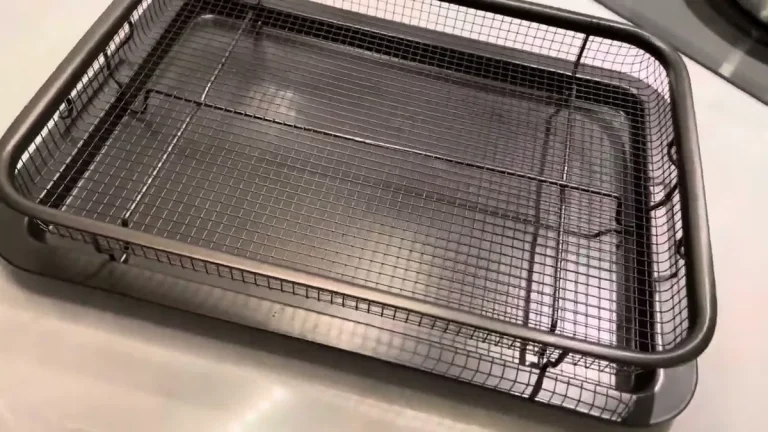
Basket-style air fryers (the ones that look like a high-tech toaster with a pull-out drawer) are the most common. They typically hold 3 to 6 quarts of volume. That translates to a maximum turkey weight of about 8 to 10 pounds, and only if you spatchcock the bird.
A whole, untrussed turkey simply will not fit in a standard 5.8-quart basket. The lid won't close, or the bird touches the heating element, which leads to burnt skin and undercooked meat.
Oven-style air fryers (the ones that look like a small countertop oven with racks and often a rotisserie function) give you more room. These units can handle a 12 to 14 pound turkey, especially if you spatchcock it or use the rotisserie rod. The internal dimensions matter more than the advertised quart capacity here.
Measure the height and width of your oven-style unit before you buy a bird.
The 12-Pound Turkey Myth (and the Reality)
A common misconception is that any air fryer can handle a typical Thanksgiving turkey. That's not true. The average grocery store turkey weighs between 12 and 16 pounds.
Most air fryers can't accommodate that unless you butcher the bird into parts or buy a smaller one.
If you want to cook a whole turkey in an air fryer, here are your real options:
| Air Fryer Type | Max Whole Turkey Weight | Best Method |
|---|---|---|
| Basket style (3-6 qt) | 8 lbs | Spatchcocked or parts only |
| Basket style (6-10 qt) | 10 lbs | Spatchcocked |
| Oven style (10+ qt) | 12-14 lbs | Spatchcocked or rotisserie |
| Large oven style with rotisserie | 14 lbs | Rotisserie whole |
The takeaway is straightforward. Measure your basket or rack space. Compare it to the turkey's dimensions.
If it doesn't fit with at least an inch of clearance on all sides for air circulation, you need a different plan. That might mean buying a smaller bird, cooking parts, or going back to the oven.
Fresh or Frozen? Thawing Is Your First Decision Branch
Once you confirm the turkey fits, the next big decision is whether it's fresh or frozen. This determines your timeline and your safety margin. Frozen birds require planning.
Fresh birds require immediate attention.
Thawing Timelines and Safety Rules
If your turkey is frozen, you must thaw it completely before it goes into the air fryer. A partially frozen bird cooks unevenly. The outside burns while the inside stays dangerously cold.
That's a food safety risk.
The USDA recommends thawing in the refrigerator. Allow 24 hours of thaw time for every 4 to 5 pounds of turkey. A 10-pound bird needs about 2 to 2.5 days in the fridge.
Do not thaw on the counter at room temperature. That invites bacterial growth.
Cold water thawing works in a pinch. Submerge the turkey in its original packaging in cold water. Change the water every 30 minutes.
Allow 30 minutes of thaw time per pound. That same 10-pound bird takes about 5 hours using this method. Cook it immediately after.
Never thaw a turkey in hot water or leave it out overnight. Those shortcuts lead to uneven cooking and potential foodborne illness.
Why a Partially Frozen Bird Is a Disaster Waiting to Happen
Air fryers cook fast. That's their main selling point. But fast cooking punishes a frozen core.
The outer layers hit 165°F while the interior barely reaches 100°F. You end up with dry, overcooked breast meat and a raw, unsafe thigh. An instant-read thermometer catches this, but the damage is already done.
The bird spent too long in the danger zone between 40°F and 140°F.
Your best move is to check the internal temperature in multiple spots before you commit to cooking. If the thigh reads below 32°F, it's still frozen inside. Wait.
Thaw completely. Your patience pays off in safe, evenly cooked meat.
The Two Real Ways to Cook a Turkey in an Air Fryer
You have three legitimate paths forward. Each one depends on your air fryer type and your comfort level with butchering.
Option A: Spatchcocked Whole Turkey (The Best Bet)
Spatchcocking means removing the backbone and flattening the bird. This does two things. It reduces the overall height so the turkey fits in the basket.
And it creates a flatter, more even surface for the hot air to hit. The result is faster, more uniform cooking with crispier skin.
This method works in most oven-style air fryers and larger basket models. A 10 to 12 pound spatchcocked turkey takes 70 to 90 minutes at 350°F. Compare that to 3 to 4 hours in a conventional oven.
The time savings are significant.
You need kitchen shears or a sharp boning knife to remove the backbone. It's straightforward. We'll cover the exact steps in the next section.
Option B: Turkey Parts Only (The Safe Bet for Small Baskets)
If your air fryer is a standard 5.8-quart basket model, skip the whole bird entirely. Buy a turkey breast, legs, thighs, or drumsticks instead. Parts cook faster, fit easily, and give you more control over doneness.
A bone-in turkey breast takes about 25 to 30 minutes per pound at 350°F. A single drumstick cooks in 25 to 35 minutes total. Thighs need 20 to 25 minutes.
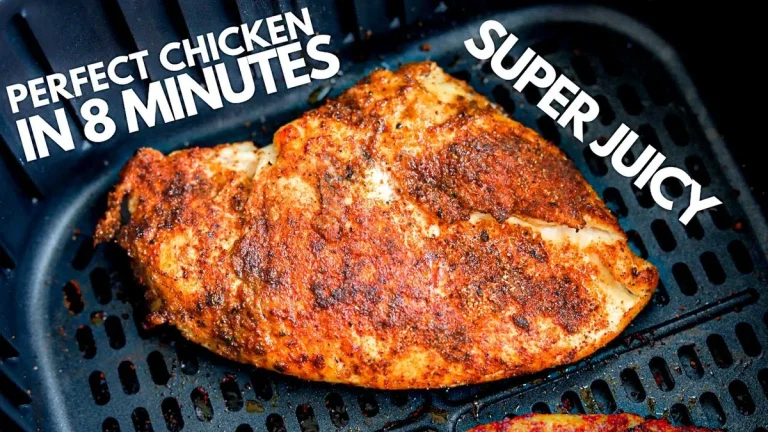
The skin crisps beautifully because nothing is crowded in the basket.
This option solves the fit problem completely. You get all the flavor of a roasted turkey without the stress of wedging a whole bird into a too-small basket.
Option C: Rotisserie Whole Turkey (If Your Model Supports It)
Some oven-style air fryers come with a rotisserie rod and forks. This is the closest you'll get to a traditional rotisserie chicken, only with a turkey. The bird rotates slowly, self-basting in its own juices.
The skin turns evenly crispy all around.
A rotisserie turkey works best for birds under 10 pounds. Anything larger puts too much strain on the motor. You also need to truss the bird securely so the wings and legs don't flop loose during rotation.
Rotisserie cooking takes a bit longer than the spatchcock method. Figure 12 to 15 minutes per pound at 325°F. But the even browning and juicy meat make it worthwhile if your unit supports it.
Step-by-Step: How to Spatchcock and Fit a Turkey in a Basket
This method gets the most out of your air fryer. It works for any whole turkey under 10 pounds in a basket model and under 14 pounds in an oven-style model.
Tools You'll Need
- Kitchen shears (heavy-duty ones work best)
- A sharp chef's knife
- Cutting board (large enough to hold the flattened bird)
- Paper towels
- Instant-read thermometer
- Mixing bowl for seasoning
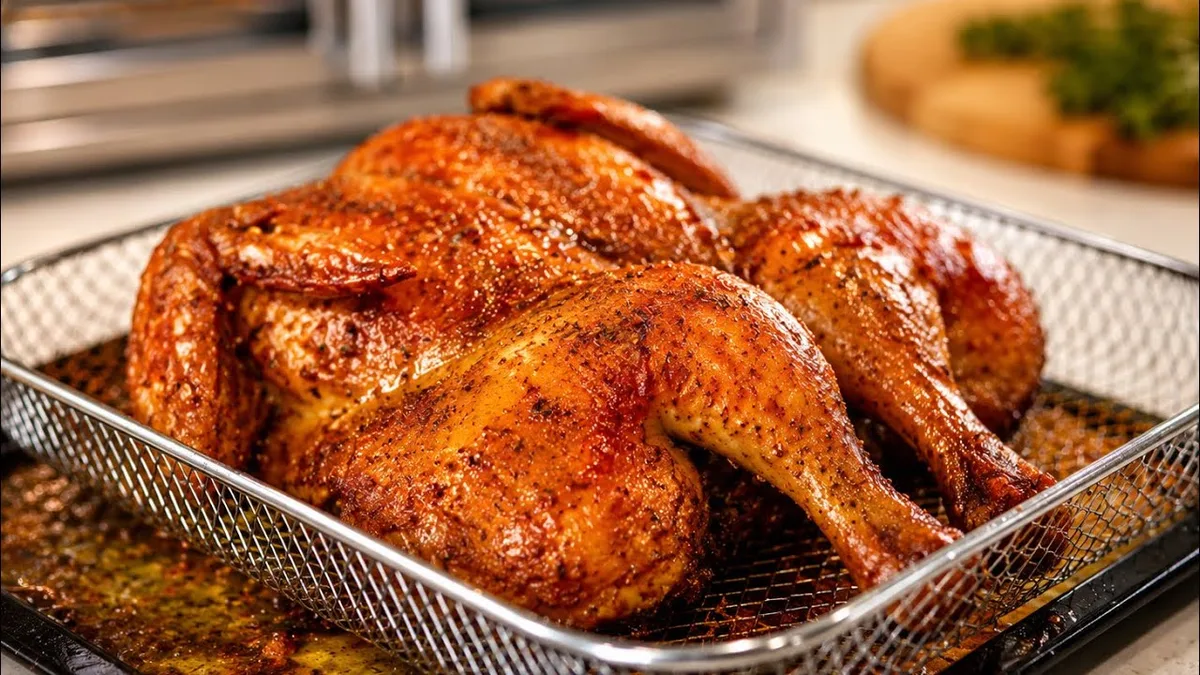
Image source: YouTube / Island Vibe Cooking (YouTube thumbnail (fair-use with source credit))
Butterflying the Bird Step by Step
Place the turkey breast-side down on the cutting board. Locate the backbone running from tail to neck. Using your kitchen shears, cut along one side of the backbone, from tail to neck.
Repeat on the other side. The backbone lifts out completely. Save it for stock if you like.
Flip the bird over. Press down firmly on the breastbone with the heel of your hand. You'll hear a crack.
The turkey flattens out. Tuck the wing tips behind the shoulders so they don't burn.
This takes about 5 minutes the first time. By the second attempt, you'll do it in 2 minutes.
Seasoning, Oiling, and Drying the Skin
Pat the skin completely dry with paper towels. Moisture is the enemy of crispy skin. Let the bird sit uncovered in the fridge for an hour or two if you have time.
That dries the skin further.
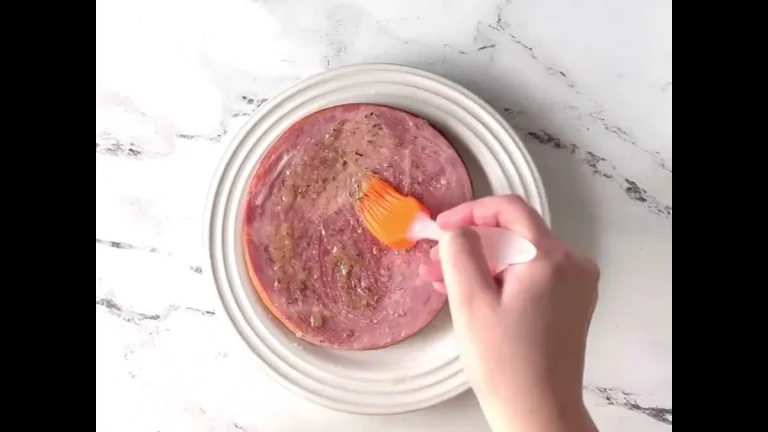
Rub oil or melted butter all over the skin. Use about 1 to 2 tablespoons. Season generously with salt, pepper, and any herbs you like.
Get seasoning under the skin too. Lift the skin gently and rub the seasoning directly onto the breast meat.
Preheat your air fryer to 350°F. Place the spatchcocked turkey into the basket, breast-side up. It should lie flat without touching the sides or the heating element.
If it doesn't fit, trim the wing tips or cut the bird into halves.
Cook for 7 to 10 minutes per pound. Check the internal temperature at the thickest part of the thigh. You're looking for 170°F to 175°F.
The breast should hit 155°F to 160°F. Carryover cooking brings it up to safe levels.
Image source: YouTube / Serious Eats (YouTube thumbnail (fair-use with source credit))
Temperature and Time: The Numbers That Actually Work
Getting the temperature right separates a great air fryer turkey from a dry, disappointing one. The hot circulating air cooks faster than a conventional oven, so you need to adjust your expectations.
Starting Hot (400°F for 10 Minutes)
A hot start crisps the skin. Set your air fryer to 400°F. Place the spatchcocked turkey in the basket.
Cook for exactly 10 minutes. The high heat sears the skin and gives it that golden, crunchy texture.
After 10 minutes, reduce the temperature to 350°F. This prevents the outside from burning while the inside finishes cooking.
Finishing at 325°F to 350°F
The remainder of the cook happens at 350°F for most air fryers. If your unit runs hot, drop to 325°F. A 10-pound spatchcocked turkey takes about 70 to 90 minutes total.
A turkey breast alone cooks in 45 to 60 minutes. Drumsticks and thighs finish in 25 to 35 minutes.
Here's a rough timing guide:
| Turkey Type | Weight | Air Fryer Temp | Approx. Cook Time |
|---|---|---|---|
| Spatchcocked whole | 8-10 lbs | 350°F | 70-90 min |
| Spatchcocked whole | 10-12 lbs | 350°F | 90-110 min |
| Bone-in breast | 4-6 lbs | 350°F | 45-60 min |
| Drumsticks | 2-3 lbs | 375°F | 25-35 min |
| Thighs | 1-2 lbs | 375°F | 20-25 min |
Internal Temps and Carryover Cooking
The only reliable way to check doneness is with an instant-read thermometer. The USDA recommends 165°F for all poultry. But temperature matters by cut.
Breast meat dries out above 160°F. Thigh meat needs a higher temp to break down connective tissue.
Aim for these targets:
- Breast: 155°F to 160°F (carryover cooking adds 5-10°F)
- Thigh: 170°F to 175°F
- Stuffing (if used): 165°F minimum
Remove the turkey from the air fryer when the breast hits 155°F. Let it rest for 15 to 20 minutes, tented loosely with foil. The internal temperature continues rising during this rest.
The breast ends up at 160°F to 165°F. The juices redistribute. The meat stays moist.
Image source: YouTube / Butterball (YouTube thumbnail (fair-use with source credit))
The Biggest Mistakes People Make
Even with a perfect fit and correct temperature, a few common errors can ruin your air fryer turkey. Let's run through them so you can avoid the frustration.
Overcrowding the Basket
Air fryers work by circulating hot air around the food. If the basket is packed tight, air can't move. The turkey steams instead of roasting.
The skin stays pale and rubbery.
Leave at least an inch of space around the turkey on all sides. If the bird touches the basket walls or the heating element, it's too big. Cut it into parts or buy a smaller bird.
Using the Pop-Up Timer
Those plastic pop-up timers that come with some turkeys are unreliable. They measure surface temperature near the breast, not the deepest part of the thigh. By the time the pop-up fires, the breast is often overcooked.
Throw the pop-up timer away. Use a good instant-read thermometer. It's the only tool that tells you the truth about doneness.
Not Checking the Thickest Part of the Thigh
The thigh is the last part to come to temperature. If you only check the breast, you might pull the bird too early. The thigh could still be undercooked.
Insert the thermometer into the thickest part of the thigh, away from the bone. Wait for the reading to stabilize. If it's below 170°F, give the bird more time.
Skipping the Rest Period
Resist the urge to carve immediately. A hot turkey fresh from the air fryer is still cooking internally. Slicing into it releases all the juices onto the cutting board.
The meat turns dry.
Rest the turkey for 15 to 20 minutes. Tent it loosely with foil to keep it warm. The internal temperature climbs 5 to 10 degrees during this time.
The meat relaxes. The juices redistribute. Every slice stays moist.
Decision Guide: Should You Air Fry Your Turkey This Year?
This comes down to your situation. Not every cook is a good match for the air fryer method.
You should air fry your turkey if:
- You're cooking for 2 to 6 people. A 10-pound bird is plenty.
- You live in an apartment or have limited oven space. The air fryer handles the main course while the oven bakes sides.
- You want crispy skin without deep frying. Air circulation delivers better browning than a standard oven.
- You're short on time. An air fryer cuts cook time roughly in half compared to a conventional roast.
You should stick with the oven if:
- Your turkey is over 12 pounds. It simply won't fit, even spatchcocked.
- You're feeding a crowd. Oven roasting handles larger birds more reliably.
- You prefer a more traditional, slower roast. The longer cook time can produce more tender dark meat in some cases.
When deep frying is still the better choice:
If your priority is the crispiest skin possible and you're willing to deal with the safety risks and oil cleanup, a propane deep fryer beats air frying. But for most home cooks, air frying offers a safer, less messy compromise.
If you decide to go ahead, check your air fryer's capacity first. Measure the basket. Compare it to the turkey's dimensions.
And consider whether spatchcocking feels doable. If all that lines up, you're ready.
Real-World Results: What to Expect from an Air Fryer Turkey
Let's talk honestly about how the finished bird looks and tastes.
Skin texture. The skin comes out noticeably crispier than an oven-roasted turkey. Not quite as crunchy as deep fried, but close. The key is drying the skin thoroughly before cooking and using the hot start at 400°F.
If you skip those steps, the skin will be chewy.
Meat moisture. White meat stays juicy when you pull it at 155°F and let it rest. Dark meat needs that higher thigh temperature to break down connective tissue. The fast cook time means less moisture loss overall compared to a long oven roast.
Aggregate user reviews consistently report juicier breast meat with the air fryer method.
Cook time savings. A 10-pound spatchcocked turkey takes about 80 minutes in the air fryer. The same bird in a conventional oven needs 2.5 to 3 hours. That's a real difference, especially when you're coordinating side dishes and trying to get everything on the table at once.
Appearance. The turkey will be evenly browned on top. The underside, where it sits on the rack, stays paler. That's normal.
A quick final sear under the broiler (if your air fryer has one) or a few minutes at 400°F can even it out.
Safety Checklist Before You Start
Air frying a turkey is safe, but you need to follow basic food safety rules. The heating element is close to the food. Grease splatter can happen.
Thermometer placement and types. Use a digital instant-read thermometer. Probe the thickest part of the thigh, away from the bone. Also check the breast and the wing joint.
The USDA sets the safe minimum at 165°F for all poultry, but we recommend letting breast meat rest until it reaches that temperature after carryover cooking. Never rely on the pop-up timer that comes with the bird.
Grease fire prevention. Turkey drips fat. In an air fryer, that fat can hit the heating element and cause smoking or flare-ups. Empty the drip tray halfway through cooking if it's getting full.
Keep the air fryer on a heat-safe surface. Never leave it unattended. If you see smoke, reduce the temperature slightly and check the drip tray.
Proper handling and cross-contamination. Raw turkey carries salmonella and campylobacter. Wash your hands thoroughly after handling the bird. Sanitize the cutting board, shears, and countertop with hot soapy water or a diluted bleach solution.
Do not wash the turkey itself. That splatters bacteria around the kitchen.
If you're unsure about any step, the USDA's poultry safety guidelines offer clear, trustworthy information.
The Verdict: Yes, But Only If You Match the Bird to Your Basket
Here's the bottom line. Can you bake a turkey in an air fryer? Yes.
But only if the turkey fits, you spatchcock it or use parts, and you follow the temperature guidelines.
The air fryer excels for small birds under 12 pounds. It saves time. It delivers crispy skin and juicy meat.
It frees up your oven for sides. For many home cooks, especially those with small kitchens or smaller gatherings, it's a genuinely useful method.
For larger birds or traditionalists, the conventional oven remains the better tool. And for the crispest skin possible, deep frying is still king. But for the most practical everyday approach to cooking a turkey, the air fryer deserves a spot in your holiday rotation.
Frequently Asked Questions
Can you cook a frozen turkey in an air fryer?
No. A frozen turkey cooks unevenly in an air fryer. The outside burns while the inside stays raw.
Always thaw the bird completely in the refrigerator before cooking. Allow 24 hours of thaw time per 4 to 5 pounds.
How long does it take to air fry a 10-pound turkey?
A spatchcocked 10-pound turkey takes 70 to 90 minutes at 350°F, plus a 15 to 20 minute rest. That's about half the time of a conventional oven roast. The exact time depends on your air fryer model and whether you start at a higher temperature.
Do you need to flip the turkey during cooking?
No flipping is required for a spatchcocked turkey. The hot air circulates around the entire bird. If you're cooking drumsticks or thighs, you can shake the basket halfway through for even browning.
For a rotisserie turkey, the rotation handles this automatically.
Can you stuff an air fryer turkey?
Not recommended. Stuffing blocks air circulation inside the cavity. That leads to uneven cooking and a food safety risk.
Cook stuffing separately in a dish or use the oven for traditional dressing. Your air fryer is better focused on the bird itself.
What size air fryer do you need for a whole turkey?
You need at least a 6-quart basket for an 8-pound spatchcocked turkey. For a 12-pound bird, use an oven-style air fryer with at least 10 quarts of capacity. Always measure the height and width of your basket against the turkey's dimensions before you buy the bird.