Guide to How Does a Air Fryer Works
So, how does a air fryer works? If you've ever pulled out a basket of crispy fries made with almost no oil, you've seen the results. But the magic behind it is simpler than you might think.
In our research, the average air fryer runs at 1200 to 1800 watts and pulls that power through a compact chamber that cooks food 20 to 30 percent faster than a standard oven. That speed comes from a focused heating element and a powerful fan. Once you understand the airflow, you'll know exactly why some foods turn out golden and others come out soggy.
Let's break it down.
Quick Answer
An air fryer is a small convection oven. A heating coil generates heat at the top. A high-speed fan blasts that hot air around the food.
The rapid circulation crisps the surface with little to no oil. That's the entire trick.
The Core Mechanism: How It Actually Works
The genius of the air fryer is not the frying. It's the air. The machine combines two simple components that work together to mimic the results of deep frying.
The Heating Element: Where the Heat Comes From
At the top of the cooking chamber, there's a metal heating coil. Think of it like the coil in a toaster, but positioned horizontally. When you turn the air fryer on, this coil radiates intense heat upward.
But heat alone won't crisp food. It just warms it. If you only had the coil, the food would cook unevenly.
The top would burn while the bottom stayed pale. That's where the second component comes in.
The High-Speed Fan: Why It's Different From a Regular Oven
Above that heating coil sits a powerful fan. This fan spins at a high speed, pulling air from the back of the unit, pushing it across the heating element, and then forcing it down around the food.
This is forced convection. A regular oven relies on still air, which moves slowly and unevenly. An air fryer moves that air fast enough to strip away the cool, moist boundary layer that forms on food.
That constant blast of hot, dry air is what pulls moisture from the surface and creates that crispy crust.
Here's a useful mental model:
- Regular oven: Hot air floats around lazily.
- Air fryer: Hot air whips around like a small tornado.
That tornado effect is why you don't need to flip a tray or rotate a baking sheet. The airflow reaches all sides of the food, though we'll get to the limitations later.
The Maillard Reaction: Why Food Gets Brown and Crispy
That rapid heat does more than just cook the food through. It triggers the Maillard reaction. That's the chemical process where amino acids and sugars react at temperatures above 285°F (140°C), creating the brown, flavorful crust you associate with frying.
In a deep fryer, hot oil transfers heat instantly to the surface. In an air fryer, the hot air does the same thing, just a bit slower. The result is a similar browning effect with about 70 to 80 percent less fat.
The key takeaway? The air fryer is essentially a mini convection oven with a fan that's positioned to optimize airflow. If you understand that, you understand how it works.
And if you're curious about whether you need to preheat before you drop food in, we've got a whole guide on whether preheating is actually worth it.
What's Inside: Anatomy of an Air Fryer
Not all air fryers are built the same. The internal layout affects how heat circulates, which changes your cooking results. Let's look at the two main designs.
Basket-Style vs. Oven-Style: The Two Main Designs
Basket-style air fryers are the most common. They have a pull-out drawer with a perforated basket sitting inside. The heating element and fan sit at the top, directly above the basket.
Air flows down through the holes in the basket, hits the bottom, and circulates back up.
Oven-style air fryers look like a small countertop convection oven. They have a door, wire racks, and often multiple heating elements. The fan sits in the back.
Air flows horizontally across the racks.
Each design has trade-offs.
| Feature | Basket-Style | Oven-Style |
|---|---|---|
| Airflow path | Top to bottom | Back to front |
| Crisping speed | Faster, more intense | Slower, more even |
| Capacity | Small, usually 2 to 6 quarts | Larger, can fit a whole chicken |
| Footprint | Compact | Takes more counter space |
| Versatility | Limited to basket cooking | Can bake, roast, and toast |
Key Components You Should Know About
Regardless of design, every air fryer shares a few core parts.
- Heating coil: The source of heat. Usually rated between 1200 and 1800 watts.
- High-speed fan: Pushes air across the coil and around the food.
- Cooking basket or tray: Holds the food with gaps for airflow.
- Control panel: Either analog dials or a digital display with presets.
- Ventilation grille: Exhaust vents that release hot air and steam.
The basket material also matters. Most use a non-stick coating, which makes cleaning easier. Some owners find that coating wears off over time.
If you're wondering whether your basket is safe to toss in the dishwasher, we've covered that in our guide on dishwasher-safe baskets.
How Airflow Patterns Affect Cooking
The airflow path explains why some air fryers cook more evenly than others. Basket-style units with a single top-mounted fan tend to create hot spots. Food near the top and edges cooks faster.
That's why most recipes tell you to shake the basket halfway through.
Oven-style units with a rear fan distribute heat more evenly, but they can't achieve the same intense crisping on the surface. Air moves slower, and food sits farther from the heat source.
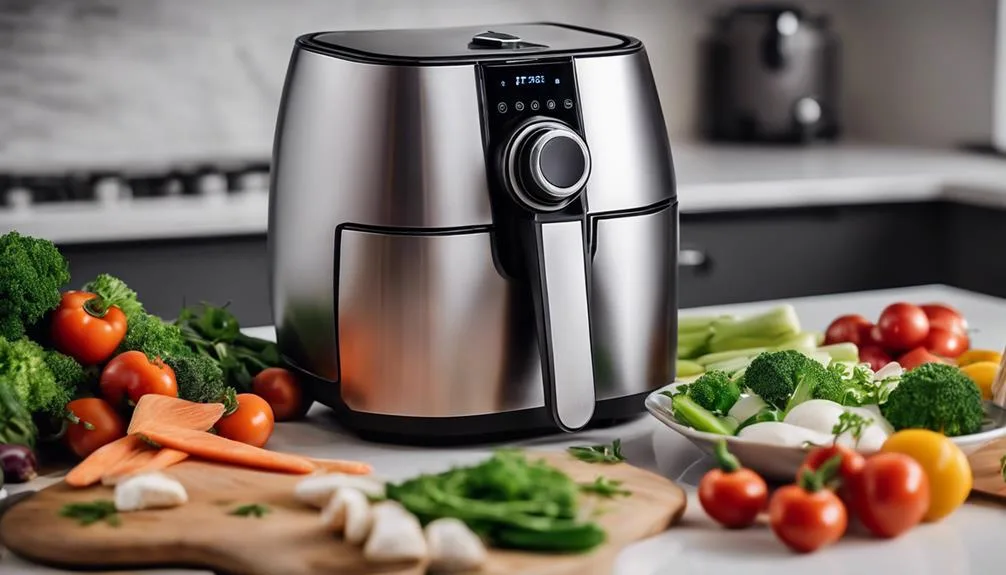
Image source: Web (Bing) / telescopictube.com (Web image (fair-use with source credit))
Most entry-level models land in the 1200 to 1500 watt range. As of 2026, the market has shifted toward 1700 watt units, which reach temperature faster and hold it better during the cooking cycle.
How Your Air Fryer Works Step-by-Step
Let's walk through an actual cooking cycle. Whether you're making frozen fries, chicken thighs, or vegetables, the process follows the same pattern.
Preheating: Do You Really Need To?
Some air fryers have a built-in preheat setting. Others just start the timer when you hit start. The difference matters.
Most modern air fryers recommend a 2 to 3 minute preheat. This gets the coil and the basket up to temperature before food goes in. Skipping preheat means the air starts cooler, extending the cook time and often producing less crispy results.
That said, some models are designed to cook directly from a cold start. Check your manual. If you're unsure, our research suggests a quick preheat never hurts.
You can also read our full breakdown on whether to preheat your air fryer.
Where to Place Food for Optimal Airflow
The single biggest mistake people make is overcrowding.
Air needs space to move. If you pack the basket full, the fan can't circulate that hot air around every piece. Food on the bottom steams instead of crisping.
The rule of thumb is to fill the basket to about 50 to 70 percent capacity.
For best results:
- Arrange food in a single layer.
- Leave gaps between pieces.
- Use an oil spray for even browning.
- Flip or shake halfway through.
This is especially critical for items like fries, which need air on all sides to crisp up. If your fries are coming out limp, the likely culprit is airflow, not temperature. We've covered this exact issue in our article on why fries don't always get crispy in the air fryer.
Shaking and Flipping: When and Why
Most recipes tell you to shake the basket at the halfway point. Here's why that works.
The fan creates a hot spot at the top. Food near the coil cooks faster. By shaking, you redistribute the pieces so each one spends some time in the hottest zone.
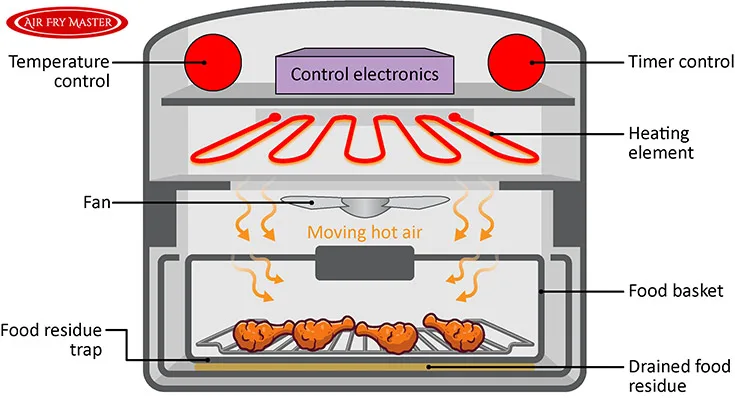
Image source: Bing (Web (fair-use with source credit))
A good rhythm is to shake once at the 50 percent mark. For items that don't tumble well, like chicken breasts or fish fillets, flip them with tongs instead.
How It Compares to Other Cooking Methods
The air fryer sits in a weird middle ground. It's not a fryer, and it's not really an oven. It's easier to understand its strengths when you see it side by side with the alternatives.
Air Fryer vs. Convection Oven
A convection oven uses the same principle of forced air. The difference is scale and intensity.
Convection ovens have a fan in the back, but the heating element is often hidden. The airflow is gentle. An air fryer's fan is much more aggressive relative to the chamber size.
That focused intensity is what makes the air fryer faster and better at crisping.
If you already have a convection oven, you can achieve similar results. But the air fryer does it in a fraction of the time and with less energy.
Air Fryer vs. Deep Fryer
This is the comparison most people care about. A deep fryer submerges food in hot oil. An air fryer uses hot air and a thin coat of oil.
The results differ in texture. Deep frying produces a thicker, crunchier crust. Air frying produces a lighter, drier crisp.
For some foods, like battered fish, air frying simply won't match the deep-fried version.
But the health trade-off is significant. Air frying can cut fat content by 70 to 80 percent. That's a huge win for anyone cooking regularly at home.
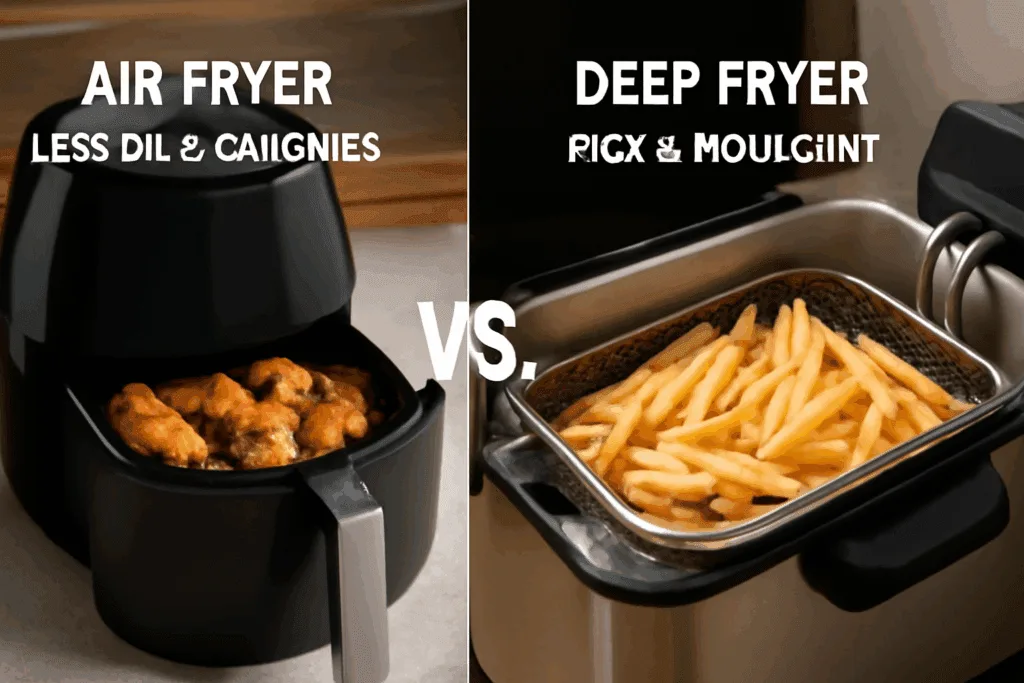
Image source: Web (Bing) / netizensgalaxy.com (Web image (fair-use with source credit))
Air Fryer vs. Toaster Oven
Toaster ovens have been around for decades. They use radiant heat, not convection. Food cooks from the top down, and you often need to rotate trays.
Many modern toaster ovens now include a convection setting. But the fan is usually less powerful than an air fryer's. A dedicated air fryer will outperform a toaster oven on any recipe that depends on crispiness.
The choice comes down to counter space and versatility. A toaster oven can handle toast, broiled fish, and casseroles. An air fryer excels at one thing, though newer oven-style models blur the line.
| Method | Crispiness | Cook Time | Oil Needed | Energy Use |
|---|---|---|---|---|
| Air fryer | High | Fast | Minimal | Low |
| Deep fryer | Very high | Fast | High | Medium |
| Convection oven | Medium | Medium | Minimal | High |
| Toaster oven | Low | Slow | Minimal | Medium |
If you're trying to decide which appliance to buy, think about your daily habits. If you mostly cook frozen snacks and reheat leftovers, an air fryer is hard to beat. If you bake casseroles and roast whole chickens, an oven-style model gives you more flexibility.
What Air Fryers Do Well, and Where They Fall Short
No cooking method is perfect. The air fryer has clear strengths, but it also has quirks that frustrate new owners. Knowing both sides saves you from wasted meals and buyer's regret.
The Real Benefits: Speed, Texture, Energy Savings
The biggest advantage is time. An air fryer preheats in 2 to 3 minutes. A full-size oven takes 10 to 15.
That difference adds up if you cook weeknight dinners or quick lunches.
Texture is the second win. The aggressive airflow creates that crispy exterior that's hard to replicate without deep frying. You get fried-food satisfaction with a fraction of the oil.
Energy efficiency is often overlooked. Heating a small chamber uses far less electricity than heating a 5-cubic-foot oven. For small batches, the air fryer wins on both speed and power draw.
Manufacturer specifications indicate that a typical air fryer uses between 1200 and 1700 watts during operation. In a 20-minute cooking cycle, that's roughly 0.4 to 0.6 kWh. A standard electric oven uses 2000 to 5000 watts just to preheat.
The Honest Drawbacks: Capacity Limits, Learning Curve
The biggest limitation is space. A basket-style air fryer holds maybe 2 to 6 quarts of food. When adjusted for actual airflow needs, you're really cooking about half that.
If you're feeding a family of four, you'll likely cook in batches.
The second issue is the learning curve. Air fryers cook faster and hotter than ovens. Your usual oven times don't transfer directly.
You need to check food earlier, adjust temperatures, and shake baskets. That's why many people have a few disappointing meals before things click.
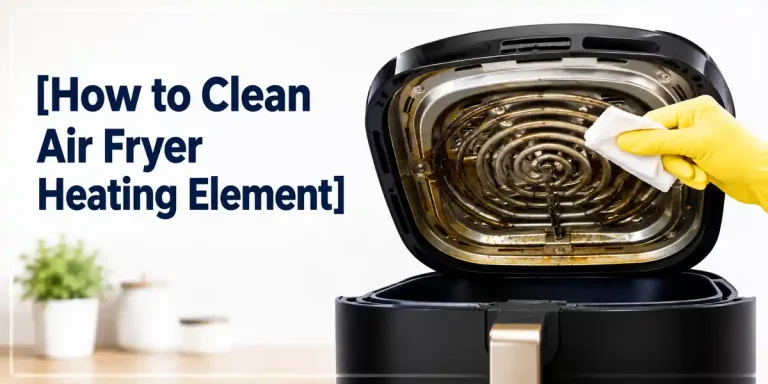
There's also the cleaning factor. The basket, the drawer, and the heating element all need regular attention. Grease can build up on the fan and coil.
We've covered how to tackle a heavily soiled air fryer if you let it go too long.
Common Air Fryer Mistakes That Ruin Results
Most air fryer failures trace back to a handful of repeat errors. Avoid these, and you're already ahead of most new owners.
Overcrowding and Blocked Airflow
This is mistake number one. The average user fills the basket to the brim, assuming more food means more efficiency. It doesn't.
Cramped food steams in its own released moisture. The exterior never gets the dry heat it needs to crisp.
The fix is simple. Cook in smaller batches. Give each piece breathing room.
Yes, it takes longer overall. But the results are dramatically better.
Per manufacturer guidelines, the ideal fill level is around half to two-thirds of the basket capacity. If you're unsure, check your model's manual. It's usually more specific than you'd expect.
Using the Wrong Oil or Spray
Aerosol cooking sprays are convenient, but they can damage the non-stick coating over time. The propellants and additives leave a sticky residue that bonds to the basket. That residue is hard to remove and degrades the coating.
Better options:
- Use a refillable oil sprayer with your own neutral oil.
- Brush oil onto food with a silicone brush.
- Toss food in a bowl with a small amount of oil before adding it to the basket.
Neutral oils like canola, grapeseed, or avocado work well. Avoid extra virgin olive oil for high-heat cooking. It has a low smoke point and can burn, leaving a bitter taste.
Skipping the Shake or Flip
Air fryers have hot spots. The side closest to the heating element cooks faster. Without a mid-cook shake, you get uneven browning: some pieces dark, others pale.
Set a timer for halfway through the cook cycle. Pull the basket, give it a good shake, and slide it back in. For delicate items, use tongs to flip gently.
This one habit improves results more than any other change you can make. It's also why many air fryer recipes include "shake halfway" in the instructions. If you're seeing soggy or uneven results, check out our guide on what causes soggy food in an air fryer for a deeper dive.
Another common frustration is dry chicken breast. The high heat and rapid airflow cook lean meats fast. If you're struggling with that, we've got a targeted guide on keeping chicken juicy in the air fryer.
Expert Tips for Better Results
Once you've mastered the basics, a few nuanced tricks push your results from good to great.
Temperature and Time Cheat Codes for Common Foods
Air fryer cooking times are shorter than oven times. A good rule of thumb is to reduce oven temperature by 25°F and cut time by 20 to 30 percent. Start there, then adjust for your specific model.
Here's a practical reference table:
| Food | Temperature | Time | Notes |
|---|---|---|---|
| Frozen fries | 400°F | 15-20 min | Shake halfway |
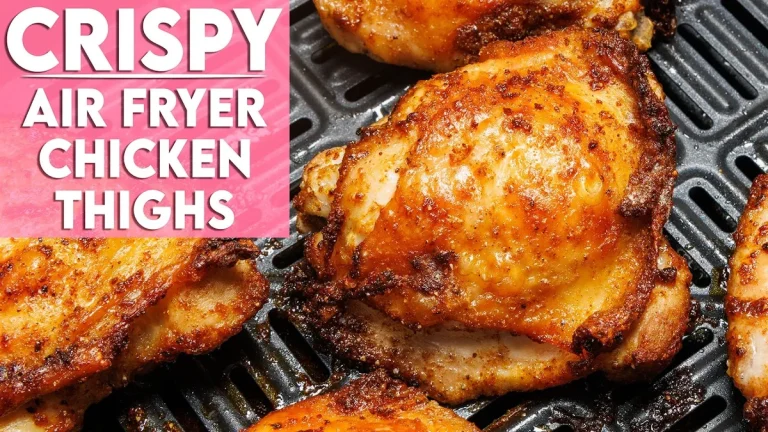
| Chicken thighs | 380°F | 18-22 min | Flip once at halfway |
| Salmon fillet | 390°F | 8-10 min | Check at 8 minutes |
| Roasted vegetables | 375°F | 10-15 min | Toss before and halfway |
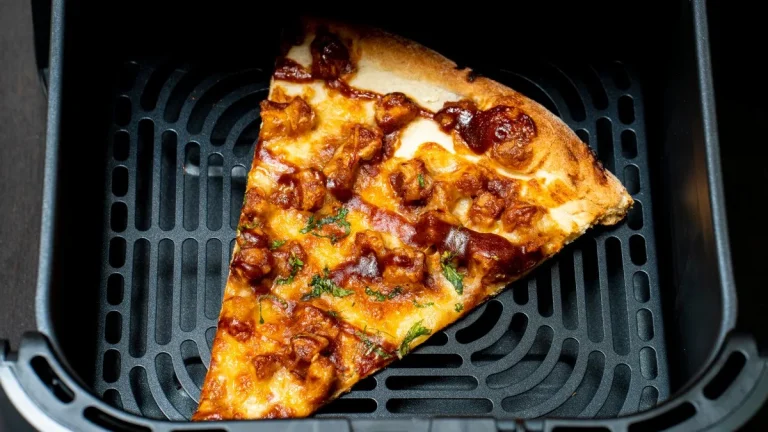
| Reheated pizza | 375°F | 3-4 min | No need to preheat |
For a more detailed breakdown, our air fryer cooking times guide covers a wider range of foods.
How to Get the Crispiest Texture Every Time
The crispiest results come from dry surfaces. Pat your food dry with paper towels before adding oil. The less surface moisture, the faster the Maillard reaction kicks in and the crisper the exterior gets.
A light oil coating also helps. That fine layer of fat conducts heat and helps brown evenly. Just don't overdo it.
A thin mist or a toss with a teaspoon of oil per serving is plenty.
For breaded items, let the coating rest for 5 minutes before cooking. That gives the crumbs time to adhere and dry slightly, preventing the breading from sliding off.
Cooking for One vs. Cooking for a Family
For singles and couples, a basket-style air fryer is ideal. The small chamber efficiently cooks one or two servings. For families, an oven-style model with multiple racks lets you batch cook.
If you're cooking for a family with a basket model, plan for staggered batches. Reheat the first batch in the oven on warm while the second batch cooks. Or buy a larger unit, but remember that capacity claims are always bigger than usable space.
Maintenance and Long-Term Care
Your air fryer is an appliance. Like any appliance, it lasts longer and works better when you care for it properly.
Cleaning Your Air Fryer the Right Way
Clean after every use. That's the easiest rule to remember. Residue from oil and food hardens when it cools, making it harder to remove later.
The basket and drawer are usually dishwasher safe. Check your manual. If not, wash them by hand in warm, soapy water.
Avoid abrasive scrubbers that scratch the non-stick coating.
The heating element and fan need regular attention too. That's a spot people forget. If you haven't cleaned it in a while, here's a step-by-step guide for cleaning the heating element.
Maintaining the Non-Stick Coating
The non-stick coating is the most vulnerable part. It scratches and flakes if treated roughly. Rust on the metal underneath can then occur.
To protect it:
- Use only non-metal utensils.
- Avoid aerosol sprays.
- Hand wash gently when possible.
- Let the basket cool before cleaning.
The fan and heating coil also benefit from periodic cleaning to remove grease buildup. For the full routine, including how often you should be deep cleaning, our comprehensive air fryer cleaning guide has you covered.
When to Replace Your Air Fryer
Most air fryers last 3 to 5 years with regular use. If the non-stick coating peels, if the fan gets loud, or if heating becomes inconsistent, it's time to shop. Also check if the basket is still in good shape.
Replacement baskets are often available, and we've written a guide on finding a compatible replacement basket if you need one.
Safety and Practical Warnings
Air fryers are safe, but they're not risk-free. A few precautions keep your kitchen safe and your appliance running.
Placement and Ventilation
Air fryers blow out hot air from their vents. Placement matters. Keep them 4 to 6 inches away from walls and cabinets.
The hot exhaust can damage nearby surfaces over time.
Don't put anything on top of the air fryer. The vents are there for a reason. Blocking them causes overheating and shorter appliance life.
Cooking Hazards: High-Fat Foods and Smoke
Foods with high fat content, like bacon and sausages, release a lot of oil. That oil drips to the bottom of the chamber. If it pools and gets too hot, it can smoke.
The fix is simple. Check the drawer halfway through cooking and empty any excess liquid. Or cook high-fat foods at a slightly lower temperature to reduce splattering.
Smoke is also a sign of grease buildup. If your air fryer smokes during normal use, it's probably time for a thorough cleaning. Follow our guide on removing grease from the air fryer to fix that.
Certification Marks to Look For
In the United States, look for UL (Underwriters Laboratories) or ETL certification. These marks indicate that the product has undergone safety testing for fire and electrical risk.
For food safety, make sure you're cooking meats to the proper internal temperature. Use a meat thermometer. The USDA recommends a minimum internal temperature of 165°F for poultry and 145°F for whole cuts of beef, pork, and fish.
While the air fryer doesn't pose the same burn risk as a deep fryer full of hot oil, the appliance itself and the food inside get very hot. Always use oven mitts when handling the drawer or basket right after cooking.
Frequently Asked Questions
Is an air fryer really a convection oven?
Yes. An air fryer is a compact convection oven. It uses a heating element and a high-speed fan to circulate hot air around food.
The main differences are the smaller chamber, the intense airflow, and the basket design that maximizes surface exposure.
How much oil do I actually need in an air fryer?
Most recipes use less than a tablespoon. A light mist or toss with oil is usually plenty to promote browning. You don't need to coat food like you would for deep frying.
The hot air does most of the work.
Why do my fries come out soggy in the air fryer?
Soggy fries usually come from overcrowding or too much oil. Cramped fries release steam instead of crisping. Reduce the batch size, pat the fries dry before cooking, and shake the basket halfway through the cycle.
For a deeper troubleshooting guide, we've covered the soggy food problem in detail.
Can I put paper towels or parchment paper in an air fryer?
Yes, with care. Use parchment paper specifically designed for air fryers, with perforated holes to allow airflow. Never cover the entire basket bottom.
Paper can get blown into the heating element and is a fire risk.
Do I need to preheat my air fryer every time?
Not always. Many modern models cook fine from a cold start. But a 2 to 3 minute preheat produces more consistent results, especially for frozen foods.
Check your manual for the manufacturer's recommendation. We've written a full guide on this exact question if you want more nuance.
How often should I deep clean my air fryer?
Wipe down the basket and drawer after every use. Deep clean the heating element and fan every 2 to 4 weeks, depending on usage. Grease buildup and odors are signs you should clean sooner.
For the full routine, including how often you should be deep cleaning, our comprehensive air fryer cleaning guide has you covered.
How to Get the Crispiest Texture Every Time
The crispiest results come from dry surfaces. Pat your food dry with paper towels before adding oil. The less surface moisture, the faster the Maillard reaction kicks in and the crisper the exterior gets.
A light oil coating also helps. That fine layer of fat conducts heat and helps brown evenly. Just don't overdo it.
A thin mist or a toss with a teaspoon of oil per serving is plenty.
For breaded items, let the coating rest for 5 minutes before cooking. That gives the crumbs time to adhere, preventing the breading from sliding off.
Cooking for One vs. Cooking for a Family
For singles and couples, a basket-style air fryer is ideal. The small chamber efficiently cooks one or two servings. For families, an oven-style model with multiple racks lets you batch cook.
If you're cooking for a family with a basket model, plan for staggered batches. Reheat the first batch in the oven on warm while the second batch cooks. Or buy a larger unit, but remember that capacity claims are always bigger than usable space.
Maintenance and Long-Term Care
Your air fryer is an appliance. Like any appliance, it lasts longer when you care for it properly.
Cleaning Your Air Fryer the Right Way
Clean after every use. That's the easiest rule to remember. Residue from oil and food hardens when it cools, making it harder to remove later.
The basket and drawer are usually dishwasher safe. Check your manual. If not, wash them by hand in warm, soapy water.
Avoid abrasive scrubbers that scratch the non-stick coating.
The heating element and fan need regular attention too. That's a spot people forget. If you haven't cleaned it in a while, here's a step-by-step guide for cleaning the heating element.
Maintaining the Non-Stick Coating
The non-stick coating is the most vulnerable part. It scratches and flakes if treated roughly. To protect it, use only non-metal utensils and avoid aerosol sprays.
Hand wash gently when possible.
When to Replace Your Air Fryer
Most air fryers last 3 to 5 years with regular use. If the non-stick coating peels or the fan gets loud, it's time to shop. Replacement baskets are often available, and we've written a guide on finding a compatible replacement basket if you need one.
Safety and Practical Warnings
Air fryers are safe, but they're not risk-free. A few precautions keep your kitchen safe and your appliance running.
Placement and Ventilation
Air fryers blow out hot air from their vents. Keep them 4 to 6 inches away from walls and cabinets. Don't put anything on top of the appliance.
Blocked vents cause overheating.
Cooking Hazards: High-Fat Foods and Smoke
High-fat foods like bacon release oil that can pool and smoke. Check the drawer halfway through cooking and empty any excess liquid. Smoke is also a sign of grease buildup.
If that happens, it's time for a thorough clean.
Certification Marks to Look For
Look for UL or ETL certification in the US. Those marks indicate the product passed safety testing. Always use oven mitts when handling the basket or drawer right after cooking.
Frequently Asked Questions
Is an air fryer really a convection oven?
Yes. An air fryer is a compact convection oven. It uses a heating element and a high-speed fan to circulate hot air around food.
The main differences are the smaller chamber, the intense airflow, and the basket design.
How much oil do I actually need in an air fryer?
Most recipes use less than a tablespoon. A light mist or toss with oil is usually plenty. The hot air does most of the work.
Why do my fries come out soggy in the air fryer?
Soggy fries usually come from overcrowding or too much oil. Reduce the batch size, pat the fries dry, and shake the basket halfway through. For a deeper dive, we've covered the soggy food problem in detail.
Can I put parchment paper in an air fryer?
Yes, with care. Use perforated parchment designed for air fryers. Never cover the entire basket bottom, and keep paper away from the heating element.
Do I need to preheat my air fryer every time?
Not always. Many modern models cook fine from a cold start. But a 2 to 3 minute preheat produces more consistent results, especially for frozen foods.
We've written a full guide on this exact question.
How often should I deep clean my air fryer?
Wipe down the basket after every use. Deep clean the heating element every 2 to 4 weeks, depending on usage. Oil buildup is often a sign you should clean sooner.
For the full routine, including how often you should be deep cleaning, our comprehensive air fryer cleaning guide has you covered.
Quick Verdict: Is an Air Fryer Worth It for You?
Still on the fence? Here's the decision framework in plain terms.
Who Should Buy One
You'll love an air fryer if you cook for one or two people. You'll also love it if you rely on frozen foods, crave crispy textures, or want to cut oil from your diet. It preheats fast, cooks quickly, and uses less energy than a full oven.
Who Should Skip It
Skip it if you regularly cook for a family of five or host big dinners. The capacity limits will frustrate you. You might also skip it if you hate cleaning small parts or already own a quality convection toaster oven.
Final Decision Guide
| If you… | Then… |
|---|---|
| Cook for 1-2 people | Buy a basket-style model |
| Cook for 4+ people | Buy an oven-style model |
| Love crispy frozen snacks | Buy either, basket-style is better |
| Rarely cook at home | Skip it, use your microwave |
| Hate cleaning small parts | Skip it, stick with a sheet pan |
The air fryer is a tool, not a miracle. It does one thing exceptionally well, and it fits certain lifestyles better than others. If your habits match its strengths, it'll earn its counter space quickly.
If not, you'll be back to your oven in two weeks.