Mastering How Do I Cook Hamburgers in the Air Fryer
You've been burned one too many times by a hockey puck that was supposed to be a burger. Or maybe you pulled out a patty that was still cold in the middle while the outside looked charred. If you're asking "how do I cook hamburgers in the air fryer," you already know the answer isn't as simple as "throw it in and set a timer." The air fryer is fast, but it punishes guesswork.
Get the timing, temperature, and patty type right, and you'll have juicy, evenly cooked burgers in under fifteen minutes. Get them wrong, and you'll be ordering takeout.
The good news? The fix isn't complicated. As of 2026, most standard air fryers hit 400°F in about three minutes, and that's exactly where you'll want to cook your patties.
But the exact time depends on whether your meat is frozen or thawed, thin or thick. Manufacturer specifications across leading basket-style models confirm a consistent sweet spot between 8 and 12 minutes. That's the whole game.
Nail that window, and the rest is easy. Let's break it down step by step, so your next air fryer burger actually tastes like a burger.
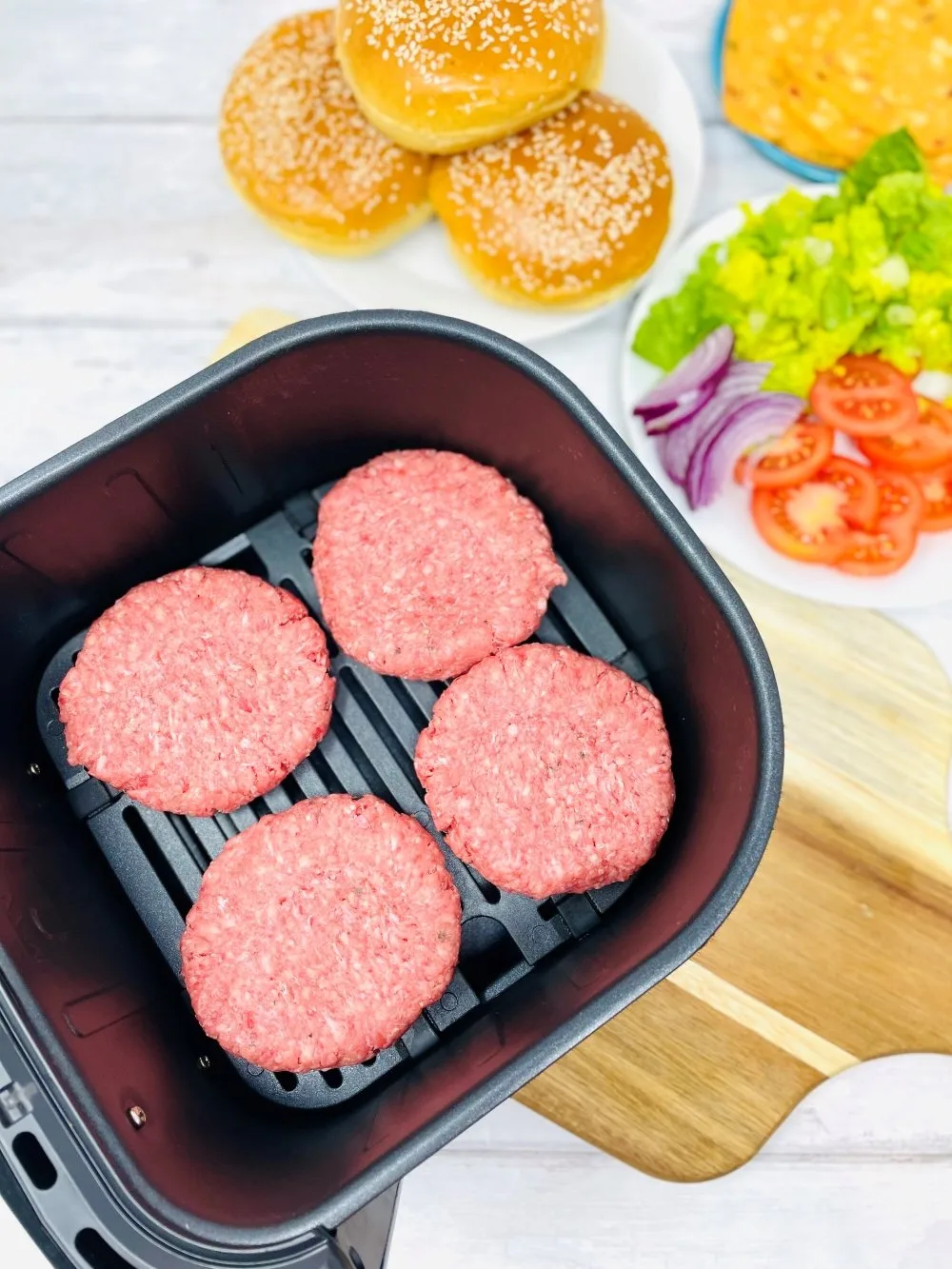
Image source: Web (Bing) / daisiesandpie.co.uk (Web image (fair-use with source credit))
Why Your Air Fryer Burgers Keep Coming Out Wrong
Every "failed" air fryer burger I've seen in our research traces back to one of three mistakes: skipping the preheat, overcrowding the basket, or guessing the doneness.
The Three Sabotage Points (Temp, Timing, and Patty Choice)
- Temperature: If your air fryer isn't hot enough when the patty goes in, the surface won't sear. It steams instead. You get a gray, spongy disc.
- Timing: A generic 10-minute setting might work for a frozen ½-inch patty, but it'll turn a thick fresh patty into a dry brick. There's no one-size-fits-all timer.
- Patty choice: High-fat ground beef (80/20) renders a lot of grease. That's fine, but too much fat can cause smoke. Lean patties (93/7) dry out fast. You have to know your meat.
What This Guide Covers (And What It Won't)
This guide focuses on the decision tree behind a perfect air fryer burger. We'll walk through fresh versus frozen, thin versus thick, and exactly how to adjust for each. You'll learn the single-layer rule, the right way to flip, and how to toast buns without turning them into crackers.
What we won't do is make you buy special gadgets. A basic air fryer, a pair of tongs, and an instant-read thermometer are all you need.
If you've ever wondered why your fries come out soggy or your routine upkeep is lacking, that's a separate problem. Here, we're laser-focused on burgers.
The Quick Answer: Know Your Patty Before You Cook
The "one magic number" people search for doesn't exist. Instead, you need to answer two questions: Is it frozen or fresh? How thick is it?
Once you know those, the rest falls into place.
For a fresh, ½-inch patty, cook at 400°F for 8 to 10 minutes, flipping halfway. For a frozen patty of the same thickness, add 3 to 4 minutes. For a thick pub-style patty (¾ to 1 inch), you'll need a longer cook at a slightly lower heat.
The Visual Test: What "Done" Actually Looks Like
A finished burger shouldn't look pale. It should have a deep golden-brown crust on both sides. When you press the center, it should spring back slightly, not feel mushy.
If you're even unsure, use a thermometer. 160°F is your target for ground beef, per USDA guidelines. That's non-negotiable.
Frozen vs. Fresh: The Two Paths to a Good Burger
This is the fork in the road that changes everything. Frozen patties need more time and a gentler start. Fresh patties cook faster and hold juice better.
How to Cook Frozen Patties (Without a Burnt Outside, Raw Inside)
Preheat your air fryer to 400°F. Place the frozen patties in the basket in a single layer. Do not stack.
Do not press down. For the first 4 minutes, leave them alone. Then flip.
You'll notice the outside is starting to brown. Lower the temperature to 360°F and cook for another 5 to 7 minutes. This gradual approach lets the inside thaw and cook without the surface burning.
The key is to avoid the "sear the outside, raw the inside" trap. By dropping the temp after the initial sear, you give the heat time to penetrate.
If you routinely deal with air fryer food turning out soggy, this two-temperature trick works for many frozen foods, not just burgers.
How to Cook Fresh Patties (For That Juicy, Grilled Flavor)
Fresh patties are simpler. Preheat to 400°F. Season generously with salt and pepper.
Lightly oil the outside of the patty to help browning. Place in the basket, single layer. Cook for 4 minutes, flip, then cook for another 4 to 5 minutes.
Check internal temp. If it hits 160°F, you're done. Let it rest for 2 minutes before serving.
The Visual Test: What "Done" Actually Looks Like
The crust should be crispy, not burnt. The juices should run clear when you poke it, but that's not a reliable safety indicator. Use a thermometer.
Always.
If skipping the preheat is a habit you've developed, read up on why preheating matters before you try this method.
The Two Patty Thickness Branches
Not all burgers are created equal. A fast-food-style thin patty cooks in minutes. A pub-style thick patty needs more time and a slightly lower temperature.
The ½-Inch Standard Patty (Fast-Food Style)
This is the classic, pre-formed, frozen or fresh patty you find in most grocery stores. It's about a quarter pound. Cook at 400°F for 8 to 10 minutes total.
Flip once. If you like cheese, add it during the last 30 seconds so it melts without turning into a puddle.
These patties dry out easily. Don't overcook them. If you're using a 93/7 lean blend, consider coating it with a little olive oil spray.
The ¾ to 1-Inch Pub-Style Patty
This is the hand-pressed, thick burger you'd order at a gastropub. It's usually 6 to 8 ounces. For this one, drop the temperature to 375°F.
Cook for 6 minutes, flip, then continue for 6 to 8 minutes more. The lower heat gives the center time to cook without destroying the crust.
Use a meat thermometer here. Thick patties are where most people miss the mark. A typical failure looks like this: perfect brown crust, raw pink middle, frustrated cook.
Adjusting Heat and Time for Each
| Patty Type | Thickness | Temp | Total Time | Flip |
|---|---|---|---|---|
| Thin (fast-food style) | ½ inch | 400°F | 8-10 min | Once at halfway |
| Thick (pub-style) | ¾-1 inch | 375°F | 12-16 min | Once at 6 min |
| Frozen thin | ½ inch | 400°F then 360°F | 12-14 min | At 4 min, then at 8 min |
Extra time in the basket isn't a sign of toughness. It's physics. Thicker meat needs more heat transfer.
If you're often confused about air fryer cooking times for other foods, the same principle applies: thickness always matters.
Sizing Up Your Air Fryer Basket
The biggest mistake people make isn't the temperature. It's overcrowding. Air fryers work by circulating hot air rapidly.
If patties overlap or touch, the air can't reach all surfaces. You get uneven cooking, and the trapped moisture makes everything soggy.
Single-Layer Rule: Why Overcrowding Ruins Everything
You must leave space between each patty. At least half an inch. This isn't a suggestion.
It's how the appliance works. If your basket fits two patties comfortably, don't try to squeeze in three. You'll end up with three bad burgers instead of two good ones.
If you're cooking for a crowd, cook in batches. Keep the first batch warm in a low oven. It's better than sacrificing texture for speed.
How Many Patties Can You Actually Cook at Once?
This depends on basket size:
- 2-quart / 4-quart basket: 2 small thin patties max
- 5-quart basket: 3 thin patties or 2 thick patties
- 6+ quart basket: 4 thin patties or 3 thick patties
Always eyeball it. If you can't see air gaps between patties, you're too crowded.
Does Basket Size Change Cooking Time?
No. The physical size of the basket doesn't change the heat output. What changes cooking time is airflow.
A packed basket reduces airflow, so you end up extending the time. But that's a band-aid, not a fix. The real solution is fewer patties per batch.
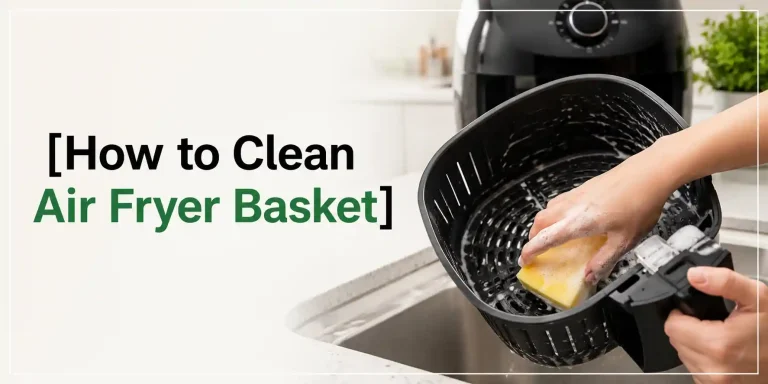
If your basket is old, scratched, or the coating is peeling, that can also affect performance. Check out whether replacement air fryer baskets are worth it. Sometimes a clean, non-stick surface makes a world of difference.
Now that you know the size constraints, let's get into the actual workflow. The next section covers preheating, seasoning, flipping, and cheese timing. That's where the real magic happens.
Step-by-Step Workflow: From Fridge to Bun
Now that you know your patty type and basket limits, it's time to execute. The process is simple, but the order matters. Follow this sequence every time and you'll get consistent results.
Preheating Your Air Fryer: Do It, Don't Skip It
Preheat at 400°F for 3 to 5 minutes. This isn't optional. A cold air fryer starts cooking before it reaches temperature, which extends total time and messes with your crust formation.
Most modern units have a preheat button. If yours doesn't, just run it empty at the target temp for a few minutes before adding patties.
If you are still on the fence about whether preheating is worth the extra electricity, the evidence says yes for anything you want crispy or charred.
Seasoning the Patty: Keep It Simple
Salt and pepper are enough. Add garlic powder or onion powder if you like. Don't go crazy with wet marinades.
Excess moisture steams the patty and prevents browning. Season right before cooking, not 30 minutes ahead. Salt draws out moisture over time, which can leave you with a soggy surface.
For leaner blends, a light coat of avocado or canola oil spray on both sides helps with crust development. This is especially important for ground turkey or chicken patties that lack natural fat.
Placement and Spacing for Proper Airflow
Place patties in a single layer. Leave at least half an inch between them. Do not stack.
Do not let them touch. If your basket only fits one patty comfortably, cook one at a time. Crowding is the number one cause of uneven cooking in any air fryer.
If you're cooking a large batch for dinner, cook in batches and keep finished patties warm in a 200°F oven. It's better than forcing two batches into one crowded basket.
The Flip: When and How Often
Flip once. That's it. Flip at the halfway mark.
For thinner patties around 8 minutes total, flip at 4 minutes. For thicker patties around 14 minutes, flip at 7. Use tongs, not a fork.
Piercing the meat releases juices and dries out the burger.
Some air fryer owners swear by flipping twice for thicker patties. If you're cooking a 1-inch pub-style burger, a second flip at the 10-minute mark can help even out browning. But one flip is the default for standard patties.
Adding Cheese at the Right Moment
Add cheese slices during the final 30 to 60 seconds of cooking. This gives the cheese time to melt without it sliding off or turning into a puddle. Turn the air fryer off after adding cheese and let the residual heat do the work.
This is gentler than keeping the fan running, which can blow the cheese around.
If you're using shredded cheese, a minute at full heat works fine. That's enough to melt the shreds.
Patties That Won't Stick: Preparation Hacks
A burger that sticks is a burger that falls apart. You yank a spatula under it, the crust tears, and half the patty stays in the basket. Annoying, right?
It's also avoidable.
Light Oiling: The Right Way vs. The Greasy Mess
Spray the patties, not the basket. This keeps the fat where it's needed and prevents a messy residue buildup. A light coat on both sides is enough.
Heavy oil causes smoke and creates a slippery, greasy mess inside the basket.
If you skip the oil entirely, you risk sticking. Even non-stick baskets eventually lose their coating as they wear. A little oil is cheap insurance.
Perforated Parchment Liners: Yay or Nay?
Perforated parchment liners work well. They let air and grease pass through while keeping the patty from touching the metal surface directly. Make sure the liner is perforated.
Solid parchment blocks airflow and turns your burger into a steamed disc.
The downside is cost. Liners are single-use and add up. For most home cooks, a light oil spray is enough.
But if you're tired of scrubbing stuck-on bits, liners are worth trying.
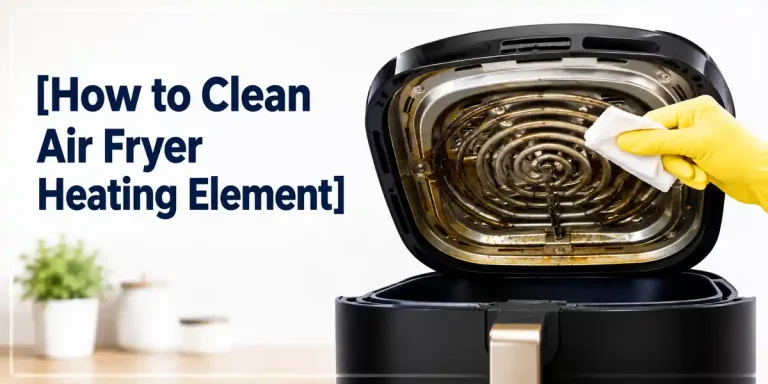
If you do use liners, remember to check your air fryer heating element periodically. Grease and oil that bypass the liner can collect on the element and cause smoking.
Letting the Basket Do the Work
Don't shake the basket mid-cook like you would for fries. Burgers are delicate when partially cooked. They can crack or break.
Just leave them alone until the flip. Airflow does the browning. You don't need to promote it.
The Usual Suspects: Common Mistakes and How to Fix Them
In our research, most failed burgers come down to a handful of recurring errors. Here's how to spot and fix each one before it wrecks dinner.
The Smoke Alarm Scenario (High-Fat Meat in a Hot Basket)
Fat drips from the patty and hits the hot heating element. That smoke fills your kitchen and sets off the alarm. It's startling, but it's fixable.
Use 85/15 or 80/20 ground beef and trim visible excess fat. Cook at 400°F but expect some smoke. If it's excessive, lower the temp to 375°F and extend the cooking time slightly.
Some air fryers have a drip tray that sits above the heating element. Empty it if it looks full. A dirty air fryer will smoke more than a clean one.
Grease accumulation is the real culprit.
The Hockey Puck (Overcooking at High Temp)
A dry, hard, gray burger means the interior hit 170°F or higher. Ground beef loses moisture fast past 160°F. To fix this, reduce cooking time by 2 to 3 minutes and check the temperature early.
Pull them at 158°F and let carryover heat finish the job. Resting will naturally bring it to 160°F.
Thin patties are the most at risk. At 400°F, they go from perfect to ruined in about 90 seconds. Set a timer, don't rely on intuition.
For a deeper dive on dry meat issues, this guide on dry chicken explains the same moisture-loss principle.
The Raw Center (Thick Frozen Patties)
This is the worst outcome. A beautiful brown crust with a cold, pink interior. It happens when the heat is too high and the patty is too thick.
The surface browns before the inside has time to thaw and cook. The fix is the two-temperature method we covered earlier. Start hot to get the crust, drop to 360°F to finish.
Another trick is to partially thaw frozen patties in the microwave for 2 minutes before air frying. This reduces total cook time and gives you more control.
The Soggy Bun (Skipping the Toast Step)
A warm, soft burger bun collapses under the juices. You end up with a mess of soggy bread and falling ingredients. Toasting the bun creates a barrier.
A toasted surface absorbs less moisture. We'll cover the exact toasting method in the next section, but never skip it for a fresh, juicy burger.
Getting the Inside Right: Temperature and Safety
This is the part where you can't be loosey-goosey. Ground beef carries bacteria that whole cuts don't have on their interior surfaces. Those bacteria are mixed throughout the meat.
Cooking to temperature is the only reliable way to make it safe.
160°F: The Number You Need to Know
The USDA sets 160°F as the safe minimum internal temperature for ground beef. Poultry burgers, meaning ground turkey or chicken, need 165°F. This isn't negotiable.
It's a food safety standard, not a suggestion.
If you like your burgers medium-rare, the air fryer isn't the place for that. It's a hot, dry cooking environment that gets outside done way faster than the middle. Cooking to 160°F is both safe and achievable without drying out your patty if you manage moisture correctly.
Instant-Read Thermometer: Your Best Friend in the Kitchen
You need a thermometer. A decent instant-read model costs between $10 and $25. It's the difference between guessing and knowing.
Insert the probe through the side of the patty, not the top. The center is the coldest part. Make sure the probe doesn't poke through the other side.
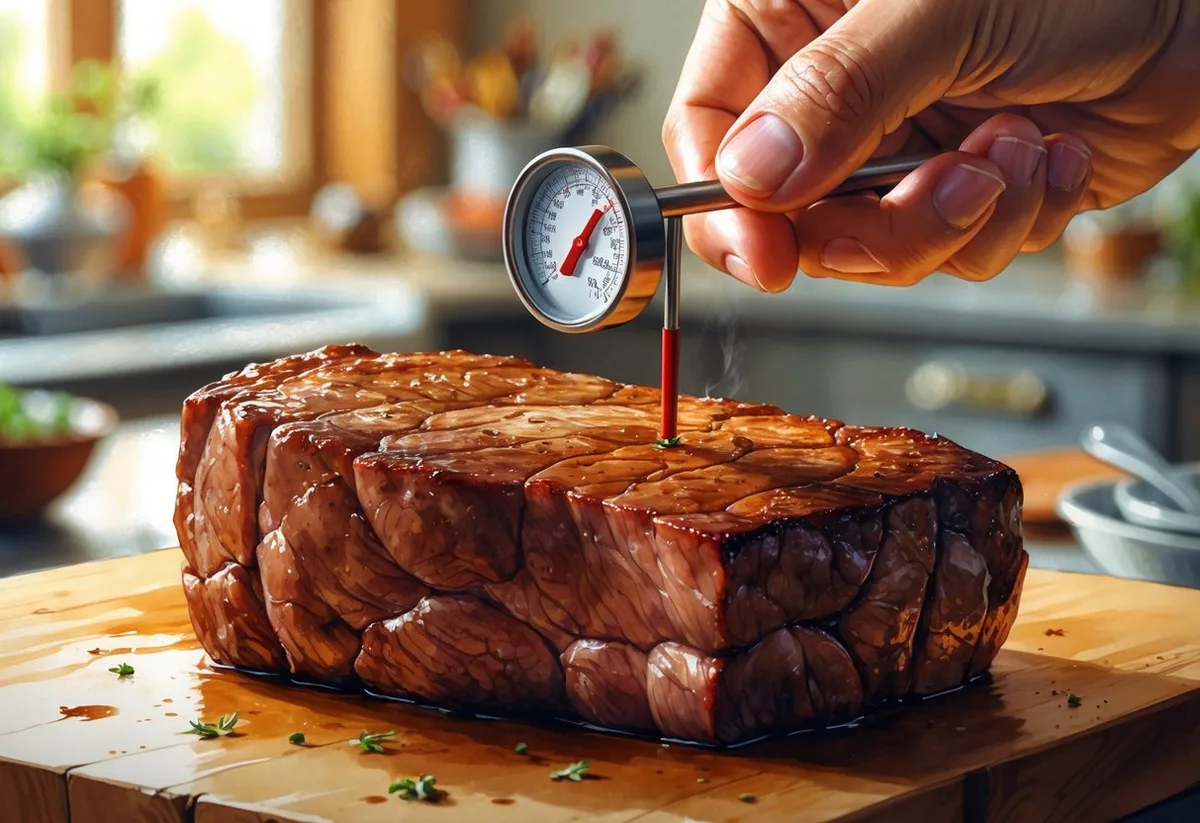
Image source: Web (Bing) / snapklik.com (Web image (fair-use with source credit))
A good thermometer reads within 2 to 3 seconds. That means you're not holding the patty out of the hot air for long. Quick check, back in the basket.
Resting the Patty: Two Minutes That Matter
Pull the burger at 158°F. Let it rest for 2 minutes on a clean plate. Carryover heat raises the temperature the remaining 2 degrees.
Resting also lets the juices redistribute throughout the meat. Cut a patty immediately and the juices run out onto your plate. Wait a couple of minutes and they stay in the burger.
This rest is the secret to a juicy air fryer burger. It takes a little patience, but the payoff is huge.
Toasting the Buns and Reheating Leftovers
A burger bun is bread. Bread in the air fryer toasts fast. Like, 90 seconds fast.
Walk away too long and you'll have crispy charcoal. We've all been there.
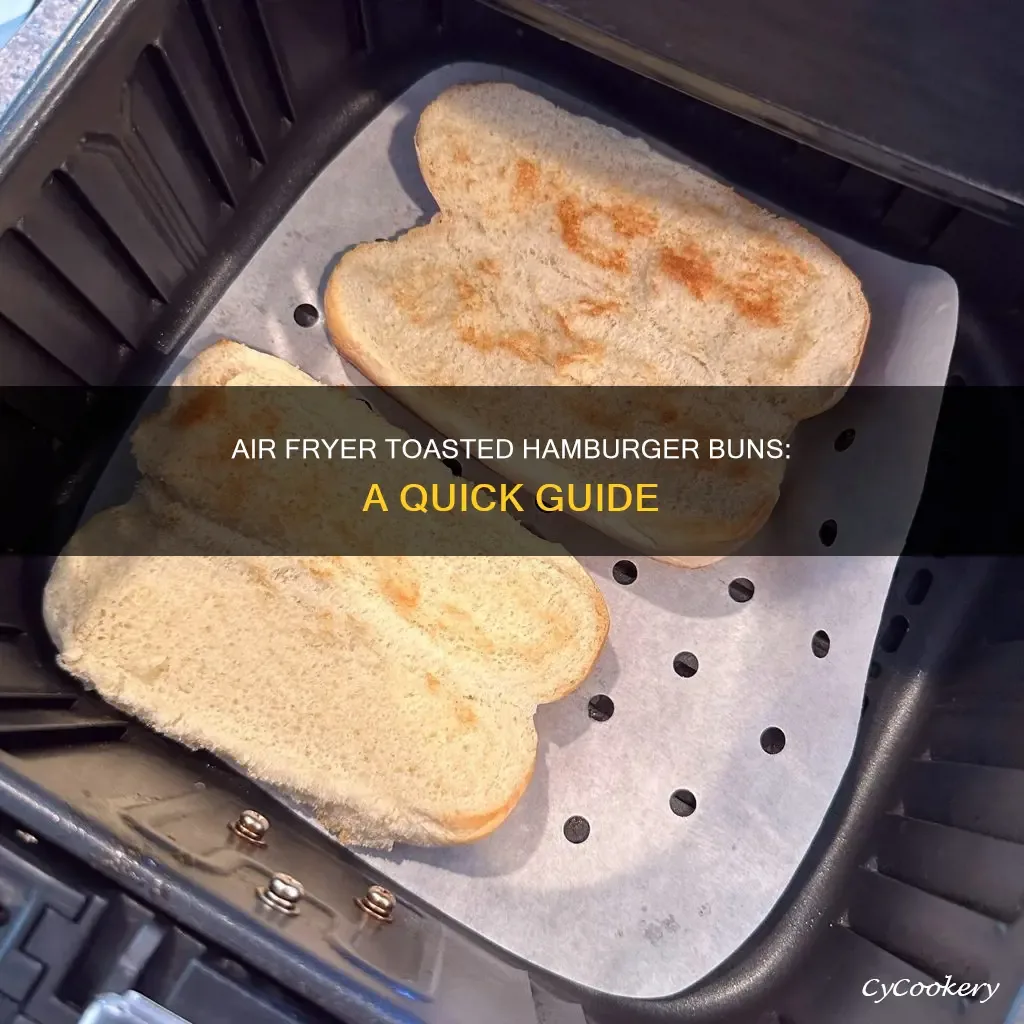
Image source: Web (Bing) / cycookery.com (Web image (fair-use with source credit))
The 350°F Bun Toast (Don't Skip This)
Toast buns at 350°F for 2 to 3 minutes. Place them cut-side up in the basket. No flipping needed.
You want a golden-brown edge and a softened interior. Butter the cut sides first for extra flavor and a better crust.
If your buns are fresh and soft, they need less time. If they're a little stale, they need a bit more. Check at the 2-minute mark.
The difference between toasted and burnt is a matter of seconds.
The toasted bun works as a moisture barrier. It keeps the patty juices from soaking through and making the bread soggy on the bottom.
Reheating Cooked Patties Without Drying Them Out
Reheating a leftover patty is tricky. The air fryer is amazing at making things crispy, but that's exactly what you don't want when reheating a burger. You want it juicy.
Set the air fryer to 300°F. Reheat for 2 to 3 minutes, just until warm. This is short enough to avoid drying out the meat but long enough to bring it back to serving temperature.
Don't use high heat. That's how you get a puck.
Storing and Repurposing Extra Patties
Cooked patties last 3 to 4 days in the fridge in an airtight container. They freeze well too. Wrap each patty individually in foil or plastic wrap and store in a freezer bag.
Thaw overnight in the fridge before reheating.
Leftover patties are great crumbled into chili or pasta sauce. Just chop them up and heat through. This is an easy way to stretch leftovers into another meal without eating burgers three nights in a row.
FAQs: Quick Hits from Real Air Fryer Owners
Can I Cook Turkey Burgers the Same Way?
Yes, with one big change. Ground turkey needs 165°F, not 160°F. The cooking time is similar, but turkey dries out faster.
Use a 93/7 lean blend and add a light oil spray to both sides before cooking.
Do I Need to Add Oil to the Basket?
No. Oil the patties, not the basket. A dry basket with oiled patties gives you the best browning without creating a sticky residue.
If your basket is old or scratched, a thin oil coat on the basket itself helps prevent sticking.
Why Did My Air Fryer Smoke So Much?
Fat dripped onto the heating element. That's the usual culprit. Use a lower-fat ground beef blend like 85/15, or trim excess fat before cooking.
Also check that your drip tray and heating element are clean. Built-up grease smokes at lower temperatures.
How Do I Get a Crust on the Patty?
Pat the patties dry before seasoning. Moisture is the enemy of crust. Season with salt and pepper, then add a light oil spray.
Cook at 400°F and don't flip too early. The first side needs at least 4 full minutes to develop a good sear.
Final Decision Guide: Picking Your Best Route
By now you have everything you need. Here's the shortcut version for when you're staring at raw meat and a hungry family.
The Weeknight Quick-Fire Method
Fresh, thin patties at 400°F for 8 to 10 minutes. Flip once. Add cheese at the 8-minute mark.
Toast buns at 350°F for 2 minutes. Done in under 15 minutes.
This is your default for busy nights when you want a burger without firing up the grill or waiting for a skillet to heat.
The "I Forgot to Thaw" Method
Frozen patties need the two-temperature approach. Start at 400°F for 4 minutes. Drop to 360°F for another 5 to 7 minutes.
Check internal temp early. Thick frozen patties need closer to 14 minutes total.
This method works for any frozen meat in the air fryer. Same principle applies to frozen chicken sandwiches.
The "I Want It Juicy" Method
Start with an 80/20 or 85/15 ground beef blend. Don't overseason. Use the two-temperature trick even for fresh patties.
Sear at 400°F for 2 minutes per side, then drop to 350°F to finish. Pull at 158°F and rest for 2 minutes.
This gives you the best of both worlds: a good crust and a juicy interior.
Air fryer burgers aren't complicated once you understand the variables. Know your patty. Mind your basket.
Trust your thermometer. That's the whole game.